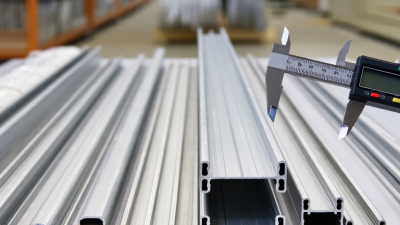
Aluminum Extrusion is central to products that must balance strength, weight, and design flexibility. It shapes window frames, vehicle components, solar-panel rails, and heat sinks. For global buyers, choosing a manufacturer involves more than comparing quoted prices. Die capability, alloy control, dimensional consistency, finishing options, and delivery reliability all affect the finished part.
Market figures help explain the sector’s reach, but they need context. Grand View Research estimated the global aluminum extrusion market at USD 89.3 billion in 2023, with continued growth projected through 2030. Its estimate depends on the report’s market definitions and assumptions. The International Aluminium Institute’s production statistics also show the scale of the wider aluminum industry, though primary aluminum output is not the same as extrusion demand. That distinction matters.
This guide compares manufacturers through practical questions: Can they support custom profiles and repeat production? Do they document inspection procedures and material traceability? Can they provide samples, finish specifications, and realistic lead times? A polished website is not proof of process control. Buyers should verify claims with drawings, test records, references, and clear acceptance criteria. Some comparisons remain imperfect: companies disclose different levels of production and quality data, making direct rankings difficult. Treat any shortlist as a starting point, then match each supplier’s capabilities to your application, volume, and delivery needs.
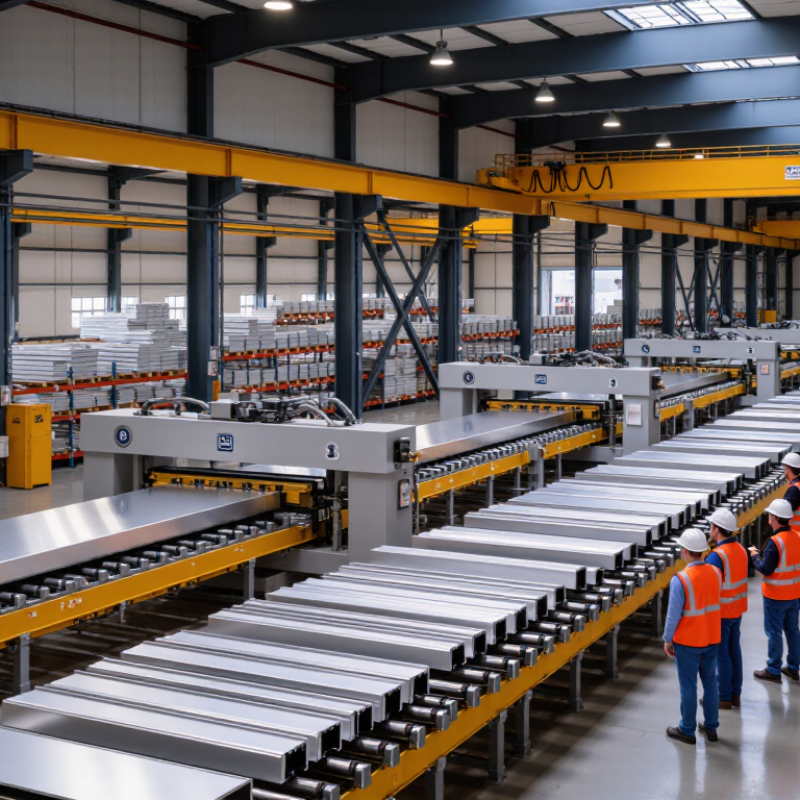
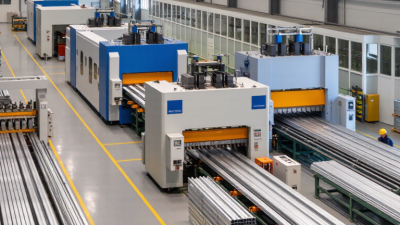
Aluminum extrusion manufacturers turn aluminum billets into long profiles with a consistent cross-section. They heat each billet, then press it through a shaped steel die. The resulting profile may form a window frame, machine rail, heat sink, or structural channel. Die design affects wall thickness, corner sharpness, and how easily the profile can be produced. Small details matter.
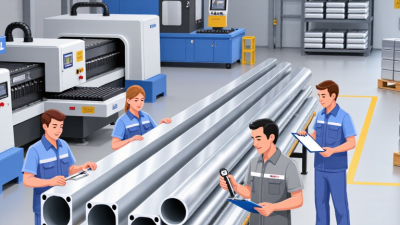
Manufacturers typically review drawings, recommend suitable alloys and tempers, and assess whether a design can be extruded reliably. After pressing, profiles may be cooled, stretched to improve straightness, cut to length, and heat-treated. Some suppliers also provide drilling, machining, finishing, or assembly. Quality checks can include measuring dimensions, inspecting surfaces, and verifying mechanical properties against agreed specifications. Even a careful drawing can miss a real installation constraint, so practical feedback early in development helps.
Tips: Share the intended use, load conditions, dimensions, finish, and annual quantity when requesting a quote. Ask which tolerances are realistic for the profile and where measurement points will be taken. A sample extrusion can reveal fit issues before a full production run. Don’t assume every feature is easy to press; a small design adjustment may reduce scrap and delays.
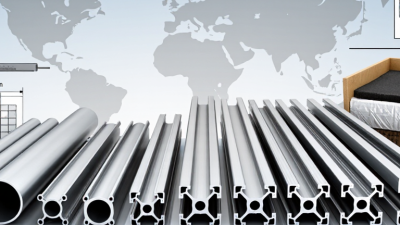
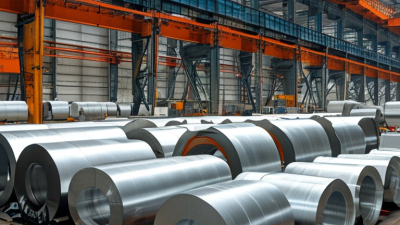
An aluminum extrusion starts as a solid billet, warmed until it can flow without melting. A hydraulic press pushes it through a shaped steel die. The emerging profile may have simple channels or several hollow sections. Small changes in wall thickness can affect strength, weight, and production consistency. That matters.
After extrusion, the hot profile is cooled, stretched to reduce bowing, and cut to length. Heat treatment can improve strength, while anodizing or powder coating may add surface protection. Each step needs control: uneven cooling, for example, can leave a long section slightly twisted. It may look minor on a short sample. On a four-meter frame, the mismatch becomes obvious.
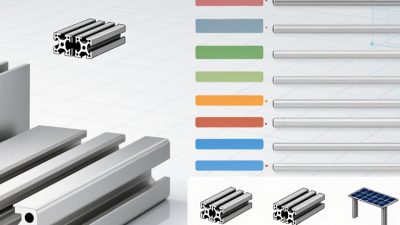
Extruded parts appear in window frames, solar-panel rails, machine guards, and vehicle structures. Their shape can combine several functions, such as a mounting channel and a stiffening rib, in one piece. This can reduce assembly work, but extrusion is not automatically the cheapest choice. Custom dies have upfront costs, and a profile designed only for appearance may be difficult to produce consistently. Buyers should compare drawings, tolerances, alloy requirements, and finish samples before approving a production run. Even then, a first batch can reveal details the drawing missed.
| Topic | How It Works or Typical Options | Common Uses | What Global Buyers Should Check |
|---|---|---|---|
| Billet preparation | An aluminum alloy billet is cut to length and heated until it is suitable for extrusion. The exact processing conditions depend on the alloy, billet size, and equipment. | Preparation for profiles used in construction, transportation, machinery, and consumer products. | Confirm the specified alloy, material traceability, and applicable inspection documents. |
| Die design and extrusion | A press forces the heated billet through a shaped die, producing a continuous profile with the die's cross-section. Hollow profiles may use specialized dies and tooling. | Frames, rails, channels, tubes, heat-sink profiles, and custom sections. | Review profile drawings, tolerances, wall thickness, dimensional limits, and die ownership or storage terms. |
| Cooling and straightening | The extruded profile is cooled and may be stretched or straightened to improve alignment and relieve residual stress. | Long, straight components for window systems, structural assemblies, and equipment frames. | Specify straightness, twist, bow, cut length, and the inspection method required. |
| Heat treatment and temper | Some alloys are heat-treated and aged to achieve a specified temper. Common extrusion alloys include 6063, 6061, 6005A, and 6082; available properties depend on alloy and temper. | 6063 is widely used for architectural and decorative profiles; 6061, 6005A, and 6082 are used where higher strength may be required. | State the alloy and temper on the purchase specification, and verify mechanical-property requirements against the applicable standard. |
| Cutting and machining | Profiles can be cut to length and, when required, drilled, milled, tapped, punched, or assembled into components. | Machine frames, brackets, enclosures, modular systems, and finished subassemblies. | Clarify cut-length tolerances, hole locations, burr limits, machining capability, and packaging for finished parts. |
| Surface finishing | Common options include mill finish, anodizing, and powder coating. Finish choice affects appearance, surface protection, and maintenance needs. | Building facades, window and door frames, furniture, display systems, and equipment housings. | Define finish type, color, gloss or appearance requirements, coating or anodizing specification, and sample-approval procedure. |
| Quality and compliance | Quality control may include dimensional checks, visual inspection, mechanical testing, and material certification, according to the agreed specification and applicable standards. | All sectors requiring consistent fit, performance, and documented material properties. | Agree on standards, inspection plans, certificates, sampling frequency, nonconformance handling, and any required third-party inspection. |
| Supplier evaluation | Compare suppliers by their ability to produce the required profile, finish, tolerances, volume, and documentation. Capabilities vary by facility and project. | Both standard profiles and custom extrusions for international supply chains. | Request relevant samples, capability details, lead times, minimum order quantities, packaging plans, export experience, and a project-specific quotation. |
| Packaging and shipping | Profiles are bundled or packed to reduce scratching, bending, and handling damage. Packaging should suit the shipping method and destination. | Domestic distribution and export shipments by road, rail, sea, or air. | Confirm bundle size, protective materials, labeling, container loading, shipping terms, and destination-specific import requirements. |
Comparing extrusion manufacturers starts with fit, not headline capacity. Ask for alloy-by-alloy capabilities, press size, die support, and documented tolerances. Match these details to your part. A long architectural profile and a thin-walled heat sink require different process controls. Small differences matter.
Review sample inspection reports, defect records, and material traceability. Certificates are useful, but they do not prove every production run is consistent. The International Aluminium Institute reports that recycled aluminium can require about 5% of the energy used for primary production. Treat this as industry-level context, not a supplier guarantee. Ask manufacturers to document recycled content and explain how they verify it.
Logistics deserve equal scrutiny. Compare quoted lead times with recent delivery performance, and clarify tooling ownership, packaging, and costs for rejected parts. Grand View Research estimated the global aluminium extrusion market at USD 87.4 billion in 2022, with projected growth through 2030. That scale makes supplier claims easy to find, but harder to compare. A tidy scorecard can still miss problems. I would check a real sample.
Material capability is one useful supplier-screening criterion. Compare whether manufacturers can produce and certify the alloy and temper required for your application.
Representative minimum tensile-strength values: 6063-T5, 145 MPa; 6063-T6, 205 MPa; 6061-T6, 260 MPa. Exact requirements depend on product form, section thickness, and the governing specification. Reference: ASTM B221; confirm values against the applicable standard and purchase specification.
Leading Aluminum Extrusion Manufacturers by Region
Regional expertise can shape lead times, alloy options, and finishing quality. In North America, many extrusion producers serve construction, transport, and electrical markets. Buyers can ask about press capacity, billet sourcing, and experience with the required profile size. A sample cut can reveal surface marks or dimensional variation before a large order. Small details matter.
Across Europe, manufacturers often support projects requiring tight tolerances and documented quality controls. Confirm how they measure straightness, wall thickness, and coating consistency. In East Asia, broad production capacity and integrated finishing may suit high-volume orders. Still, capacity alone does not guarantee reliable delivery. Request recent inspection records and clarify who handles packaging, freight, and corrective work. Regional strengths vary by facility, not just by country.
Tips: Send the same drawing and annual volume estimate to each supplier. Ask for alloy and temper recommendations, a realistic production schedule, and a first-article inspection. Compare landed cost, not only the quoted price. If a specification feels overcomplicated, revisit it with an engineer; I have seen extra requirements add cost without improving performance. A little uncertainty is normal. Verify it early.
Global buyers should define the application before comparing aluminum extrusion manufacturers. A window frame, heat sink, and structural rail may require different alloys, tempers, wall thicknesses, and finishes. Share drawings with critical dimensions clearly marked, along with expected order volumes and packaging needs. Small details matter. Ask whether quoted tolerances apply before or after finishing, since that difference can affect fit during assembly.
Evaluate process capability, not just price. Request sample parts, inspection records, and details on die design, press capacity, and surface treatment. Check how the supplier handles defects such as die lines, uneven color, or bent profiles. A useful audit includes a review of measuring equipment and how nonconforming parts are separated. Documentation can look impressive, yet a sample inspection may reveal gaps. That is worth noting.
Sourcing also depends on communication and delivery planning. Confirm tooling ownership, sample approval steps, production lead times, and how schedule changes are reported. Ask for packaging photos or a trial shipment if profiles are long or easily scratched. Compare quotes using the same alloy, finish, tolerances, and delivery terms. A low unit price may exclude important services. Supplier selection is rarely tidy; even careful checks cannot remove every production risk.