Top Aluminum Construction Profiles You Need to Know?
Aluminum Construction Profiles are essential in modern architecture and engineering. These materials offer strength, durability, and lightweight benefits. A report from the Aluminum Association states that the demand for aluminum profiles is projected to grow by over 5% annually. This growth reflects the increasing preference for sustainable materials in construction.
Expert Dr. Emily Chen, a renowned figure in the aluminum industry, emphasizes, "Aluminum profiles are transforming the construction landscape." Her insights highlight how these profiles contribute to energy efficiency. Additionally, they meet high aesthetic standards in design. As the market expands, challenges persist, including recycling and production efficiency.
Understanding Aluminum Construction Profiles is vital for architects and builders alike. Embracing innovation and sustainability will shape the future of construction. However, the industry must tackle issues like raw material sourcing and environmental impact. The journey is complex, requiring collaboration and commitment from all stakeholders involved.
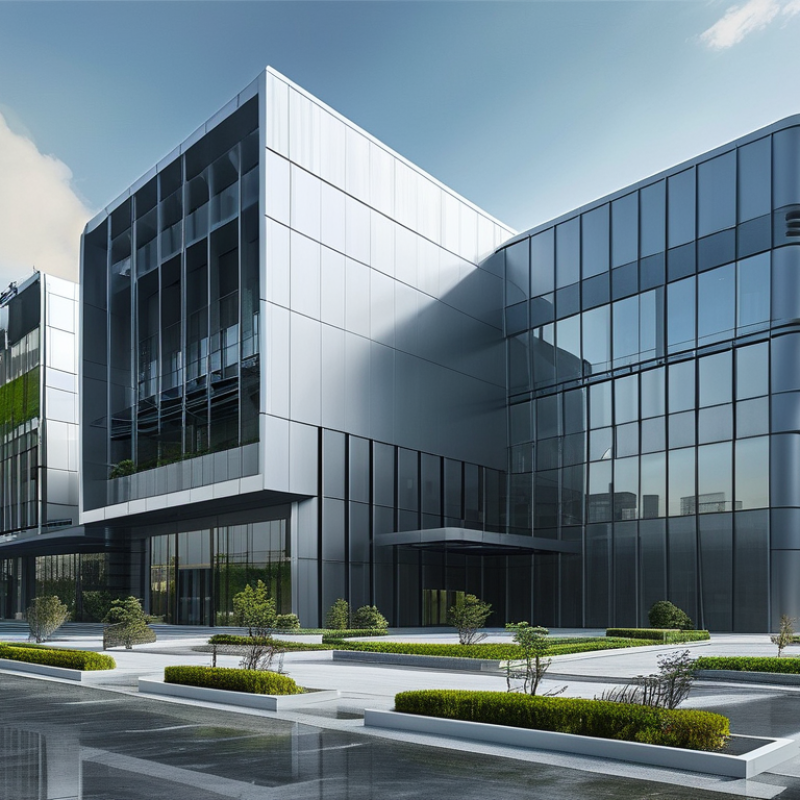
Essential Characteristics of Aluminum Construction Profiles
Aluminum construction profiles have gained traction in various construction fields due to their unique characteristics. Lightness and strength are two essential attributes of aluminum profiles. This material is about one-third the weight of steel yet can match its strength when designed correctly. According to a report by the Aluminum Association, structures utilizing aluminum can improve energy efficiency by approximately 30%. This reduction is attributed to insulation options integrated within aluminum frames.
Corrosion resistance is another critical factor. Aluminum naturally produces a protective oxide layer that enhances durability in harsh environments. Data from the International Aluminum Institute shows that aluminum's lifespan can exceed 50 years without substantial maintenance. However, the challenge lies in its thermal conductivity, which can lead to heat loss if not properly managed. This potential drawback requires careful design considerations, particularly in climate-sensitive projects.
Recyclability also sets aluminum apart. Approximately 75% of all aluminum produced in the past 100 years is still in use today. This material can be recycled without losing quality, supporting sustainable building practices. Despite its advantages, some may overlook the initial costs associated with high-quality aluminum profiles. These costs can deter some projects, even with the long-term benefits they offer. Adopting eco-conscious practices should involve a holistic view of both upfront investments and future savings.
Common Types of Aluminum Profiles Used in Construction
Aluminum profiles have become essential in construction. They offer strength, durability, and flexibility. A report by the Aluminum Association indicates that the use of aluminum in construction has increased by over 30% in the last decade. This trend reflects aluminum's advantages, such as being lightweight yet strong, which allows for efficient construction processes.
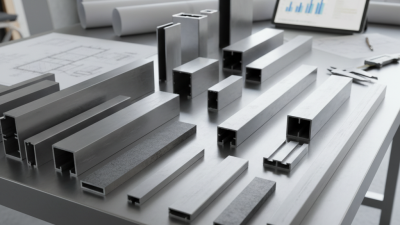
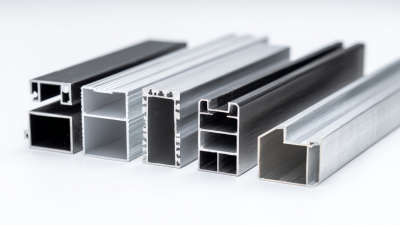
Common types of aluminum profiles include channels, angles, and tubes. Channels are often used for structural supports or framing. Their shape allows for easy integration into various designs. Angles are versatile and commonly used in brackets or braces. They can create strong joints in frameworks. Tubes are widely used in railings, scaffolding, and handrails. The right profile can significantly enhance a project’s strength and aesthetics.
Despite its benefits, using aluminum does pose challenges. Corrosion resistance is crucial, especially in harsh environments. Inadequate protective measures can lead to deterioration. Thus, understanding the local environment is vital for ensuring longevity. Keeping these factors in mind will help in making informed decisions about aluminum profiles in construction.
Top Aluminum Construction Profiles Used in the Industry
Advantages of Using Aluminum Profiles in Building Projects
Aluminum profiles have gained popularity in construction due to their numerous advantages. One key benefit is their lightweight nature, which facilitates easier handling and transportation. According to a report by the Aluminum Association, lightweight materials can reduce transportation costs by up to 15%. Builders appreciate this cost efficiency, particularly in large-scale projects where material costs can escalate rapidly.
Furthermore, aluminum offers excellent resistance to corrosion. A study from the International Aluminum Institute highlights that aluminum can maintain its integrity for over 70 years, even in harsh environments. This longevity means lower maintenance costs for building owners and increased durability for structures. However, it's essential to consider potential challenges, such as thermal expansion and conductivity. Mismanagement in the design phase can lead to issues with insulation and energy efficiency.
Another advantage of aluminum profiles is their recyclability. Research shows that recycling aluminum saves up to 95% of the energy required to produce new aluminum. This aligns with increasing sustainability efforts in the construction industry. Although aluminum's initial costs may be higher than some alternatives, the long-term savings and environmental benefits are undeniable. These factors attract architects and engineers who prioritize both performance and sustainability in their designs.
Top Aluminum Construction Profiles You Need to Know
| Profile Type |
Application |
Advantages |
Typical Size (mm) |
Weight (kg/m) |
| Square Tube |
Structural support, frames |
High strength-to-weight ratio, corrosion resistance |
20 x 20 |
1.37 |
| Angle Profile |
Bracing, frames |
Versatile, easy to assemble |
25 x 25 |
1.67 |
| T-Slot Profile |
Automation, machinery |
Flexible configurations, modular design |
30 x 30 |
2.75 |
| Channel Profile |
Track systems, supports |
Easy installation, great for load-bearing |
40 x 20 |
2.60 |
| Flat Bar |
Brackets, connection points |
Cost-effective, versatile |
100 x 10 |
1.65 |
Key Manufacturing Processes for Aluminum Construction Profiles
Aluminum construction profiles have unique manufacturing processes that contribute to their versatility. One common method is extrusion. In this process, heated aluminum alloy is forced through a die to create shapes. This allows for intricate designs and strength while keeping the material lightweight. Companies can produce a wide variety of profiles efficiently.
Another important process is die casting. This involves pouring molten aluminum into a mold. It enables complex shapes with high precision. Though effective, this method can lead to imperfections like air pockets, which may weaken the final product. Continuous improvement in technology helps mitigate these issues.
Anodizing is also essential in enhancing aluminum profiles. This electrochemical process thickens the oxide layer on the aluminum surface. It increases durability and resistance to corrosion. However, variations in the anodizing process can lead to color inconsistencies, requiring manufacturers to refine their techniques continuously to meet quality standards.
Applications of Aluminum Profiles in Modern Architecture
Aluminum profiles play a crucial role in modern architecture. They are lightweight yet strong, making them ideal for various applications. Architects utilize aluminum in window frames, façades, and roofing systems. Its versatility allows for unique designs and efficient structural integrity.
The aesthetic appeal of aluminum contributes to its popularity. It can be easily fabricated into complex shapes, enhancing the visual impact of buildings. However, the thermal conductivity of aluminum requires careful consideration. Proper insulation must be integrated to ensure energy efficiency.
Sustainability is another important factor. Aluminum is highly recyclable, reducing waste and promoting eco-friendly construction. Yet, the production process can be energy-intensive. Designers are encouraged to balance aesthetics with environmental responsibility. Challenges in sourcing and manufacturing need ongoing reflection for sustainable practices.








 wechat