How to Choose the Right Standard Aluminum Profiles for Your Project?
Choosing the right Standard Aluminum Profiles can significantly impact your project’s success. Industry expert John Smith emphasizes, “The choice of aluminum profiles defines the strength and flexibility of your design.” His insight reflects the importance of making informed decisions.
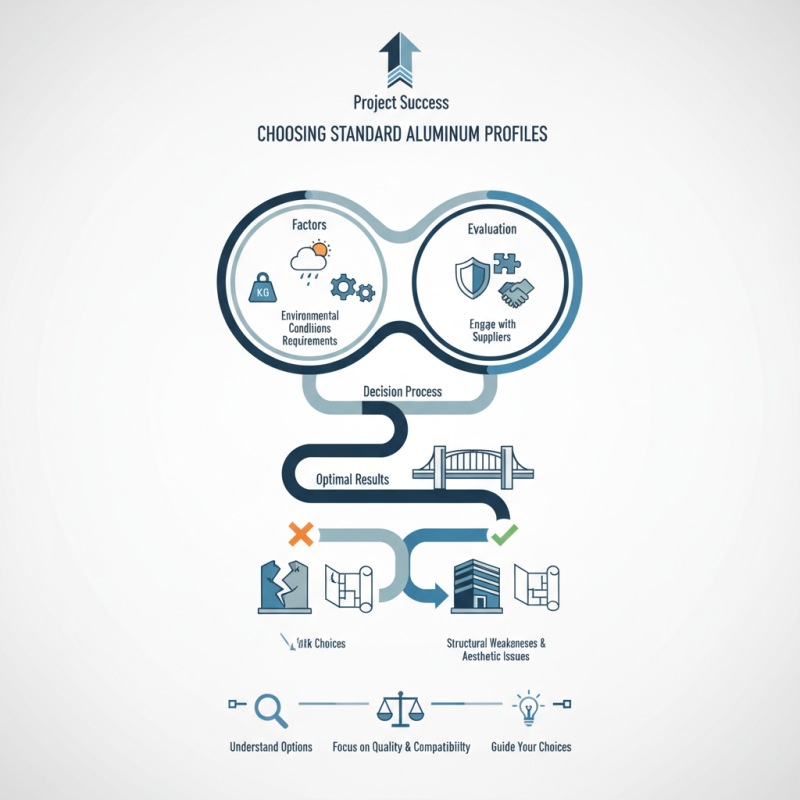
Standard Aluminum Profiles come in various shapes and sizes. Understanding these options is vital for achieving optimal results. Consider the specific requirements of your project, including load-bearing needs and environmental conditions. Selecting the wrong profile can lead to unforeseen challenges. This decision is critical.
When evaluating these aluminum profiles, focus on quality and compatibility. Not every profile suits every application. Inadequate considerations might lead to structural weaknesses or aesthetic issues. Take your time and engage with suppliers. Their expertise can help guide your choices and avoid costly mistakes. Trust the process, but remain critical of your selections.
Understanding the Different Types of Aluminum Profiles Available
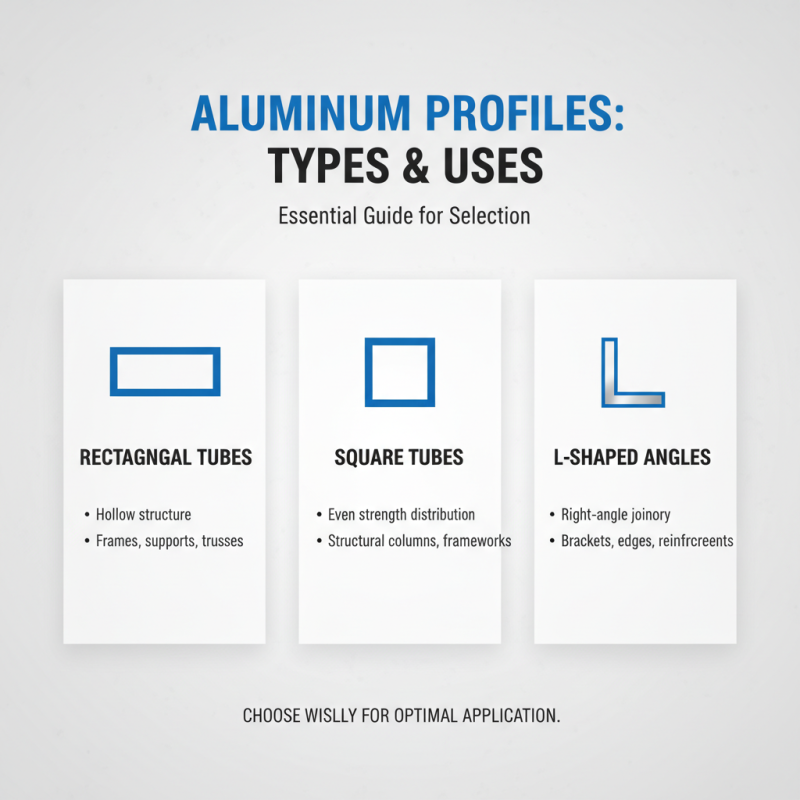
When selecting aluminum profiles, it's crucial to understand the various types available. Aluminum profiles come in different shapes and sizes, each designed for specific applications. Common types include rectangular tubes, square tubes, and L-shaped angles. Knowing their properties helps in making an informed choice.
For instance, rectangular tubes are strong and often used in structural applications. They offer excellent load-bearing capacity. Square tubes provide uniform strength in all directions, making them ideal for frames. L-shaped angles are useful for supports and brackets. Additionally, consider the wall thickness. Thicker walls generally increase strength but add weight.
It's also important to think about the profile's finish. Anodized finishes can resist corrosion better. However, the cost may be higher. Sometimes, specific projects may require a balance between cost and functionality, leading to difficult decisions. Mistakes can happen if you overlook the details. Understanding your project's specific needs is essential in choosing the right aluminum profiles.
Key Factors to Consider When Selecting Aluminum Profiles for Projects
Choosing the right standard aluminum profiles is vital for your project's success. Consider your project's specific requirements, such as load-bearing capacity, environmental conditions, and aesthetic preferences. Each project demands unique profiles that can meet these needs effectively.
Tip: Always check the specifications. It’s easy to overlook crucial details. Profile thickness, length, and finish can significantly impact performance. Some profiles may not suit high-stress applications. Evaluate where the profiles will be used. If they’re for outdoor use, resistance to corrosion is essential.
Another key factor is compatibility with existing materials. Different metals can react negatively when in contact. Ensure that the aluminum profiles you select won't degrade quickly. Also, consider the ease of assembly. Some designs may look great but are difficult to work with in the field.
Simplifying the process can save time and reduce errors.
Assessing Load-Bearing Capacities of Standard Aluminum Profiles
When choosing standard aluminum profiles for your project, assessing load-bearing capacities is vital. Each profile has its own strength, determined by dimensions and material quality. It's crucial to calculate the expected load on each profile to ensure safety and functionality.
Consider various factors when evaluating load capacities. Profile shapes can affect strength significantly. For instance, an I-beam design may support more weight than a simple flat bar. Always check specifications for maximum load limits. Sometimes, what looks strong in theory may not work in practice.
Additionally, consider real-world conditions. Temperature changes can affect aluminum's performance. Humidity and corrosion may also play a role. Testing these factors in your environment is wise. If you overlook these elements, unexpected failures could occur later. Ultimately, thorough assessments lead to better choices and successful projects.
How to Choose the Right Standard Aluminum Profiles for Your Project?
This bar chart illustrates the load-bearing capacities of different standard aluminum profiles. When choosing the right profile for your project, consider the weight requirements and ensure that the profile can support the intended load.
Evaluating Surface Treatments and Finishes for Durability and Aesthetics
When choosing standard aluminum profiles, evaluating surface treatments is crucial. The right finish can enhance both durability and aesthetics. Anodizing is a popular choice, offering corrosion resistance and wear protection. A recent industry report indicates that anodized finishes can extend the lifespan of aluminum by up to 50%. However, the process may alter the profile's appearance if not done correctly.
Powder coating is another effective treatment. It adds a vibrant, uniform color while maintaining protection against scratches and fading. According to studies, powder-coated profiles can resist UV exposure better than other finishes. Still, consistency in the application is challenging. Incomplete coverage can lead to potential weaknesses. It’s essential to inspect the profiles carefully before making a selection.
Despite these advantages, a common oversight is neglecting maintenance. Over time, any finish can wear. Neglected surfaces can lead to corrosion or reduced aesthetic appeal. A proactive maintenance routine is necessary to ensure both function and form. In many projects, balancing finish types with their actual performance can pose a dilemma. Being mindful of these aspects can ultimately lead to better project outcomes.
Cost-Effectiveness Analysis of Standard Aluminum Profiles in Construction
When analyzing the cost-effectiveness of standard aluminum profiles in construction, several critical factors surface. According to industry data, aluminum profiles can reduce overall building costs by up to 30% compared to traditional materials. This significant saving is largely due to their lightweight nature, which lowers transportation expenses and labor costs during installation. In terms of durability, aluminum offers a lifespan of up to 50 years, minimizing replacement costs.
Moreover, aluminum profiles are highly versatile and can be tailored for various applications. A recent report highlighted that approximately 70% of construction professionals prefer aluminum for window and door frames due to its resistance to corrosion. This adaptability is vital in dynamic construction environments, yet sometimes overlooked. Contractors might focus solely on initial costs, neglecting long-term savings and benefits. Not every project may realize these advantages equally, so careful planning and analysis are essential.
Financial performance varies by application and location. Some regions face higher labor rates, affecting the overall cost-benefit outlook. It's essential to analyze these localized factors critically. Cutting corners on material selection could lead to more significant expenses down the road. Understanding these dynamics will help in making better decisions for future projects.
Cost-Effectiveness Analysis of Standard Aluminum Profiles in Construction
| Profile Type |
Weight (kg/m) |
Cost per Meter ($) |
Strength (MPa) |
Thermal Conductivity (W/m·K) |
Application |
| Rectangular Tube |
3.5 |
12.00 |
200 |
205 |
Frames and Structures |
| Angle Profile |
2.8 |
8.50 |
190 |
150 |
Support Structures |
| Channel Profile |
4.2 |
15.00 |
210 |
180 |
Railings and Frames |
| Round Tube |
2.5 |
10.00 |
180 |
205 |
Piping and Handrails |
| T-Slot Profile |
3.0 |
14.00 |
200 |
160 |
Modular Construction |









 wechat