What is Aluminum Tube Profiles and Their Applications?
Aluminum Tube Profiles play a crucial role in various industries, offering lightweight and durable solutions. David Thompson, an expert in structural engineering, noted, "The versatility of aluminum tube profiles makes them an essential material in modern applications."
These profiles are used in construction, automotive, and aerospace industries. The strength-to-weight ratio of aluminum enhances performance without adding excessive mass. Industrial applications range from framework for machinery to support structures in buildings. Each application showcases the adaptability of aluminum tubes.
Despite their advantages, choosing the right aluminum tube profile can be challenging. Factors like thickness, alloy composition, and shape must be considered. Some professionals overlook these aspects, leading to suboptimal choices. This exploration of aluminum tube profiles aims to highlight key considerations and their vast applications.
Definition and Composition of Aluminum Tube Profiles
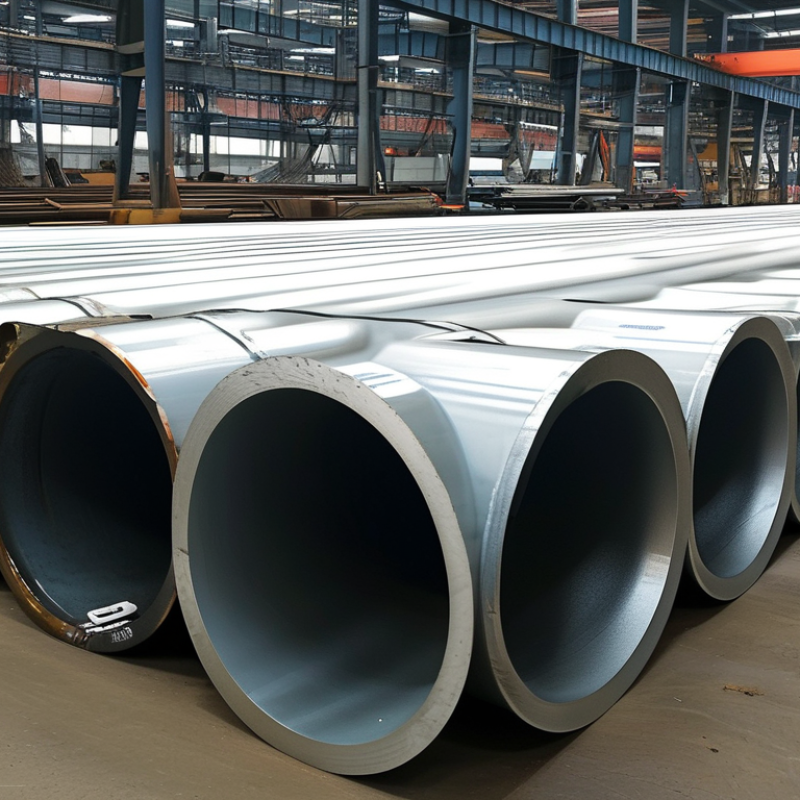
Aluminum tube profiles are versatile structural components widely used in various industries. They are crafted from aluminum alloys, which offer a great balance of strength and weight. The typical composition includes elements like silicon, iron, and magnesium, which enhance the material's properties. These combinations result in tubes that resist corrosion and can withstand significant stress.
The production process often involves extrusion, where aluminum is heated and forced through a die to create the desired shape. This method allows for a wide range of dimensions and wall thicknesses. The result is a uniform, lightweight, and durable product suitable for construction, automotive, and aerospace applications. Despite their strengths, improper handling can lead to dents or bending, highlighting the need for careful transportation and storage.
Aluminum tube profiles also come in various finishes, such as anodized or powder-coated. These finishes improve aesthetics and corrosion resistance. However, some manufacturers may overlook quality checks in the finishing process. This can lead to inconsistencies in product performance. Understanding their composition and manufacturing nuances is crucial for selecting the right aluminum tube profile for specific applications.
What is Aluminum Tube Profiles and Their Applications?
| Profile Type |
Dimensions (mm) |
Weight (kg/m) |
Applications |
| Round Tube |
20 x 2 |
0.76 |
Structural, Gears |
| Square Tube |
30 x 30 x 2 |
1.25 |
Frames, Support Structures |
| Rectangular Tube |
40 x 20 x 3 |
1.72 |
Construction, Fencing |
| Elliptical Tube |
50 x 30 |
1.95 |
Automotive, Aesthetic Structures |
| Custom Profiles |
Varies |
Varies |
Special Applications |
Types of Aluminum Tube Profiles and Their Characteristics
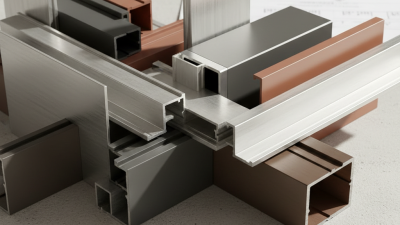
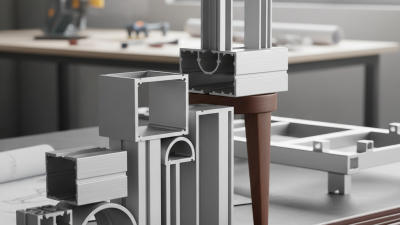
Aluminum tube profiles are essential in diverse industries. They come in various shapes and sizes, each suited for specific applications.
One common type is the round tube. Its smooth surface and rounded edges offer excellent durability. Round tubes are frequently used in construction and furniture manufacturing.
Another popular option is the rectangular tube. This profile provides added strength and stability. Its flat sides make it ideal for structural support. Rectangular tubes can be found in machinery, automotive components, and building frames. They are versatile and can accommodate various design needs.
Lastly, the square tube serves unique purposes. Its equal sides allow for streamlined stacking and assembly. Square tubes are often used in metal fabrication and shelving systems. Each type of aluminum tube profile has its characteristics, making them suitable for different projects. Understanding their specific features can enhance design efficiency. However, choosing the right profile can be challenging without proper knowledge. The wrong selection may lead to structural inefficiencies.
Manufacturing Processes for Aluminum Tube Profiles
Aluminum tube profiles play a significant role in various industries, including construction, automotive, and aerospace. The manufacturing processes for these profiles are crucial to ensure quality and functionality. Generally, the primary methods include extrusion, rolling, and drawing. Each method has unique characteristics that affect the final product's strength and appearance.
Extrusion is the most common technique. During this process, aluminum billets are heated and forced through a die, forming a continuous profile. This technique allows for complex shapes and precise dimensions. However, achieving the right temperature is vital. If not done carefully, the aluminum can warp or develop weak points.
Rolling involves passing aluminum sheets between rollers to achieve desired thickness. While this process can be efficient, it may lead to surface imperfections. Drawing pulls aluminum through a die, resulting in high-strength tubes. Yet, the process may introduce internal stresses that can compromise durability. Understanding these methods helps manufacturers choose the right process for their specific aluminum tube profiles.
Common Applications of Aluminum Tube Profiles in Various Industries
Aluminum tube profiles are versatile components widely used across various industries. Their lightweight properties make them ideal for applications where weight is a concern. For example, in the automotive sector, these profiles are used in vehicle frames and structural components. They help reduce fuel consumption while maintaining strength and durability. Additionally, in the aerospace industry, aluminum tubes are essential for parts that require both lightweight and high strength.
The construction industry also benefits significantly from aluminum tube profiles. They serve as supports and frames in building structures, offering excellent corrosion resistance. In HVAC systems, aluminum tubes play a crucial role in ductwork. Their smooth surfaces enhance airflow efficiency. Moreover, in the sporting goods market, aluminum is commonly found in bicycle frames, making them sturdy yet light for performance.
There is room for improvement in the manufacturing processes of aluminum tube profiles. Ensuring consistent quality can present challenges. Moreover, the environmental impact of aluminum production is a concern. While aluminum is recyclable, many processes still generate waste. As industries evolve, finding more sustainable methods will be vital. Balancing innovation with environmental responsibility is essential for the future of aluminum tube profiles.
Advantages of Using Aluminum Tube Profiles Over Other Materials
Aluminum tube profiles offer several advantages that make them a preferred choice in various applications. Their lightweight nature is one of the most significant benefits. This feature facilitates easy handling and installation, reducing labor costs and improving efficiency. Unlike heavier materials, aluminum does not compromise structural integrity. It provides strength without the added weight, ideal for construction and transportation sectors.
Another notable advantage is corrosion resistance. Aluminum naturally forms a protective oxide layer, shielding it from various environmental factors. This property enhances longevity, making aluminum tubes a reliable and durable option. Applications in industries like automotive and aerospace benefit from this aspect. These industries require materials that maintain strength over time, even in harsh conditions.
Aluminum also offers versatility in design. It can be easily extruded into various shapes and sizes, allowing customization for specific needs. This flexibility makes it suitable for projects ranging from furniture to architectural elements. However, it’s essential to consider that aluminum may not always be the most cost-effective solution for every application. Sometimes, alternatives may provide more affordability. Nonetheless, its unique properties often outweigh the drawbacks, establishing aluminum as a strong contender in material selection.










 wechat