What is Aluminum Construction Profiles and Their Benefits for Buyers?
Aluminum Construction Profiles are gaining popularity in various industries. These profiles are essential for modern construction due to their unique properties. They offer excellent durability, lightweight design, and resistance to corrosion. This makes them ideal for a wide range of applications, from buildings to furniture.
The benefits of Aluminum Construction Profiles extend to buyers as well. For one, they provide cost-effective solutions over time. When considering maintenance and longevity, these profiles can save money. Additionally, their versatility allows for creative designs and structural integrity. Buyers appreciate options that enhance aesthetic appeal while ensuring functionality.
However, it’s important to reflect on potential downsides. Some buyers may hesitate due to perceived high initial costs. Understanding the long-term value is crucial. This guide aims to inform buyers about Aluminum Construction Profiles and help them make well-rounded decisions. Knowledge empowers choices, leading to successful projects.
What are Aluminum Construction Profiles?
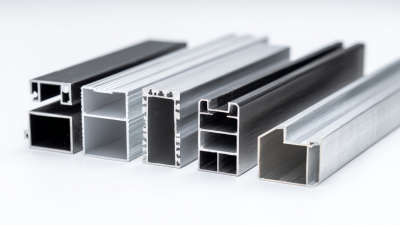
Aluminum construction profiles are specialized shapes made from aluminum, designed for various building applications. These profiles showcase a high strength-to-weight ratio, making them popular among architects and builders. Their versatility allows them to cater to different construction needs, ranging from framing to structural support. Aluminum profiles can be finished in various ways, enhancing aesthetics and durability.
When choosing aluminum profiles, consider the design requirements. Select profiles that align well with the project’s specifications. Also, think about insulation capabilities. Some profiles offer better thermal performance than others. A reflective finish can further improve energy efficiency, reducing long-term costs.
Tips: Always check the material quality. Not all aluminum is created equal. Poor quality can lead to structural failures. Additionally, consider long-term maintenance. Aluminum resists corrosion, yet it requires proper treatment to prevent damage from environmental exposure. Prioritize suppliers who provide detailed product specifications and installation support. They can help ensure your project's success.
Key Characteristics of Aluminum Construction Profiles
Aluminum construction profiles are renowned for their impressive characteristics. One key feature is their lightweight nature. This makes them easy to handle and transport. Construction teams appreciate this, as it reduces labor costs. The strength-to-weight ratio is also remarkable. Even though they are light, they offer significant resistance to structural stress.
Durability is another important aspect of aluminum profiles. They are resistant to corrosion and weather conditions. This longevity reduces maintenance needs over time. Additionally, aluminum can be recycled endlessly without losing its properties. This is an attractive feature for environmentally conscious projects.
The design flexibility of aluminum profiles cannot be overlooked. They can be extruded into various shapes and sizes. This adaptability allows for innovative architectural designs. However, it is essential to consider the initial cost. While they offer long-term benefits, the initial investment can be higher than other materials. Buyers must weigh these factors carefully.
Advantages of Using Aluminum Profiles in Construction
Aluminum construction profiles have gained popularity for various reasons. One primary advantage is their outstanding strength-to-weight ratio. This means they provide excellent support while remaining lightweight. This characteristic simplifies transportation and on-site assembly. Additionally, aluminum is resistant to corrosion, ensuring longevity in diverse environments. This feature is particularly beneficial for projects in areas with extreme weather conditions.
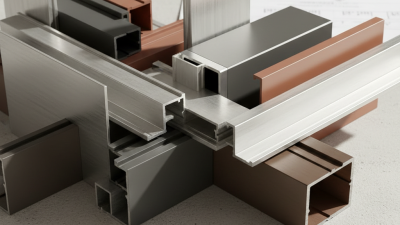
Another significant benefit is the versatility of aluminum profiles. They can be easily fabricated and customized to fit specific project needs. This adaptability allows architects and builders to create innovative designs. Moreover, aluminum profiles can accommodate various finishes, enhancing aesthetics while maintaining functionality. Many users appreciate this combination of beauty and practicality.
**Tip:** When selecting aluminum profiles, consider their thermal properties. Different grades can affect energy efficiency in buildings.
Some challenges remain when using aluminum. Cost can be higher compared to other materials, which might limit its use in certain projects. Also, improper installation can lead to issues like structural weakness. Therefore, proper training and expertise are crucial.
**Tip:** Always consult with professionals before making material decisions. Their insights can save time and resources.
Embracing the benefits of aluminum profiles can lead to innovative construction solutions. However, careful planning is essential to maximize their advantages.
Advantages of Using Aluminum Profiles in Construction
Applications of Aluminum Profiles in Various Industries
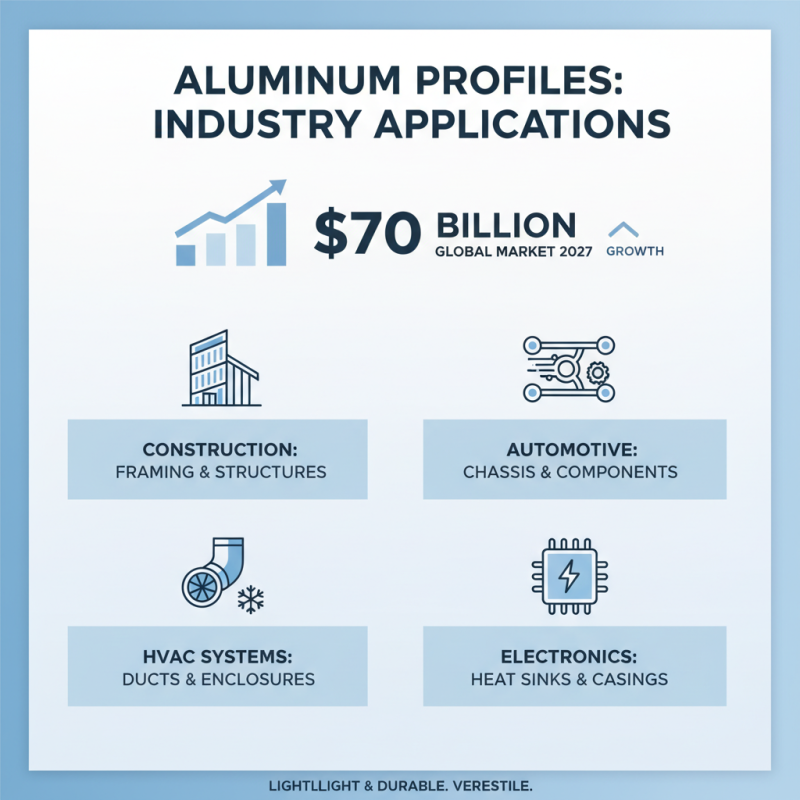
Aluminum profiles are widely used across various industries due to their lightweight and durable nature. In construction, they are essential in framing and structural components. According to a report from the Aluminum Association, the global aluminum profiles market is projected to reach $70 billion by 2027. This growth indicates a strong demand in sectors like architecture and HVAC systems.
In the automotive sector, aluminum profiles help reduce vehicle weight, enhancing fuel efficiency. Studies show that a 10% reduction in weight can lead to a 7% increase in fuel economy. This significant benefit explains why many manufacturers focus on aluminum as a primary material. Moreover, in the electronics industry, aluminum profiles are used for heat sinks and enclosures. Their thermal conductivity is crucial for maintaining optimal temperatures in electronic devices.
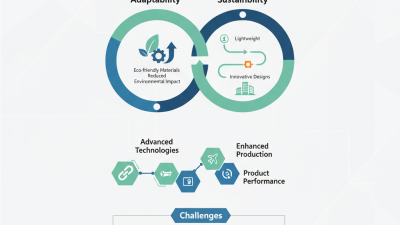
Despite their advantages, challenges exist. The production of aluminum profiles can have environmental impacts, raising concerns about sustainability. Manufacturers are increasingly focusing on recycling and energy-efficient production methods. The push towards greener solutions highlights the industry’s evolving priorities and the need for continuous improvement.
Considerations for Buyers When Choosing Aluminum Profiles
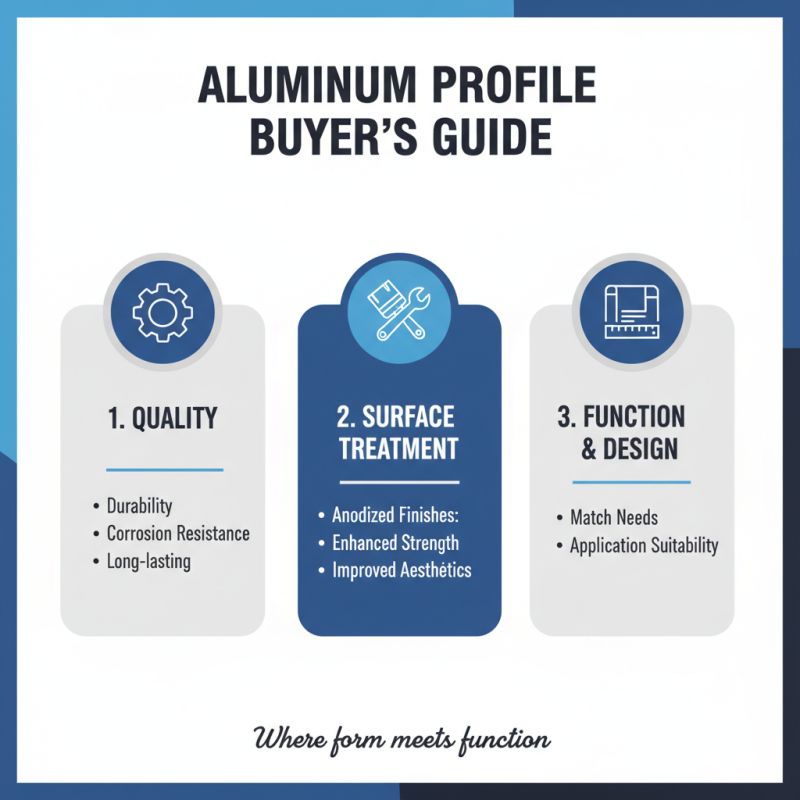
When choosing aluminum construction profiles, buyers should consider several factors. Quality is paramount. Profiles should be durable and resistant to corrosion. This ensures longevity in various applications. Buyers often overlook the importance of surface treatment. Anodized finishes can improve strength and aesthetics. It is crucial to select profiles that match both functionality and design needs.
Next, the supplier’s reputation matters. Experienced manufacturers often provide better support and reliability. Check certifications and customer reviews. This adds an extra layer of confidence in your choice. Customization options can also be beneficial. Tailored profiles can cater to unique project requirements. However, custom orders may come with longer lead times.
Buyers should also reflect on cost. While aluminum profiles may seem expensive upfront, their lifecycle benefits often justify the investment. Factor in the maintenance costs as well. In some cases, cheaper materials may lead to more frequent replacements. It's a balancing act where short-term savings can lead to higher long-term costs. Objective evaluation of all these elements is essential for a sound decision.








 wechat