One Stop Solution For Aluminum Profiles
调查
表单加载...

Top 5 Tips for Choosing T Slot Aluminum Extrusion Profiles?

When it comes to designing structures or projects, selecting the right T Slot Aluminum Extrusion Profiles is crucial. These profiles are not just versatile; they provide strength and flexibility for various applications. However, many overlook essential factors in their selection. A poorly chosen profile can compromise the integrity of your project.

Understanding the specifications and capabilities of T Slot Aluminum Extrusion Profiles is vital. The right profile ensures stability and ease of assembly. It can also impact the overall look of your project. Many individuals and businesses struggle with making the most effective choice. With so many options available, it’s easy to feel overwhelmed and confused.

Choosing these profiles demands careful consideration. Each application has unique requirements, and the wrong profile can lead to frustration. Being mindful of how each profile fits your needs will help you create robust and efficient designs. This guide will share practical tips that will elevate your decision-making process and enhance your project outcomes.
Top 5 Tips for Choosing T Slot Aluminum Extrusion Profiles?

Understanding T Slot Aluminum Extrusion Profiles: An Overview

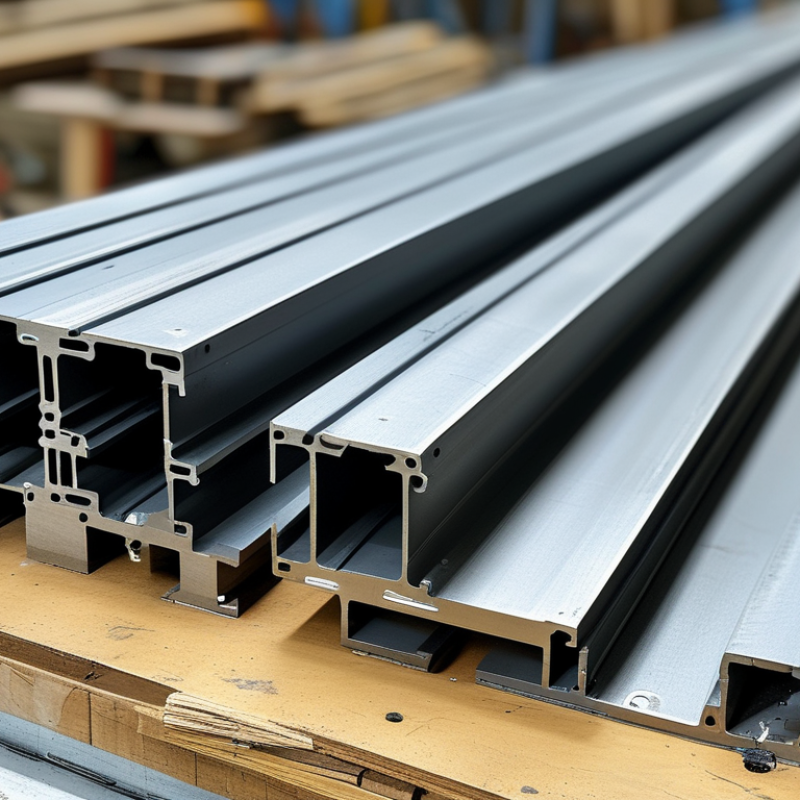
T-slot aluminum extrusion profiles have gained significant attention in various industries. They are versatile and highly functional, making them ideal for building frames, structures, and custom projects. This overview highlights their importance in modern manufacturing.

These profiles allow for easy assembly and reconfiguration. According to a recent report by the Aluminum Association, aluminum extrusions have increased in demand by approximately 6% annually over the past five years. Their unique T-slot design enables users to attach accessories effortlessly. However, potential users sometimes overlook the need for customized solutions tailored to specific projects.

Choosing the right alloy is crucial. Different alloys provide varying strength and weight characteristics. For example, 6061 aluminum is popular for structural applications, while 8020 is often preferred for its strength and ease of machining. Understanding the specific requirements of your application helps avoid costly mistakes. Not everyone realizes the importance of considering the load-bearing capacity and environmental factors that will impact the profile's performance over time.
Identifying Your Project Requirements and Specifications

When selecting T-slot aluminum extrusion profiles, understanding your project's specifications is crucial. Consider the intended use of your structure. This can significantly influence your choice of profile size and shape. For example, a lightweight frame may not need heavy-duty aluminium.

Tip one: Assess the load capacity. Different profiles support varying weights. A profile chosen without considering the load might compromise your project’s integrity.

Tip two: Examine length and dimensions. A profile that’s too long may not fit your workstation. Yet, too short may require unnecessary joins. Evaluate your workspace carefully.

Tip three: Review compatibility with accessories. If your project requires brackets or connectors, ensure they will fit with your selected profile. Mismatches can lead to delays and additional costs.

Reflecting on these aspects can save you future headaches. Each decision impacts the project's success. Aim to plan thoroughly, but don’t shy away from adjustments as you learn through the process.

Evaluating Profile Size, Shape, and Structural Integrity

When evaluating T slot aluminum extrusion profiles, size and shape are crucial. Selecting the right dimensions can impact the strength and functionality of your project. Ensure the profiles can accommodate your specific needs. A profile that is too small may not support your assembly effectively, while one that is too large can add unnecessary weight and cost.

Structural integrity is another essential aspect. Assess the material properties of the aluminum used. Look for variations that affect strength, such as wall thickness and internal supports. A well-structured profile can endure stress without deforming. However, not every extruded design is equal in durability. Some profiles may show weaknesses under high load.

Understanding these technical specifications is vital. Testing a small batch can reveal potential issues before committing to a larger order. Look for profiles that offer a balance between weight and strength. This consideration can lead to more efficient designs. Sometimes, investing extra thought into your choice can save time and resources in the long run.

Exploring Standard and Custom Profile Options

When exploring standard and custom T-slot aluminum extrusion profiles, a few key considerations come to mind. Standard profiles often provide a reliable and efficient solution for many applications. They are widely available and generally come with established specifications. These profiles serve a variety of purposes, such as structural frameworks or machinery enclosures. Yet, relying solely on standard options can sometimes limit creativity and adaptability.

On the other hand, custom profiles offer unique advantages. They allow for tailored solutions that meet specific requirements. Customizations can include unique dimensions, shapes, and features that standard profiles do not possess. This flexibility can be crucial for projects with unusual constraints. However, the process of designing a custom profile can be daunting. It often requires detailed planning and communication with manufacturers. One must ensure that the design truly addresses the project's needs.

Balancing standard and custom options can lead to effective outcomes. Taking the time to evaluate both can lead to better performance and functionality. A thoughtful approach ensures that the chosen profiles align with the overall project goals. It’s essential to reflect on which option will serve best in the long run. Sometimes, the path less traveled—custom solutions—can yield the most promising results.

Top 5 Tips for Choosing T Slot Aluminum Extrusion Profiles

Tip No. Tip Details Standard Options Custom Options
1 Determine Your Load Requirements Assess the weight and load your structure needs to support. Standard profiles for light to moderate loads. Custom profiles designed for heavy-duty applications.
2 Choose the Right Profile Size Select a profile size that fits your project's dimensions. Common sizes include 20x20, 30x30, etc. Custom sizes available based on project needs.
3 Consider Anodized vs. Mill Finish Decide whether a durable finish is necessary for your project. Standard mill finish for cost-effective solutions. Custom anodized finishes for enhanced durability.
4 Evaluate Accessories and Fasteners Ensure the availability of compatible accessories for assembly. Standard brackets, connectors available. Custom components designed for specific assemblies.
5 Consult with Experts Get professional advice based on your specific application. Standard consultations available. Customized consulting services for unique projects.

Considering Accessories and Compatibility with Other Components

When selecting T-slot aluminum extrusion profiles, considering accessories and compatibility is crucial. These profiles can be quite versatile, but their true potential depends on how well they integrate with other components. Before making a decision, evaluate the types of accessories available. Are necessary connectors, brackets, or fasteners readily accessible? An extensive accessory range enhances flexibility in design and construction.

Compatibility should come high on your list of priorities. Not all profiles are designed to work seamlessly with every accessory. Mismatched components can lead to structural weaknesses or require additional modifications. It’s wise to check specifications such as dimensions and weight capacities in advance. This could save time and effort later.

Don’t overlook the importance of future-proofing your setup. If you choose a profile that only fits specific components, it may limit your options down the line. Flexibility often comes with the ability to adapt to new needs. Perhaps you were drawn to an appealing design, but its limited compatibility could become an issue. Take time to weigh your choices and seek advice from experts if needed, to ensure your selection remains relevant over time.

Top 5 Tips for Choosing T Slot Aluminum Extrusion Profiles

The above chart illustrates the importance rating (on a scale of 1 to 10) for various factors to consider when choosing T Slot aluminum extrusion profiles. Durability and compatibility are the top considerations, ensuring a solid and fitting choice for your project.