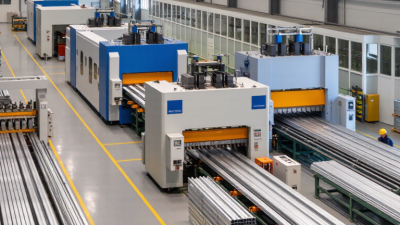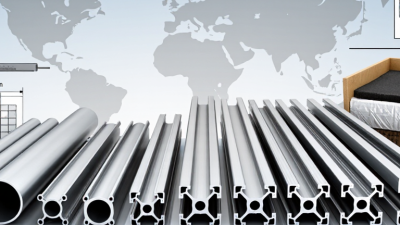
Choosing an Aluminum Extrusion supplier is more than comparing unit prices. A low quote can hide tooling costs, lengthy lead times, or limited finishing options. For global buyers, the right partner should explain alloy selection, temper, dimensional tolerances, surface treatment, packaging, and shipping schedules clearly. Ask for drawings, sample parts, inspection records, and material documentation before approving production. Look closely at the details. A clean anodized profile, consistent wall thickness, and protected bundle can reveal more than a polished sales presentation.
Metallurgist John E. Hatch’s published work provides a foundation for understanding aluminum alloys; the following is a sourcing takeaway, not a verbatim quotation: “Match the alloy and process to the part’s real service conditions.” That principle matters when profiles must resist corrosion, carry loads, or fit precisely into an assembly. Yet supplier comparisons are rarely perfect. Quoted tolerances, testing methods, and delivery estimates may not be directly comparable, so buyers should confirm assumptions in writing. This guide examines China’s leading aluminum extrusion suppliers through practical criteria, including production capability, quality controls, customization, communication, and export experience. The strongest choice is not automatically the largest factory. It is the supplier that can show how its process will meet your specifications—and explain what happens when it does not.
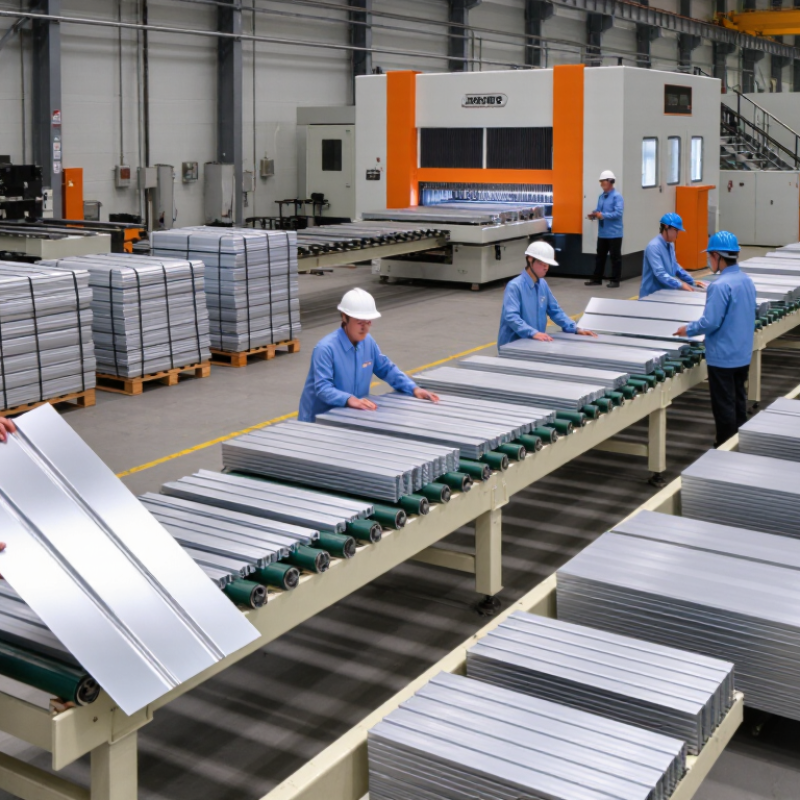
For global buyers, choosing between 6061 and 6063 starts with the part’s job, not its price. The USGS Mineral Commodity Summaries 2025 estimates 72 million metric tons of primary aluminum production worldwide in 2024. That scale makes precise alloy and temper specifications essential. 6061 is commonly selected for stronger structural parts and components that need machining. 6063 is often preferred for architectural profiles, intricate cross-sections, and visible surfaces that may be anodized. Neither alloy is automatically the better choice. Temper, wall thickness, and profile shape all affect performance.
Tips: Request the exact temper, applicable ASTM B221 requirements, and a mill test certificate. Compare the specified mechanical properties, not just “6061” or “6063.”
A thin 6063 frame may extrude cleanly with a smooth finish, while a thicker 6061 bracket may suit a more strength-focused design. ASTM B221 covers extruded aluminum products, but buyers should confirm the relevant alloy-and-temper limits with their supplier. Small details matter: a sharp internal corner or uneven wall can complicate extrusion and affect consistency. It is easy to overlook these details when comparing quotes.
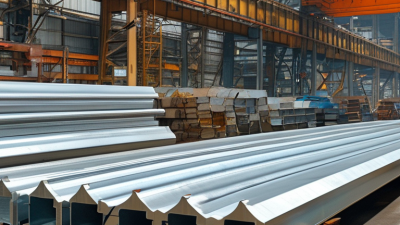
China Best Aluminum Extrusion Suppliers for Global Buyers
From Billet to Profile: Extrusion Press Capacity and Die Design
A reliable extrusion project starts with matching the billet and press to the profile, not simply choosing the largest machine. Press capacity, billet diameter, alloy, and profile shape all affect whether metal flows evenly through the die. A thin-walled channel may need different tooling and process settings from a solid bar of similar width. Fit matters.
Ask suppliers how they assess press capacity against your section dimensions and order volume. A capable team can explain its die approach, expected tolerances, and trial process in practical terms. Die design must account for wall thickness, hollow sections, and areas where metal flow may become uneven. Small details matter. A drawing alone may not reveal every production challenge.
Before placing an order, review sample profiles and request dimensional inspection records. Check critical areas such as wall thickness, straightness, and surface finish. For a new design, ask how die trials are documented and how adjustments are handled. Press capacity is not everything. A large press can still produce inconsistent profiles if the die is poorly balanced or process controls are weak. Suppliers should be clear about those limits, too.
Typical capability ranges for aluminum extrusion operations in China. Figures are indicative industry ranges, not verified specifications for any individual supplier; actual capacity, tolerances, and output depend on alloy, profile geometry, order mix, and production schedule.
| Supplier Capability Tier | Typical Press Force | Billet Diameter Range | Typical Profile Size Range | Common Alloys | Die Design and Production | Typical Length Capability | Indicative Monthly Output | Quality and Process Checks |
|---|---|---|---|---|---|---|---|---|
| Precision, small-section production | 600–1,800 metric tons | 3–6 in (76–152 mm) | Small to medium sections; commonly suited to profiles with a circumscribing circle up to about 150 mm | 6063, 6061 | Single-cavity and multi-cavity dies; suitable for thin-wall and detailed architectural or electronics profiles. Die trials are used to tune metal flow and dimensions. | Commonly 3–7 m finished lengths, subject to handling and downstream equipment | Approximately 200–700 metric tons | Billet and temperature records, first-article dimensional checks, profile straightness and surface inspection |
| General-purpose architectural production | 1,800–3,600 metric tons | 5–8 in (127–203 mm) | Medium sections; often up to about 250 mm circumscribing-circle diameter | 6063, 6061, 6005A | Solid and hollow dies, with porthole or bridge die designs for hollow sections. Die correction and bearing adjustment support repeat production. | Commonly 4–7.5 m; longer lengths depend on profile shape and handling line | Approximately 500–1,500 metric tons | Dimensional sampling, surface and weld-line checks for hollow profiles, quench and aging records |
| Medium-to-heavy industrial production | 3,600–5,500 metric tons | 7–10 in (178–254 mm) | Medium to large sections; often up to about 350 mm circumscribing-circle diameter | 6061, 6005A, 6082 | Heavy-duty solid and hollow dies; die-flow simulation may be used for complex sections. Designed for structural, transport, and machinery applications. | Commonly 6–12 m, depending on profile stiffness and finishing equipment | Approximately 800–2,500 metric tons | Alloy and temper traceability, tensile testing by lot when specified, dimensional and straightness inspection |
| Large-section and heavy-duty production | 5,500–8,000 metric tons | 9–12 in (229–305 mm) | Large or thick-walled sections; profiles may exceed 350 mm circumscribing-circle diameter, subject to press and die limits | 6061, 6005A, 6082 | Large solid and hollow dies with robust support and controlled bearing design. Trial runs are important for balancing flow and reducing distortion. | Commonly 6–14 m, depending on product geometry and run-out table capacity | Approximately 1,000–3,000 metric tons | Press and quench process monitoring, mechanical-property verification, dimensional checks, and documented lot identification |
| Integrated, high-volume production | Varies by press line; may include presses from 1,800 to 8,000 metric tons | Typically 5–12 in (127–305 mm), depending on the line | Broad product mix, from small precision profiles to large structural sections | 6063, 6061, 6005A, 6082 | Multiple press lines and die-maintenance capability can support repeat programs, scheduled die trials, and profile-specific process records. | Typically 3–14 m, subject to the selected press and downstream line | Approximately 1,500–5,000+ metric tons across multiple lines | Incoming billet checks, process documentation, sampling plans, mechanical tests, and optional third-party inspection by agreement |
| Buyer note: Confirm press force, billet size, profile circumscribing-circle diameter, die ownership and maintenance terms, alloy and temper, applicable dimensional standard, minimum order quantity, and inspection plan against the specific drawing and purchase specification. | ||||||||
For global buyers, EN 755-9 provides a practical reference for dimensional and form tolerances on aluminium extruded profiles. It is not enough to ask whether a supplier “meets the standard.” Confirm the applicable edition, profile dimensions, and tolerance class against the approved drawing. A narrow slot or thin wall may need closer attention than the overall width.
Check real samples, not just a certificate. Measure critical dimensions with suitable, calibrated tools, and record results by production lot. Depending on the profile, inspect straightness, twist, and local surface conditions as well as basic dimensions. Numbers matter. A short sample can miss bow along a long extrusion; that is easy to overlook, even in a careful inspection.
ISO 9001 indicates that a quality management system is in place, but certification alone does not prove every shipment conforms to your drawing. Ask how nonconforming parts are isolated, how measuring equipment is controlled, and whether inspection records are traceable to the lot. Paper is not proof. I would also agree on sampling rules before production, because discovering a tolerance dispute after cutting or machining is costly. No checklist catches everything, so buyers should review early samples and revisit the inspection plan when the profile changes.
ISO 9001:2015 requirement clauses provide a framework for quality management. EN 755-9 specifies dimensional and form tolerances for extruded profiles; applicable tolerances depend on the profile and relevant standard tables.
China offers a wide range of aluminum extrusion capabilities, but supplier comparisons should start with the intended application. Ask which alloys and tempers are available, such as 6063 for architectural profiles or 6061 for parts needing greater strength. Alloy names alone are not enough. Request mill certificates and confirm the temper, dimensional tolerances, and testing records for the specific order. A neat profile drawing can still hide a mismatch in wall thickness.
Finishing options affect both appearance and performance. Compare anodizing thickness and color consistency, powder-coating specifications, and how each supplier handles scratches or edge marks. Ask for a finished sample, not just a raw extrusion. Inspect it under ordinary lighting and check corners, cut ends, and long surfaces. Small defects show up fast. Sample approval helps, though it cannot guarantee every production run will match perfectly.
Minimum order quantity can shape the real cost. A low MOQ may suit a pilot project, while larger runs can reduce unit pricing but increase inventory risk. Compare tooling charges, setup fees, lead times, and reorder terms alongside the quoted price. Ask whether the MOQ applies per profile, alloy, or finish; suppliers may define it differently. One comparison spreadsheet helps, but it can miss practical details, so record responses and verify key claims with samples and written specifications.
For global buyers, export readiness begins with a precise purchase specification. ASTM B221 covers aluminum-alloy extruded bars, profiles, and tubes, but naming the standard alone is not enough. Confirm the alloy, temper, dimensions, tolerances, and inspection documents before production. Ask how material certificates link to bundle or batch identification. Small details matter. A profile that fits a drawing may still need tighter dimensional checks for assembly.
Packaging deserves the same attention as production. Profiles may need protective film, separators, dry wrapping, and sturdy bundles to limit scratches and moisture during transit. Request photos of the proposed packing and confirm bundle lengths, weights, and container loading plans. Lead times should distinguish tooling, sampling, production, and shipping; port congestion can still upset a tidy schedule. It happens. Set realistic milestone dates and agree how delays will be reported. Incoterms also define important responsibilities, including delivery points, transport costs, and risk transfer. State the chosen rule and named place clearly in the quotation and contract. Do not assume “FOB” or “CIF” answers every insurance or handling question; verify the allocation against the shipment plan. A candid supplier should explain what is included, what is not, and where estimates remain uncertain.