Top Aluminum Profiles for Windows and Doors in 2026
In 2026, choosing Aluminum Profiles For Windows And Doors means looking beyond appearance and asking how a complete window or door system performs. A slim frame may bring more daylight into a room, but its thermal performance also depends on the profile design, thermal break, glazing, seals, and installation. Details matter. A poorly matched gasket or blocked drainage channel can undermine an otherwise carefully specified frame.
The UNEP and Global Alliance for Buildings and Construction Global Status Report 2024/2025 estimates that buildings and construction account for 32% of global energy use and 34% of energy- and process-related carbon dioxide emissions. Those figures put pressure on the industry to consider operational efficiency and material choices together. Aluminum is durable and adaptable, yet its environmental impact varies with production methods and recycled content. A profile specification alone cannot tell the whole story.
This guide compares common profile types and explains what buyers, architects, and fabricators should check in 2026. We look at thermal-break configurations, frame depth, finish, glazing compatibility, and practical performance in everyday conditions, such as wind-driven rain or repeated opening. Some product claims sound precise but offer little context. That deserves a closer look. The best choice is not automatically the thickest or most expensive profile; it is the system supported by relevant test data, clear specifications, and workmanship suited to the project.
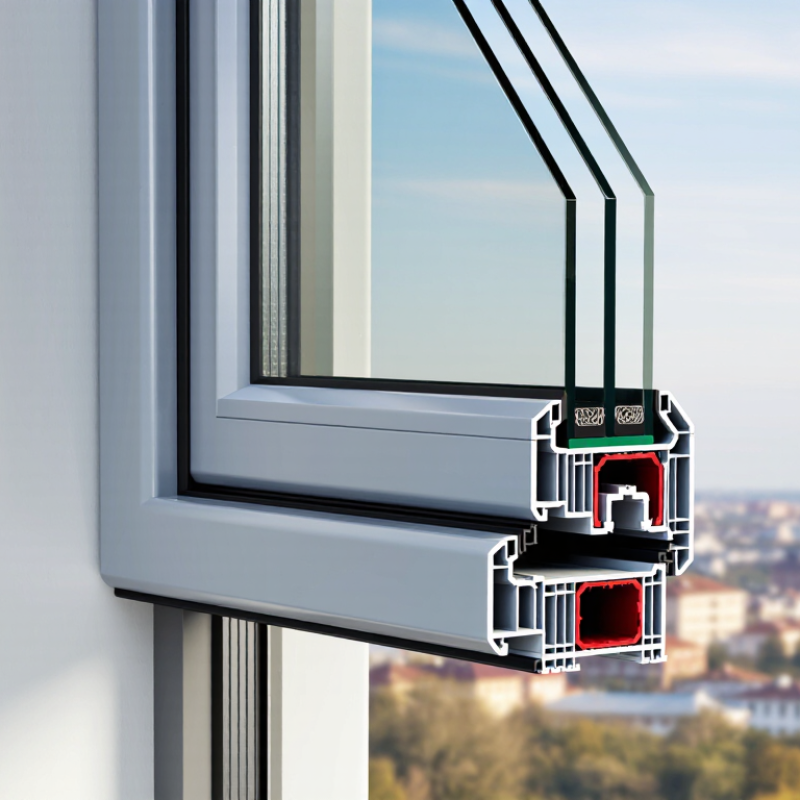
Aluminum Profiles for Windows and Doors: Structure and Core Functions
An aluminum profile is more than the visible frame around a window or door. Its chambers, walls, and joints work together to carry glass weight and resist wind pressure. Thicker sections may offer greater stiffness, but dimensions alone do not establish performance. The frame design, alloy, hardware, and opening size matter too. Small details matter.
Many systems use a thermal break: a low-conductivity strip separating the interior and exterior aluminum sections. This reduces heat transfer, though the complete window’s performance also depends on glazing, seals, and installation. Gaskets compress against the sash to limit air and water entry. Drainage channels guide collected water toward exterior openings. Those paths must stay clear.
At a corner joint, accurate cuts and secure connections help keep the frame square under load. Poor alignment can make a sash drag or leave uneven gaps. For selection, compare tested air, water, and structural performance, and confirm that the profile suits the glass thickness and hardware. A specification can look complete on paper yet miss a site condition, such as an exposed sill or unusually wide opening. That is easy to overlook. Review actual section drawings and installation details before ordering.
Main Profile Types Used in Modern Window and Door Systems
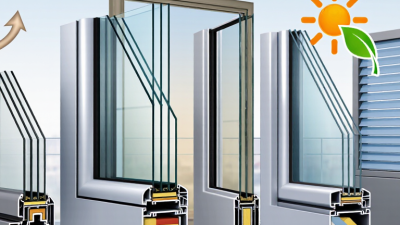
Modern window and door systems use several distinct aluminum profile types. Fixed-window frames hold glass in place, while casement and awning profiles support hinged sashes and their hardware. Sliding systems need track profiles that guide rollers and manage water at the sill. For wide openings, reinforced mullions help resist wind pressure. Thermal-break frames add an insulating barrier between inner and outer aluminum sections. Small details matter.
Profile choice affects comfort, not just appearance. The U.S. Department of Energy’s Energy Saver guidance estimates that heat gain and loss through windows account for 25–30% of residential heating and cooling energy use. A well-designed profile can support better whole-window performance, but glass, seals, installation, and climate also matter. Aluminum Association sustainability materials report that recycling aluminum uses about 95% less energy than producing primary aluminum. That figure is useful context, not a guarantee that every profile contains recycled metal. On site, narrow sightlines can look clean, yet leave less room for drainage or hardware. The trade-off deserves a closer look.
Top Aluminum Profiles for Windows and Doors in 2026
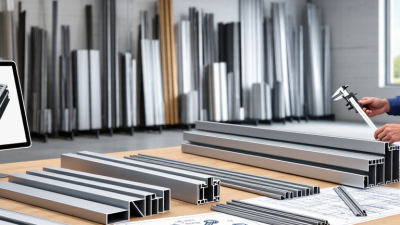
Indicative wall-thickness ranges for common profile types in modern window and door systems.
Frames and sashes form the main perimeter sections; mullions and transoms divide larger openings, while glazing beads retain the glass. Door stiles, rails, and thresholds are often more substantial. These are indicative ranges, not universal specifications: actual dimensions depend on system design, span, loads, glazing, and applicable standards.
Key Performance Factors: Strength, Thermal Breaks, and Weather Resistance
Top Aluminum Profiles for Windows and Doors in 2026
Key Performance Factors: Strength, Thermal Breaks, and Weather Resistance
Choosing an aluminum profile means balancing strength, insulation, and exposure to local weather. A sturdy frame helps keep large glass panels stable, but profile dimensions alone do not prove performance. Check the system’s tested load capacity and how its corners and hardware are joined. For thermal comfort, look for a continuous thermal break between the inner and outer aluminum sections. It reduces heat transfer and can help limit condensation; it cannot compensate for poorly sealed glass or installation gaps. Details matter.
Tips: Ask for test data on air leakage, water penetration, and wind resistance. Compare results for the complete window or door assembly, not just the profile. Also check whether drainage channels stay clear and seals can be replaced.
Weather resistance depends on the whole system and the way it is installed. In windy, rainy areas, tight gaskets, secure drainage paths, and corrosion-resistant hardware deserve attention. Salt air can make surface protection especially important. Match the system’s tested ratings to the building’s exposure, and follow the fabricator’s installation guidance. It is easy to focus on the frame finish and overlook drainage. That small oversight can matter. Performance varies with glass, hardware, fabrication, and site conditions, so no single profile is best for every project.
How to Compare Profiles for Different Building Needs
Choosing aluminum profiles for windows and doors starts with the building’s exposure and use, not appearance alone. A sheltered interior partition has different needs from a west-facing façade exposed to wind-driven rain. Compare frame depth, thermal-break design, drainage paths, and compatible glazing. A deeper profile may support larger panes, but it can reduce the visible glass area. Measure twice.
For coastal or rainy sites, inspect corner joints, seals, and drainage details. For cold climates, review the whole window’s thermal performance, not just the frame’s advertised value. In busy entrances, check threshold height, hardware capacity, and expected opening cycles. Ask for test data and installation guidance; performance depends on both the profile and how it is fitted.
Tips: Bring opening dimensions, glass specifications, and site conditions to supplier discussions. Request a section drawing, then check how the frame meets the wall insulation and sill. Compare maintenance requirements too. A finish that looks clean in a sample may show dust or scratches more readily on a large façade. I would not choose by one number alone; project constraints sometimes make the “best” profile a compromise. Test a representative corner or mock-up when details remain uncertain.









 wechat
