Top Aluminum Alloy Profiles from China for Global Buyers?
In today’s competitive market, Aluminum Alloy Profiles have become essential for diverse applications. China stands out as a leading supplier, offering a wide range of high-quality aluminum products. Global buyers seek these profiles for their durability, lightweight, and corrosion resistance.
The variety in design and functionality contributes to their growing popularity. However, understanding the quality and specifications is crucial. Not all suppliers uphold the same standards. This variability can lead to unexpected challenges for buyers.
Navigating this market requires careful consideration. Buyers must evaluate the reputation of manufacturers. Gathering insights on product performance and feedback from other buyers can be invaluable. In this pursuit, focusing on reliable sources will enhance decision-making and reduce risks. Ultimately, exploring the best Aluminum Alloy Profiles from China can yield significant benefits for global buyers.
Overview of Aluminum Alloy Profiles in China
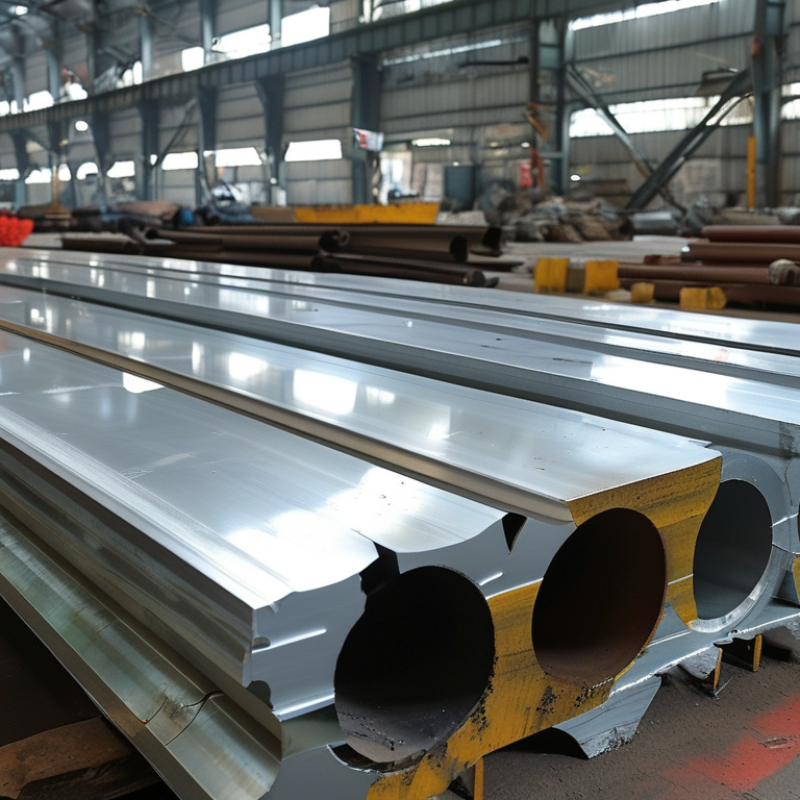
China is a major player in the global aluminum alloy profile market. The country produces a wide variety of aluminum profiles used in construction, transportation, and manufacturing. Chinese manufacturers leverage advanced extrusion technology and strict quality control. This ensures that their products meet international standards.
One notable aspect is the sourcing of raw materials. Aluminum quality can vary significantly. Some suppliers may not utilize the best materials. It's essential for global buyers to conduct thorough inspections. Familiarity with local suppliers can also provide insight into the production process.
Sustainability is another area for improvement. While production efficiency is high, environmental practices vary. Some factories may not adhere to strict environmental regulations. This is a critical point for buyers concerned about sustainability. Knowledge of local practices can help ensure responsible sourcing.
Key Characteristics of Popular Aluminum Alloys
When exploring aluminum alloys, identifying key characteristics is essential for buyers. Different alloys exhibit unique traits that influence their applications. For example, alloy 6061 is known for its excellent corrosion resistance and weldability. This makes it a popular choice in structural applications, such as bridges and buildings.
Another notable alloy is 7075, recognized for its high strength-to-weight ratio. It is often used in aerospace applications, where performance is critical. However, the same strength level may come with challenges, such as reduced workability. Buyers should consider the specific requirements of their projects, including the need for fabrication techniques that suit the chosen alloy.
Understanding the characteristics of aluminum alloys also involves weighing trade-offs. While some alloys offer great strength, they may be more susceptible to cracking during machining. Buyers should assess the demands of their projects, choosing the right alloy based on performance needs and processing capabilities. This approach ensures that the materials selected will meet both current and future demands efficiently.
Leading Manufacturers of Aluminum Alloy Profiles in China
China's aluminum alloy profile industry has seen significant growth in recent years. Data from industry reports indicate that the market size reached approximately $95 billion in 2022, with an annual growth rate of 7.5% projected through 2027. This growth is driven by increasing demand in construction and transportation sectors globally.
Leading manufacturers in this sector are noted for their advanced production techniques. Many companies utilize state-of-the-art extrusion machinery and have adopted automated quality control systems. This ensures consistency in product specifications. Reports highlight that over 70% of aluminum products exported from China go into construction applications. However, there are challenges. Some manufacturers struggle with compliance to international standards, leading to potential issues in export markets.
The competitive landscape is intense. Many companies are focusing on sustainability practices. They aim to reduce carbon footprints and use recycled materials. Yet, not all players in the market follow this trend. Ensuring responsible practices is a discussion point among industry leaders. As global buyers seek reliable suppliers, understanding these dynamics becomes crucial.
Top Aluminum Alloy Profiles from China for Global Buyers
| Profile Type |
Application |
Alloy Composition |
Dimensions (mm) |
Weight (kg/m) |
Surface Treatment |
| Structural Profile |
Construction |
6061 |
50 x 100 |
5.0 |
Anodized |
| Decorative Profile |
Interior Design |
6063 |
30 x 30 |
1.5 |
Powder Coated |
| Window Frame |
Window Manufacturing |
A6063 |
70 x 45 |
4.2 |
Thermal Break |
| Heat Sink |
Electronics |
6063 |
50 x 200 |
6.0 |
Anodized |
| Rail Profile |
Transportation |
6082 |
100 x 200 |
8.0 |
Mill Finish |
Global Markets for Chinese Aluminum Alloy Products
The global aluminum alloy market is experiencing significant growth, driven by increasing demands across various sectors. According to a market research report, the global aluminum alloy market was valued at approximately $120 billion in 2021. It is projected to reach over $150 billion by 2027, showcasing annual growth of about 5% during the forecast period. This expansion is fueled by the lightweight and durable nature of aluminum alloys, making them ideal for industries like transportation, construction, and packaging.
China has solidified its position as a leading exporter of aluminum alloy products. Reports indicate that Chinese exports accounted for over 35% of the global aluminum market in recent years. The country's advanced manufacturing techniques and competitive pricing further enhance its attractiveness to global buyers. Nevertheless, rising production costs and environmental regulations pose challenges. These factors prompt a need for continuous innovation and efficiency to maintain market share.
Manufacturers are increasingly focused on optimizing their production processes. Enhanced quality control measures and sustainable practices are now vital in meeting international standards. Buyers must navigate this landscape carefully to avoid supply chain disruptions. The future of the aluminum industry relies on adaptability to changing market conditions and consumer preferences.
Quality Standards and Certifications for Aluminum Profiles
When sourcing aluminum alloy profiles from China, understanding quality standards is paramount. Manufacturers often adhere to international norms like ISO 9001 and ASTM standards. These certifications ensure that products meet stringent performance criteria. Validating these standards helps ensure reliability in your supply chain.
Tips: Check the manufacturer’s certifications before placing a large order. This step can save you from potential issues later.
The significance of quality cannot be overstated. Aluminum profiles must not only meet aesthetic requirements but also withstand environmental factors. Look for profiles that have undergone rigorous testing for durability and strength. Some manufacturers may claim compliance without support. Always ask for documentation to back their claims.
Tips: Engage with suppliers who provide detailed technical specifications. Transparency is a good sign of a reputable manufacturer.
In the pursuit of quality aluminum profiles, remember that not all products are equal. Conducting third-party tests can further verify claims. Consider how the profiles will be used in your projects. A mismatch in expected standards can lead to costly errors. Maintaining high standards is essential for achieving durable results.








 wechat