Top 10 Tips for Choosing Architectural Aluminum Profiles?
Architectural Aluminum Profiles play a crucial role in modern construction, combining aesthetics with durability. According to the Aluminum Association, the demand for aluminum in architecture is projected to grow by 3.6% annually through 2025. This trend highlights the importance of selecting the right profiles for diverse architectural needs.
Choosing the right profiles requires careful consideration of factors such as strength, weight, and resistance to corrosion. Industry experts emphasize that understanding the environmental impact is essential. Many buildings now aim for sustainability, and aluminum's recyclability makes it a popular choice. However, not all profiles are created equal. Flaws in selection can lead to structural issues or aesthetic failures.
Identifying the best Architectural Aluminum Profiles involves more than just looks. Consulting with engineers or architects can provide valuable insights. Yet, many still overlook the significance of proper research and testing. Ensuring that profiles meet industry standards is imperative. This focus on quality can prevent costly mistakes down the line.
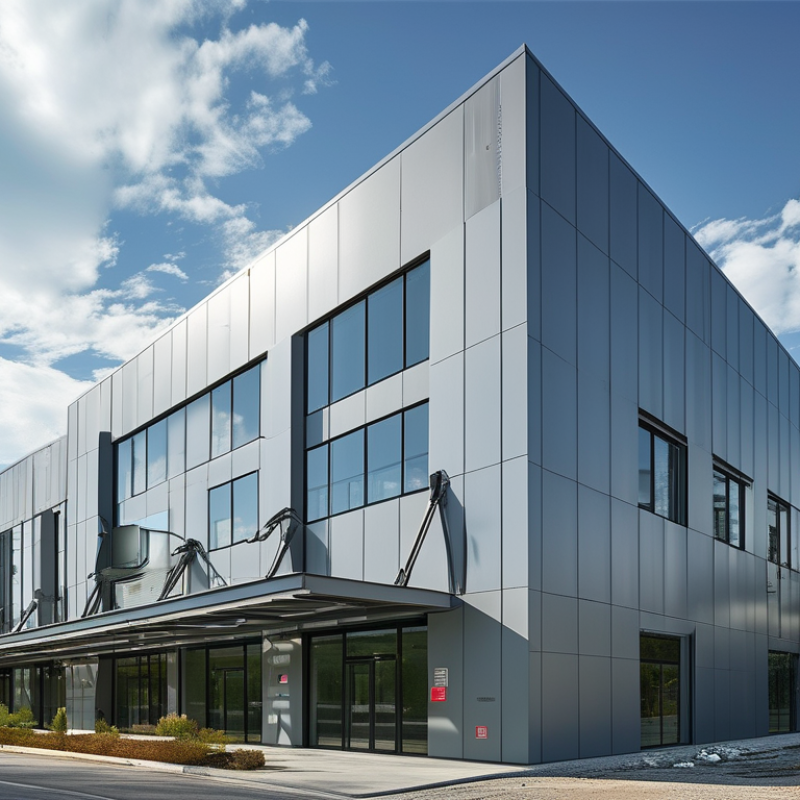
Understanding the Different Types of Architectural Aluminum Profiles
When selecting architectural aluminum profiles, it’s essential to understand the various types available. Each profile serves different purposes and offers distinct advantages.
Common types include extruded, rolled, and fabricated aluminum profiles. Extruded profiles allow for versatility in design but may differ in strength. Rolled aluminum tends to provide a smoother finish, yet it may have limitations in shape customization.
Choosing the right profile often involves aesthetic considerations. Some projects benefit from sleek, modern lines, while others require more robust structures. The surface treatment also plays a crucial role in durability and appearance. Anodized finishes can enhance corrosion resistance, but they may not resonate with every design vision.
It's worth noting that not all profiles will be ideal for every project. Sometimes, a seemingly perfect option might have unforeseen drawbacks. Budget constraints can also limit choices, pushing designers to prioritize certain characteristics over others. Understanding these trade-offs is vital for successful outcomes in architectural design.
Evaluating Strength and Durability Attributes in Aluminum Profiles
When evaluating aluminum profiles, strength and durability are critical factors. Aluminum is known for its lightweight properties, but that doesn’t mean it compromises on strength. Look for profiles that meet industry standards for tensile strength. Higher tensile strength indicates better performance under stress. Consider profiles with a thicker wall. A robust wall can enhance longevity.
Another important aspect is corrosion resistance. Aluminum alloys naturally resist rust. However, the specific alloy composition can vary. Profiles treated with anodization or powder coating offer added protection against environmental factors. This treatment increases their lifespan, especially in harsh conditions.
Don’t overlook the importance of structural design. The shape of the profile influences its load-bearing capacity. Lattice structures, for instance, can provide excellent strength. Evaluate the intended use before making a decision. Test data and endorsements from experts can guide your selection. It’s also wise to consult with engineers or architects for tailored advice. They can provide insights based on real-world applications and experiences. Balancing these factors can lead to a well-informed choice, but it requires careful consideration and sometimes re-evaluation.
Assessing Aesthetic Elements for Design Suitability in Aluminum Choices
When selecting architectural aluminum profiles, aesthetic elements play a crucial role in design suitability. Based on a recent report from the Aluminum Association, nearly 70% of architects prioritize appearance when specifying materials. Aluminum’s versatility allows for a range of finishes, textures, and colors, enabling designers to achieve desired visual effects.
Consider the integration of aluminum with other materials. This can enhance visual interest. Reports indicate that projects using aluminum alongside wood or glass can increase aesthetic appeal by 30%. Architects must consider how these combinations meet both functional and aesthetic needs. A cautious approach is essential, as mismatched profiles can lead to inconsistencies in design vision.
In terms of sustainability, architectural designs with aluminum profiles can reduce environmental impact. Research shows that aluminum is highly recyclable, with a recovery rate of over 75%. This aspect not only contributes to a positive aesthetic but also aligns with contemporary design ethics. However, architects should be mindful of the lifecycle of materials used. They should strive for a balance of beauty and sustainability.
Considering Environmental Factors and Aluminum Profile Treatments
When choosing architectural aluminum profiles, environmental factors play a crucial role. The manufacturing process of aluminum can significantly influence sustainability. A report by the International Aluminium Institute indicates that producing recycled aluminum consumes up to 95% less energy than primary aluminum. This statistic highlights the importance of selecting profiles that utilize recycled materials.
Aluminum treatments also impact environmental performance. Anodizing, for instance, enhances corrosion resistance and lifespan. According to data from the Aluminum Association, anodized aluminum can last up to 20 years longer than untreated aluminum. However, it’s essential to consider the chemicals used in these treatments. Some processes may release harmful substances. This creates a dilemma for architects aiming to balance durability and environmental safety.
While aluminum is a versatile material, not all profiles are eco-friendly. Architects must assess the entire lifecycle of the products. There are concerns about sourcing practices and carbon footprints. Reports suggest that responsible sourcing can reduce emissions by up to 50%. This data prompts professionals to critically evaluate their choices, seeking solutions that align with sustainability goals without compromising performance.
Budgeting for Your Project: Cost Analysis of Aluminum Profiles
Budgeting for your project is crucial when selecting aluminum profiles. The median cost of architectural aluminum profiles varies significantly based on the type and quality. Reports indicate that standard profiles can cost between $2 to $10 per linear foot. Higher-end, custom profiles may exceed $15 per foot. Understanding these costs helps avoid unexpected expenses.
In a recent industry analysis, about 45% of architects noted that budget constraints influenced their selections. Quality and functionality are often balanced against cost. It's essential to account for additional expenses, such as finishing and installation. Depending on the complexity, installation can range from $1 to $5 per linear foot.
It's important to reflect on the long-term value of aluminum profiles. While upfront costs may be lower for cheap alternatives, durability is a key factor. Low-quality profiles may require replacements sooner, leading to higher lifecycle costs. Collecting quotes from different suppliers can reveal significant price variations. Always consider these aspects when planning your project.
Top 10 Tips for Choosing Architectural Aluminum Profiles
| Tip No. |
Tip Description |
Estimated Cost ($) |
Potential Savings (%) |
| 1 |
Evaluate the profile strength requirements |
500 |
10 |
| 2 |
Consider the profile finishes available |
600 |
8 |
| 3 |
Assess thermal performance of profiles |
700 |
15 |
| 4 |
Select the appropriate alloy for durability |
550 |
12 |
| 5 |
Identify the supplier's reputation |
800 |
5 |
| 6 |
Compare costs across different suppliers |
900 |
20 |
| 7 |
Evaluate lead times for delivery |
400 |
7 |
| 8 |
Check for customization options |
700 |
10 |
| 9 |
Consult industry professionals |
300 |
8 |
| 10 |
Review warranty and support |
250 |
5 |








 wechat