Top Standard Aluminum Extrusion Profiles for Your Next Project?
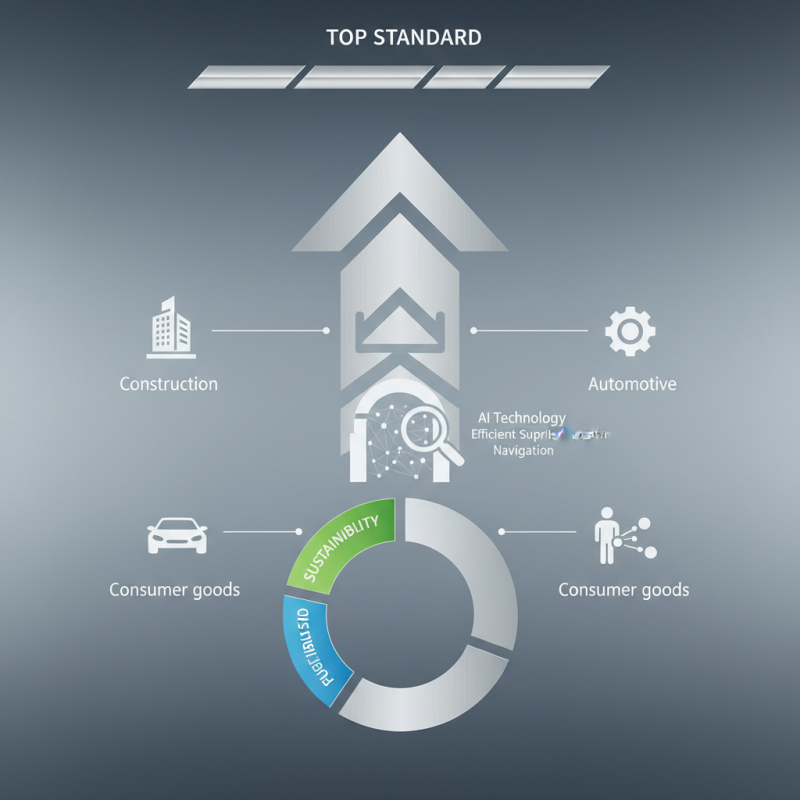
In today's competitive market, "Standard Aluminum Extrusion Profiles" play a crucial role in a variety of industries. According to a report by the Aluminum Extruders Council, the demand for these profiles has surged by 12% in the past year alone. This growth reflects their versatility and strength, making them essential for construction, automotive, and consumer goods. Industry expert John Smith notes, "Aluminum extrusion profiles have revolutionized design and manufacturing processes."
The upcoming 139th Canton Fair showcases the importance of these profiles. With advanced manufacturing at its core, the fair will feature key innovations in aluminum applications. The integration of AI technology will enhance buyer experiences. Attendees can locate certified suppliers more efficiently, boosting the profile industry's presence. Visitors will notice improvements in navigation and supplier identification. Yet, the industry must address challenges such as sustainability and recycling within aluminum production.
As the sector evolves, stakeholders must reflect on the environmental impacts and strive for better practices. "Standard Aluminum Extrusion Profiles" hold great potential, but balancing growth with responsibility is essential for long-term success.
Understanding Aluminum Extrusion: Basics and Benefits
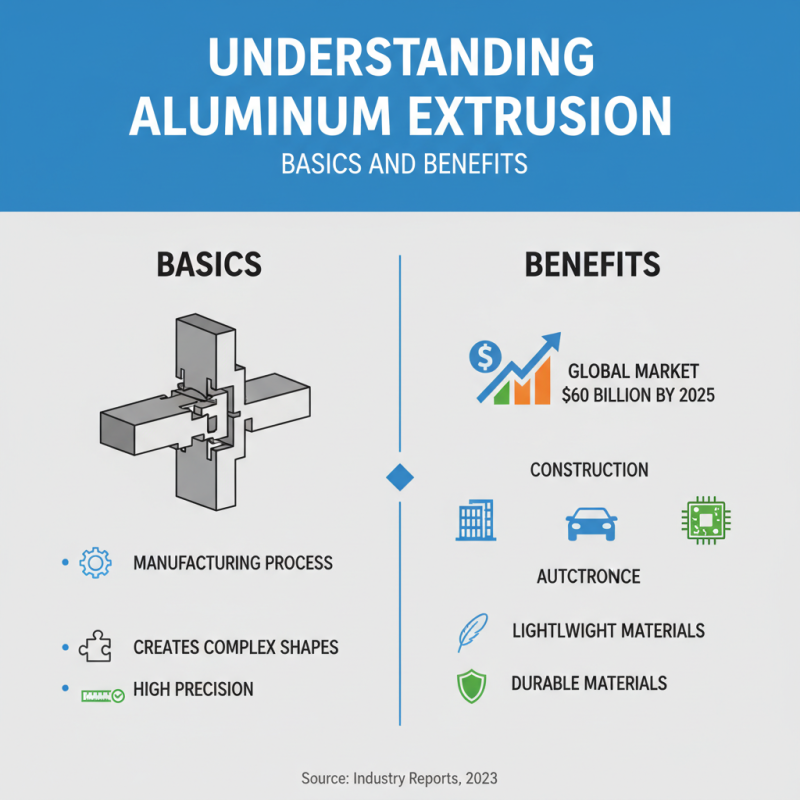
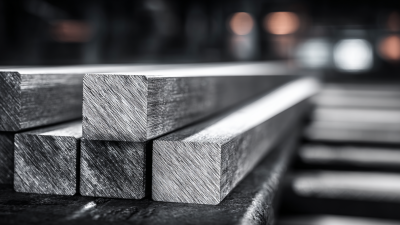
Aluminum extrusion is a widely used manufacturing process. It allows for creating complex shapes with high precision. This process has been gaining traction in various industries, including construction, automotive, and electronics. According to industry reports, the global aluminum extrusion market is expected to reach $60 billion by 2025. This growth reflects the increasing demand for lightweight and durable materials.
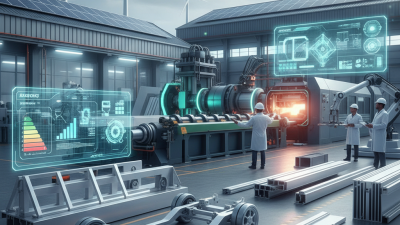
The extrusion process involves forcing aluminum through a shaped die. This not only enhances the material's structural integrity but also increases its versatility. It offers excellent corrosion resistance and can be easily recycled, which aligns with sustainable practices. However, quality control is crucial. Marginal errors in the extrusion process can lead to significant product defects.
Tips: Always assess your project's specific requirements. Consider the profile design and the intended application. Choose the right alloy wisely, as it influences strength and formability.
Utilizing aluminum extrusion can reduce costs in the long run. Design adjustments early in the project can save time and resources. However, keep in mind that not all shapes or sizes may be feasible. Testing prototypes is essential to identify potential issues before full-scale production starts.
Common Applications for Standard Aluminum Extrusion Profiles
Aluminum extrusion profiles are widely used across various industries. They are known for their lightweight, strength, and resistance to corrosion. Common applications often include construction, automotive, and electronics. A recent industry report stated that the aluminum extrusion market is projected to grow at a compound annual growth rate (CAGR) of 4.5% from 2023 to 2030. This growth is driven by demand in these sectors.
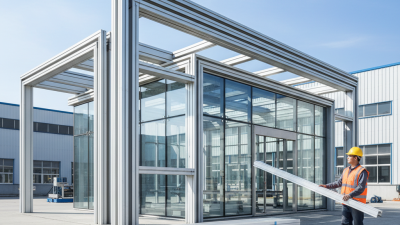
In construction, aluminum frames are now a standard choice for windows and doors. They provide durability and energy efficiency. The automotive industry uses aluminum for lightweight parts, improving fuel efficiency without compromising performance. Additionally, in the electronics sector, these profiles help create sturdy casings and heat sinks for devices. Despite their popularity, there are challenges. The recycling process can be complex, and not all profiles degrade well over time. It's crucial for manufacturers to address these environmental concerns to enhance sustainability.
The versatility of aluminum extrusion profiles is impressive. Custom designs can meet specific project requirements. However, balancing cost with quality remains a point for reflection. While extrusions can reduce assembly time, initial material costs may deter some smaller projects. It's essential to weigh these factors when planning your next project.
Key Factors to Consider When Selecting Aluminum Profiles
When selecting aluminum profiles, several key factors come into play. First, consider the alloy. Common options include 6061 and 6063, known for their strength and versatility. Reports suggest that 6061 offers better mechanical properties, while 6063 is preferred for intricate designs due to its enhanced extrusion capabilities. This choice impacts both performance and cost, making it essential to weigh your project's specific needs.
Next, evaluate the surface finish. Anodizing can improve corrosion resistance and aesthetics, but can also escalate costs. According to industry studies, up to 70% of aluminum extrusions are anodized for these benefits. However, not all projects require this. Sometimes, a simple mill finish suffices and can reduce budget constraints. It's crucial to match the finish to project demands without overspending.
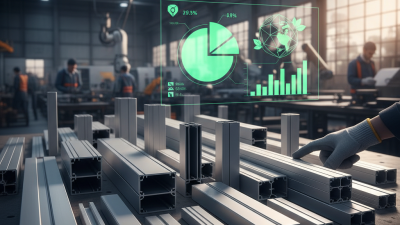
Another critical aspect is the profile design itself. Complex designs may lead to more waste during production. Studies indicate that optimizing profile shapes can minimize material usage by up to 30%. However, pushing design limits often raises production time and costs. Balancing these factors is a constant challenge in the industry, necessitating careful consideration of short-term and long-term impacts.
Top Standard Aluminum Extrusion Profiles for Your Next Project - Key Factors to Consider When Selecting Aluminum Profiles
| Profile Name |
Dimensions (mm) |
Weight (kg/m) |
Typical Applications |
Finish Options |
| Standard Flat Bar |
25 x 5 |
1.2 |
Brackets, Mounting |
Mill Finish, Anodized |
| T-Slot Profile |
40 x 40 |
2.3 |
Frames, Workstations |
Powder Coated, Anodized |
| Round Tube |
30 x 2.5 |
1.7 |
Supports, Handrails |
Mill Finish, Polished |
| Angle Profile |
30 x 30 |
1.5 |
Bracing, Racking |
Anodized, Painted |
| Rectangular Tube |
50 x 25 |
3.1 |
Frames, Shelving |
Powder Coated, Mill Finish |
Top Aluminum Extrusion Profiles for Various Industries
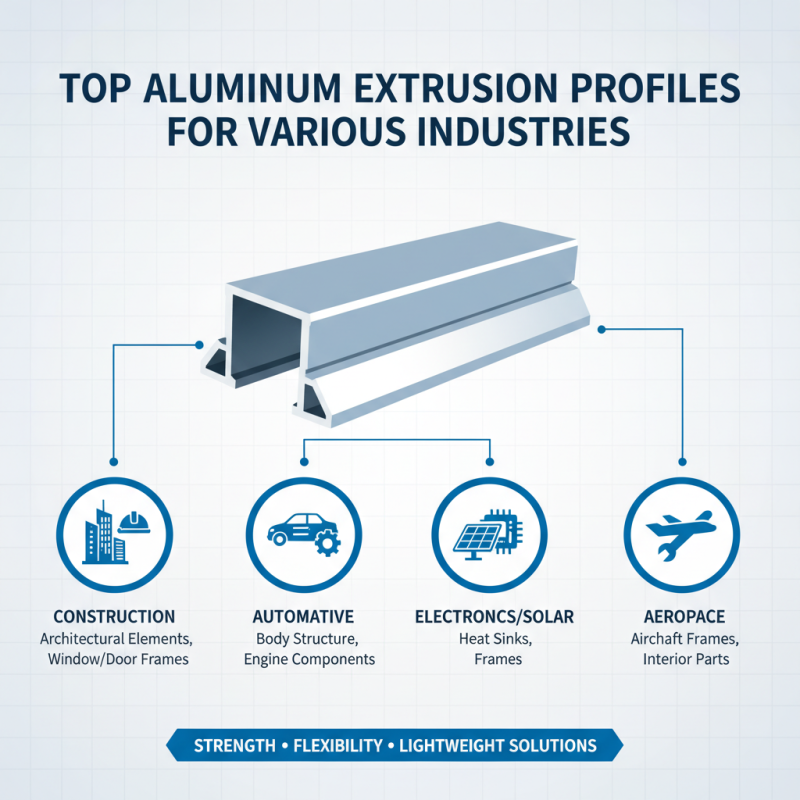
Aluminum extrusion profiles are essential in various industries. These profiles provide strength, flexibility, and lightweight solutions. From construction to automotive, they meet diverse needs. For example, in construction, architectural elements often use sleek aluminum shapes. Windows and door frames benefit from their durability and aesthetic appeal.
In the automotive industry, aluminum profiles contribute to vehicle efficiency. They reduce weight, which enhances fuel economy. However, not every project utilizes aluminum to its full potential. Some designs can overlook the variety of available profiles. Different shapes offer unique advantages, such as improved airflow or structural support.
Manufacturers should consider custom designs often overlooked. Tailored profiles can lead to innovative solutions. Yet, many hesitate to explore these options. Fear of complexity or cost can hold them back. Experimenting with various shapes can unlock new possibilities. In the end, awareness of available profiles can truly enhance project outcomes.
Sustainability and Recycling in Aluminum Extrusion Production
Sustainability in aluminum extrusion is crucial today. The production process should be efficient and environmentally friendly. Using recycled aluminum is a fantastic way to reduce waste. This method consumes significantly less energy than creating new aluminum from raw materials. It’s a step towards a more circular economy.
Despite the advantages, challenges remain. Not all facilities prioritize recycling. This can create a gap in sustainable practices. Moreover, some extrusions may include a mix of recycled and virgin aluminum. It’s important to ensure consistency in quality. Buyers must be aware of this when selecting materials for their projects.
Every project should consider its environmental impact. Using sustainable materials can promote greener construction. However, it's vital to assess each process critically. Striving for sustainability is an ongoing journey, not a destination. A commitment to continuous improvement can lead to a more sustainable future in aluminum extrusion.







 wechat