How to Source Industrial Aluminum Profiles for Your Business?
Sourcing industrial aluminum profiles is a crucial step for many businesses. These profiles serve a range of applications, from construction to manufacturing. Understanding how to find reliable suppliers can significantly impact product quality and cost efficiency.
When searching for industrial aluminum profiles, consider the supplier's experience. A company with a strong reputation in the industry often delivers better products and service. Quality control processes should be transparent. Look for suppliers that provide detailed certifications and test reports. This transparency builds trust and ensures that you receive materials that meet your project standards.
Pricing is another essential aspect, but it shouldn't be the only consideration. Often, cheaper options may compromise quality or service. Reflect on the long-term implications of sourcing decisions. Foster relationships with suppliers who prioritize communication and support. This can lead to better negotiating power and more favorable terms in the future.

Understanding Industrial Aluminum Profiles and Their Applications
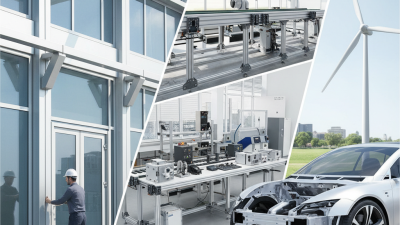
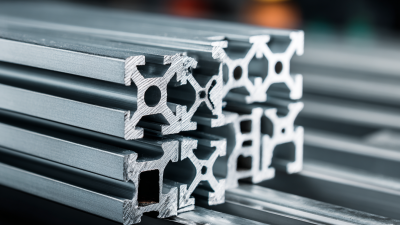
Industrial aluminum profiles are versatile components widely used across various sectors. They serve multiple functions, including structural support and framing in construction and manufacturing. Understanding their applications is essential for effective sourcing.
These profiles come in various shapes and sizes, which can be tailored to specific needs. For instance, they can be found in automation systems, where lightweight yet durable components are needed. In the automotive industry, they play a crucial role in lightweight vehicle design. Additionally, they find applications in furniture, where modern designs benefit from aluminum's sleek finish.
When sourcing these profiles, consider factors like quality and intended use. Not every supplier may provide materials that meet industry standards, leading to potential safety issues. It’s important to evaluate suppliers carefully. Balancing cost with quality can be challenging. Inconsistent product quality may affect production timelines. Always seek detailed specifications and certifications from potential sources to ensure reliability.
Identifying Your Business Needs for Aluminum Profiles
Identifying your business needs for aluminum profiles requires a clear understanding of your specific applications. According to a recent industry report, the demand for aluminum profiles is projected to grow by 4.5% annually until 2026. This growth is driven by the need for lightweight materials in industries such as automotive, construction, and aerospace. Assessing these needs begins with considering the types of products you manufacture. What dimensions and weight constraints do you require? Are you focusing on strength or aesthetics?
Evaluating your production processes is also critical. A field study revealed that companies optimize workflows significantly by selecting appropriate profiles. Misalignment can lead to inefficiencies and increased costs. It’s vital to match profile specifications with your machinery capabilities. Additionally, consider the environmental impact. Recycled aluminum profiles are becoming increasingly popular, with over 75% of all aluminum produced being recycled. This can appeal to eco-conscious clients and reduce your overall carbon footprint.
In addressing these needs, it's essential to involve your engineering and design teams early in the process. Aligning their insights with your business goals can enhance your selection. It's a complex task, and errors in choosing the right profile can cost time and resources. Reflecting on past sourcing experiences helps in fine-tuning strategies and avoiding repeated mistakes. Always be ready to adapt based on evolving industry standards and innovations.
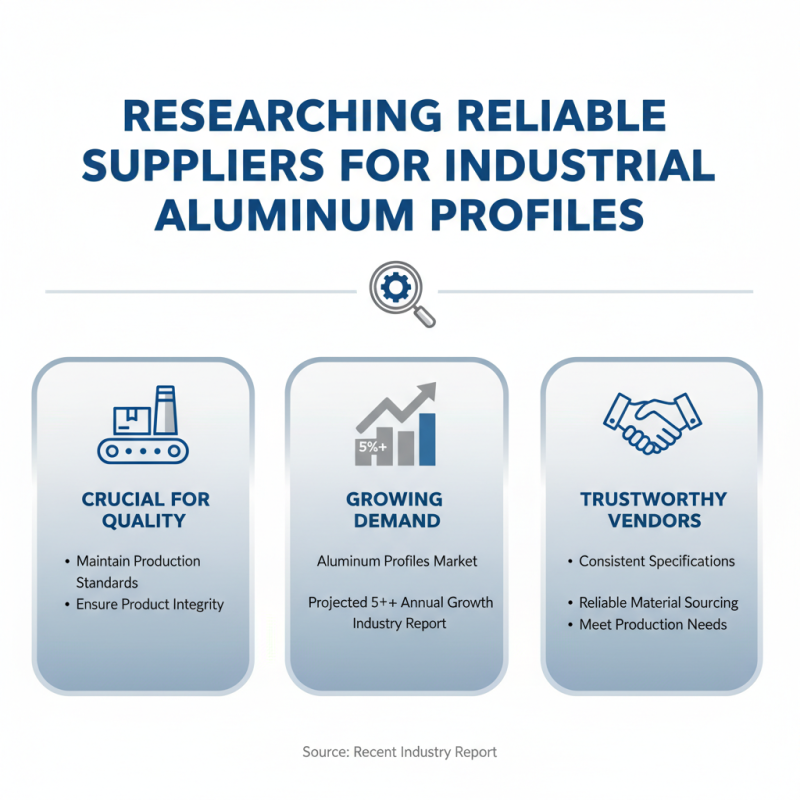
Researching Reliable Suppliers for Industrial Aluminum Profiles
Finding reliable suppliers for industrial aluminum profiles is crucial for maintaining quality in your production line. According to a recent industry report, the demand for aluminum profiles is projected to grow by over 5% annually. This trend underscores the importance of sourcing materials from trustworthy vendors who can meet your specifications consistently.
Start by assessing potential suppliers based on their track record. Look for companies with positive reviews and case studies that demonstrate their reliability. Industry certifications, such as ISO 9001, can also indicate a commitment to quality. However, not all suppliers will meet these standards, and it’s essential to be cautious. Some may promise more than they can deliver, leading to production delays.
Engage with suppliers directly to understand their processes. Inquire about their sourcing and manufacturing practices. This step is often revealing; you may find inconsistencies in their claims. A visit to their facilities can provide vital insights into their operations. It helps to build a relationship that is based on transparency and trust. Ultimately, the goal is to ensure that the profiles you source meet your quality and performance criteria, supporting your business's growth.
Evaluating Quality Standards and Certifications for Aluminum Products
When sourcing industrial aluminum profiles, evaluating quality standards is crucial. Many organizations, like the Aluminum Association, recommend checking for specific certifications. These include ISO 9001 for quality management systems and ASTM standards for material properties. Profiles that meet these criteria often exhibit better performance in real-world applications.
Moreover, the inspection of aluminum products should focus on parameters like tensile strength and corrosion resistance. According to a recent industry report, 70% of failures in aluminum structures stem from quality issues. Therefore, sourcing materials that adhere to established standards can significantly mitigate risks.
It is vital to consider the supplier’s credentials. A manufacturer with past certifications is often more reliable. However, relying solely on certifications can be misleading. Some companies may have valid certificates yet compromise on production processes. It’s essential to conduct audits and inspections. These practices help ensure that the supplied aluminum profiles meet the required quality standards.
Negotiating and Finalizing Purchasing Agreements with Suppliers
Negotiating and finalizing purchasing agreements with suppliers requires careful planning. Start with thorough research on potential suppliers. Understand their capabilities and production processes. Request samples to evaluate quality. This step is crucial. Low-quality materials can harm your reputation.
During negotiations, clarity is key. Outline your specific needs and expectations. Price, delivery timelines, and payment terms should be addressed upfront. Ask for flexibility in the agreement. Suppliers may offer better terms if you establish a good relationship. Keep lines of communication open; misunderstandings can lead to delays.
Expectations may evolve as you work together. Be ready to adapt your agreement if necessary. Reflect on your initial terms and assess their effectiveness regularly. This can help you identify areas for improvement in future negotiations. A successful partnership is built on trust and mutual understanding. Stay engaged and proactive throughout the process to ensure ongoing success.
Aluminum Profile Purchase Metrics: Factors Influencing Supplier Negotiation









 wechat