Essential Tips for Sourcing Architectural Aluminum Profiles?
Architectural aluminum profiles play a crucial role in modern construction. They are valued for their aesthetic appeal and structural integrity. According to a report by MarketsandMarkets, the global aluminum extrusion market size is projected to reach USD 82.4 billion by 2026, highlighting the growing demand for materials like architectural aluminum profiles.
Choosing the right profiles can significantly impact design and functionality. High-quality aluminum enhances energy efficiency, which is increasingly important in sustainable building practices. However, sourcing these materials isn't always straightforward. Factors such as supplier reliability, material certification, and cost-effectiveness require careful consideration.
Despite their benefits, challenges in sourcing often arise. Not all suppliers adhere to stringent quality standards. Some architectural aluminum profiles may not meet local building codes or sustainability certifications. Thus, understanding the nuances of sourcing is essential for architects and builders aiming for excellence in their projects.
Understanding the Importance of Architectural Aluminum Profiles in Construction
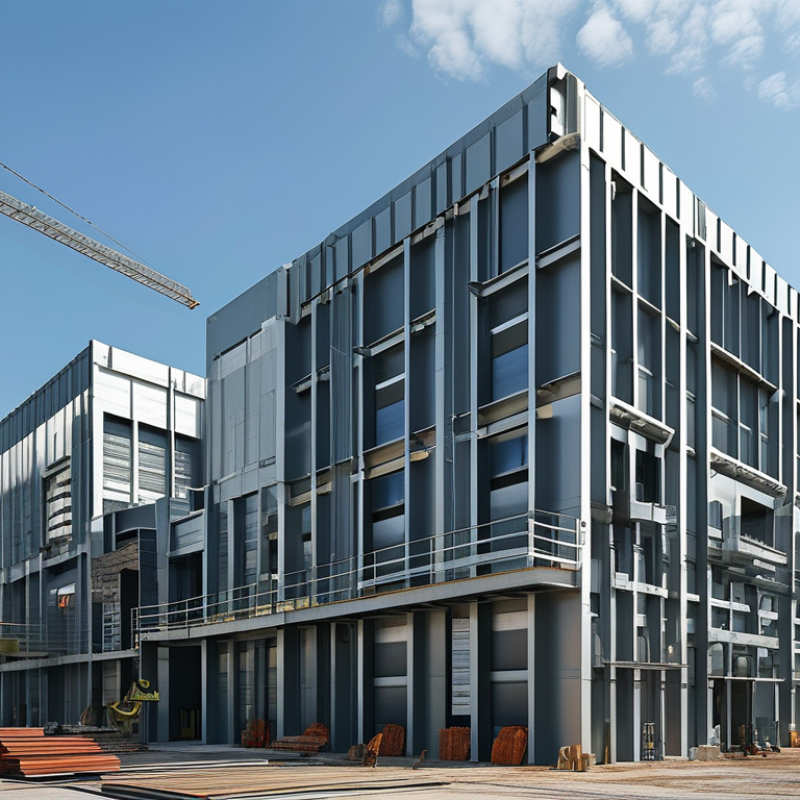
Architectural aluminum profiles play a crucial role in modern construction. They offer versatility in design and enhance the aesthetic appeal of buildings. These profiles are lightweight yet strong, making them ideal for various applications. From window frames to decorative facades, their importance cannot be overstated. Proper sourcing ensures not only quality but also compliance with safety standards.
When sourcing aluminum profiles, consider the supplier's reputation. Look for manufacturers with robust certifications and a proven track record. Quality materials yield better durability, which is essential in architectural applications. It's also wise to request samples to evaluate the finish and craftsmanship. Each detail matters, as imperfections can affect the overall design.
Keep in mind that aluminum profiles must meet specific project requirements. Always verify the alloy specifications. Some projects demand corrosion resistance, while others focus on thermal performance. Understanding these needs is essential. Be ready to adapt plans based on the available materials. This flexibility can lead to unexpected, yet innovative, design solutions. Remember, sourcing is not just about purchasing. It's about building long-term relationships with trusted suppliers.
Key Attributes of Architectural Aluminum Profiles
Key Factors Influencing the Selection of Aluminum Profile Suppliers
When sourcing architectural aluminum profiles, various factors come into play. Evaluating the supplier’s experience is crucial. Look for companies that have been in the industry for several years. Experienced suppliers often understand the nuances of aluminum materials. They can provide valuable insights into product options and applications.
Quality assurance is another vital factor. Suppliers should have certification for quality standards. This certification ensures that the aluminum profiles meet necessary specifications. A reliable supplier often shares production processes, offering transparency. This builds trust and helps you assess product consistency.
Pricing plays a significant role, but it should not overshadow quality. Comparing costs is essential, but be cautious of extremely low prices. Sometimes, lower prices indicate subpar materials or manufacturing processes. Building a relationship with your supplier can lead to better understanding and negotiation. Maintaining open communication allows for clarification of any doubts throughout the sourcing process.
Evaluating Quality Standards for Architectural Aluminum Profiles
When sourcing architectural aluminum profiles, evaluating quality standards is crucial. Begin by assessing the material's corrosion resistance. Aluminum must withstand various environmental conditions while maintaining its aesthetic appeal. Examine the surface finish closely. A smooth, uniform finish not only enhances durability but also elevates the building’s overall design.
Understanding the manufacturing process is vital to identify quality. This includes scrutinizing the extrusion methods used. Extrusions should align with international standards. Look for profiles that have been tested for structural integrity. Visual defects can sometimes be overlooked. Minor flaws could indicate underlying issues affecting performance in the long run.
Engaging with suppliers who prioritize transparency is essential. Request certifications and quality assurance documentation. This reveals their commitment to upholding stringent standards. However, there can be discrepancies between supplier claims and actual product quality. Conducting independent quality assessments may provide insights into potential red flags. Quality standards are not just about numbers; they also reflect reliability in construction.
Sustainability and Recycling in the Aluminum Profile Industry
Sustainability is increasingly crucial in the aluminum profile industry. The sector contributes significantly to global carbon emissions, prompting a push towards greener practices. In fact, aluminum production accounts for about 1% of global greenhouse gases according to the International Aluminum Institute. This statistic highlights the urgent need for more sustainable sourcing of materials.
Recycling plays a critical role in achieving sustainability. The aluminum recycling rate is impressively high, around 75%. This means that three-quarters of aluminum is recycled, which helps reduce energy consumption by up to 95% compared to primary aluminum production. Moreover, recycling not only conserves resources but also diminishes the environmental impact associated with mining bauxite. It is essential for companies to prioritize sourcing recycled aluminum profiles, as this approach also aligns with the growing consumer demand for sustainable products.
However, the industry still faces challenges. Many aluminum profiles are not made from recycled materials. This discrepancy reveals a gap between what can be done and what is currently practiced. Investing in recycling technologies and infrastructure could bridge this divide. Emphasizing sustainable design and sourcing methods within architectural projects can drive progress in this critical area, leading to a more sustainable future for construction and design.
Cost Analysis: Balancing Budget and Quality in Sourcing Aluminum Profiles
When sourcing architectural aluminum profiles, balancing budget and quality is crucial. Often, manufacturers provide various options that
can fit a wide range of budgets. However, cheaper materials may compromise structural integrity. It’s essential to examine the specifications
carefully. Look for details like alloys, temper, and surface finishes. Sometimes, a small increase in budget leads to better longevity and
performance.
Cost analysis goes beyond just the initial expense. Consider the long-term benefits of investing in higher-quality aluminum profiles.
Inferior options can lead to frequent repairs or replacements. This reflects not only costs but also might disrupt project timelines.
Communication with suppliers is key. Discussing needs upfront can help streamline options. Remember to ask about warranties and quality
testing methods.
Reflection on past sourcing experiences can also guide decisions. Have previous choices aligned with project goals? Did budget cuts have
lasting negative effects? Learning from these insights helps refine future sourcing strategies. Analyzing the balance of cost versus quality
can inform smarter, more reliable purchasing moves in the architectural aluminum market.









 wechat