Essential Tips for Sourcing Aluminum Profiles Globally?
The global aluminum profile market is witnessing exceptional growth, driven by rising demand across various industries. As per a 2022 report by Mordor Intelligence, the market is projected to expand at a CAGR of over 6% from 2023 to 2028. This indicates significant opportunities for businesses looking to source aluminum profiles from diverse regions worldwide.
Sourcing aluminum profiles can be complex. Factors such as material quality, supplier reliability, and cost competitiveness must be assessed. Notably, the increasing focus on sustainability has pushed manufacturers to adapt their processes, impacting the supply chain. Companies may encounter challenges in ensuring that their suppliers meet environmental standards, which complicates sourcing decisions.
Moreover, with the market's evolution, companies need to reflect on their sourcing strategies. Engaging with multiple suppliers can enhance procurement efficiency but may result in disparities in quality. Understanding regional market dynamics is also crucial. Companies that effectively navigate these complexities can potentially unlock significant value in their operations.
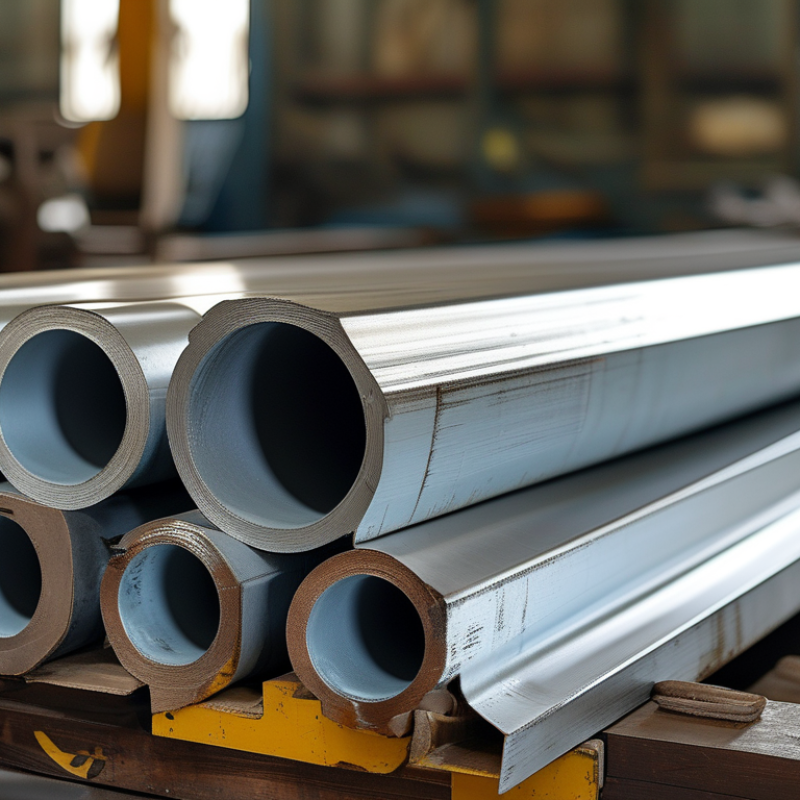
Understanding the Global Aluminum Profile Market Dynamics
Understanding the dynamics of the global aluminum profile market is essential for effective sourcing. Various factors shape this industry. Demand fluctuates with trends in construction and automotive sectors. Regions like Asia-Pacific, North America, and Europe exhibit differing consumption patterns. Awareness of these regional variances helps in making informed decisions.
The aluminum profile market isn't solely driven by demand. Supply chain challenges also play a role. Sourcing from different countries can come with risks. Political unrest and tariffs may disrupt supply chains. It's important to assess potential suppliers thoroughly. Verifying their reliability is crucial. This process may feel tedious, but it protects your business from unexpected shortages.
Price variations can complicate the sourcing process. Factors such as raw material costs and labor affect pricing. Developing relationships with multiple suppliers may provide leverage. However, this approach requires careful management and constant monitoring. Staying updated with market trends is vital. Ignoring shifts might lead to missed opportunities or increased costs.
Identifying Reliable Suppliers for Aluminum Profiles Worldwide
When seeking reliable suppliers for aluminum profiles, understanding the market landscape is crucial. Start by researching manufacturers and distributors in various countries. Online platforms and trade shows can be valuable resources. However, not every supplier that appears reputable actually delivers quality products. It's important to verify their credibility through reviews and business accreditation.
Engage directly with potential suppliers. Ask specific questions about their manufacturing processes, material sourcing, and quality control measures. Request product samples to assess their workmanship firsthand. Look for suppliers with solid industry experience and a portfolio that showcases their capabilities. Don't overlook communication; clear and responsive dialogue can reflect a supplier's professionalism.
While exploring options, be cautious of too-good-to-be-true offers. Price should not be the sole factor in your decision-making process. Examine the supplier's payment terms, shipment methods, and after-sales support. Establishing a trustworthy relationship often requires time and effort, and sometimes even a few missteps serve as lessons for future engagements. Trust your instincts, and don’t hesitate to walk away if anything feels off.
Evaluating Quality Standards in Aluminum Profile Sourcing
When sourcing aluminum profiles globally, evaluating quality standards is crucial. Aluminum is a versatile material, widely used across industries. According to the Aluminum Association, the global aluminum market is expected to grow to $189 billion by 2026. This growth underscores the importance of ensuring quality in aluminum sourcing.
One essential aspect of quality evaluation is compliance with international standards. Certifications such as ISO 9001 provide a framework for quality management systems. In a recent study by the International Organization for Standardization, companies with ISO 9001 certification reported a 10% increase in customer satisfaction. This data suggests that adherence to these standards can significantly impact overall performance.
Additionally, understanding the material properties of aluminum is vital. Factors such as alloy composition and processing methods affect the final product's strength and durability. A report from the American Society for Testing and Materials highlights that improper sourcing can lead to defects, costing companies 20% of their total production in rework and waste. Being mindful of these elements allows businesses to avoid costly mistakes and ensure the reliability of their aluminum profiles.
Global Aluminum Profiles Sourcing Quality Standards
Negotiating Pricing and Terms for International Aluminum Purchases
When negotiating pricing and terms for international aluminum purchases, understanding market dynamics is crucial. Prices fluctuate due to global demand and supply conditions. Researching current trends helps establish a baseline for negotiation. Engaging with multiple suppliers can also provide leverage. If one supplier offers a lower rate, it can encourage competitors to adjust their pricing.
Effective communication is key in negotiations. Clear expectations regarding quantity, delivery timelines, and payment terms should be outlined. It's common for misunderstandings to arise in international deals. Consider cultural differences in negotiation styles and be prepared for varied approaches. Finding common ground requires patience and adaptability.
Be wary of hidden costs that can arise in international transactions. Duties, shipping fees, and currency exchange rates can significantly impact the final price. Always ask for a complete breakdown of costs in the initial stages. Reflect on previous negotiations to identify areas for improvement. Learning from past experiences will refine your approach in future dealings.
Essential Tips for Sourcing Aluminum Profiles Globally
| Aspect |
Details |
| Understanding Costs |
Consider raw material prices, labor costs, shipping fees, and tariffs. |
| Supplier Selection |
Evaluate suppliers based on reputation, quality, and reliability. |
| Negotiation Strategies |
Be prepared with market research to negotiate better terms. |
| Payment Terms |
Discuss payment methods, deposit requirements, and credit terms. |
| Quality Assurance |
Request certifications and samples to verify quality standards. |
| Shipping and Logistics |
Consider lead times and logistics partners for efficient delivery. |
| Legal Considerations |
Understand international trade laws and agreements that affect purchases. |
Logistics and Import Considerations for Aluminum Profiles
Logistics play a crucial role when sourcing aluminum profiles globally. Careful planning is essential to ensure timely delivery and cost-effectiveness. One of the first steps is to choose the right shipping method. Air freight is fast but expensive. Sea freight is economical but takes longer. Assess the urgency of your needs when making this decision.
Import regulations can vary significantly by country. It's vital to familiarize yourself with tariffs, taxes, and documentation requirements. An incomplete set of paperwork can lead to delays at customs. Engaging a local import specialist can simplify this process and reduce risks. This expert can help you navigate these complexities and ensure compliance with local laws.
Communication with suppliers is also critical. Discuss lead times, production capabilities, and quality standards upfront. Understand that misunderstandings can arise due to language barriers or cultural differences. Establishing clear expectations can help mitigate these issues. Regular updates can keep your project on track and address any unexpected challenges along the way.










 wechat