2026 How to Source Channel Aluminum Extrusion Profiles Effectively?
In the realm of manufacturing, sourcing Channel Aluminum Extrusion Profiles efficiently has become crucial. The global aluminum extrusion market is projected to reach $70 billion by 2026, highlighting the growing demand for specialized profiles. Companies face pressures to deliver high-quality products while maintaining cost-effectiveness.
Channel Aluminum Extrusion Profiles are widely used across various industries, including construction and automotive. However, sourcing these profiles can be challenging due to fluctuating material costs and supplier reliability. A recent industry report emphasized that 45% of manufacturing delays stem from sourcing issues, underlining the importance of effective supplier management.
Building strong relationships with suppliers is key. This includes assessing quality certifications and previous performance records. Potential buyers must also reflect on their own needs, ensuring that they communicate specific requirements clearly. With the right strategies, companies can overcome the hurdles in sourcing and enhance their operational efficiency.
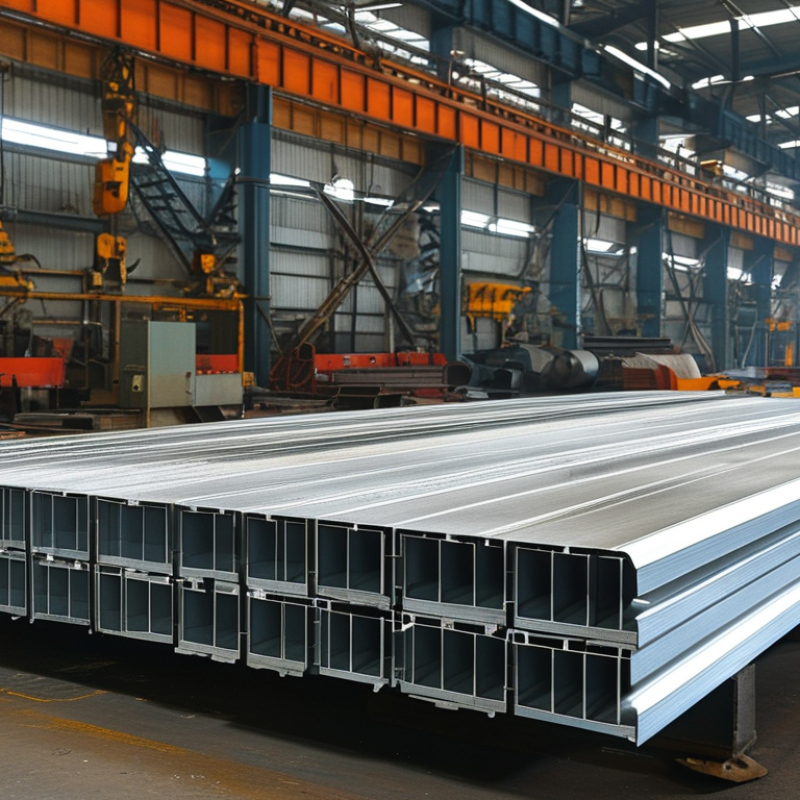
Understanding Aluminum Extrusion Profiles and Their Applications
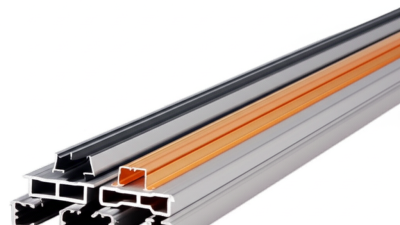
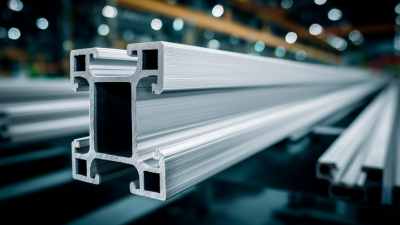
Aluminum extrusion profiles serve various industries. They provide unique solutions for structural and aesthetic needs. Their versatility makes them popular in manufacturing. Commonly used in construction, automotive, and electronics, aluminum profiles enhance product performance. The lightweight nature of aluminum makes it easy to transport and manipulate.
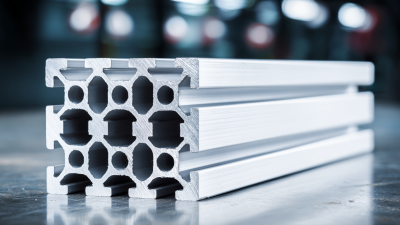
Different shapes and sizes exist within the realm of aluminum extrusion. For instance, T-slots and angles are commonly used in framing applications. These profiles can be anodized or painted for added durability. However, sourcing quality materials can be challenging. Sometimes, specifications may not meet expectations. Overlooking details can lead to significant issues in production.
Understanding the application of aluminum profiles is critical. This knowledge ensures that the right profile is chosen for each project. Engaging with suppliers who have expertise in aluminum extrusion is vital. Their insights can guide decision-making. Reliable sourcing enhances product quality and reduces costs in the long run.
Identifying Reliable Suppliers for Channel Aluminum Extrusions
When sourcing channel aluminum extrusion profiles, identifying reliable suppliers is crucial. A strong supplier network ensures high-quality materials and timely delivery. Begin by assessing the supplier’s manufacturing capabilities. Look for companies with modern equipment and skilled labor. This combination often indicates reliable production standards.
Evaluating past projects or client testimonials can provide insight into a supplier’s reliability. Positive reviews can confirm their commitment to quality, while red flags might indicate past issues. It’s also beneficial to visit suppliers if possible. Observing their operations firsthand can reveal production practices and adherence to quality control.
Consider the geographic location of suppliers too. Proximity can influence shipping costs and lead times. However, some overseas suppliers may offer competitive pricing. Look for certifications that demonstrate adherence to industry standards. This can enhance your confidence in their reliability. Always foster open communication with potential suppliers to clarify their capabilities and expectations. This proactive approach can prevent misalignments later.
Evaluating Quality Standards for Aluminum Extrusions
When sourcing channel aluminum extrusion profiles, evaluating quality standards is crucial. The right standards ensure durability and performance. Factors like alloy composition and mechanical properties matter. Look for profiles that meet industry standards like ASTM or ISO certificates. These provide a baseline for quality.
Inspecting physical properties helps too. Check for uniformity in wall thickness and surface finish. Variations can indicate poor manufacturing practices. Pay attention to the anodizing process as well. A consistent finish not only enhances appearance but improves corrosion resistance.
It’s important to collaborate with trusted suppliers. Build relationships that encourage transparency. They should provide material test reports. If a supplier hesitates or lacks documentation, reconsider. Moreover, don’t overlook the importance of reviews and testimonials. Qualitative feedback from other customers can provide insights into reliability. Assessing these elements can prove challenging but remains essential for long-term success.
2026 How to Source Channel Aluminum Extrusion Profiles Effectively? - Evaluating Quality Standards for Aluminum Extrusions
| Dimension (mm) |
Weight (kg/m) |
Temper |
Surface Treatment |
Applications |
| 30 x 30 |
1.10 |
6063-T5 |
Anodized |
Furniture, Architectural |
| 40 x 20 |
0.80 |
6060-T5 |
Powder Coated |
Industrial, Frames |
| 50 x 50 |
1.50 |
6061-T6 |
Mill Finish |
Construction, Automotive |
| 80 x 40 |
2.20 |
6063-T6 |
Brushed |
Lighting, Displays |
| 100 x 50 |
2.60 |
6061-T5 |
Anodized |
Machinery, Railings |
Cost Considerations When Sourcing Aluminum Extrusions
When sourcing aluminum extrusions, cost is a significant factor. According to a recent report by the Aluminum Association, the average cost of aluminum has risen by 22% over the last year. This increase directly impacts the cost of manufacturing aluminum profiles. Therefore, businesses need to carefully evaluate their sourcing strategies.
One effective tip is to assess multiple suppliers. Data suggests that sourcing aluminum from different regions can lead to savings. For instance, comparing domestic and overseas suppliers may uncover better pricing. However, shipping costs and lead times should also be considered. The right balance between cost and delivery efficiency is essential.
Another consideration is material quality. Often, lower initial costs can mean lower-quality aluminum. In a study by the International Aluminum Institute, it was found that utilizing high-quality material could enhance product durability by up to 30%. A supplier's long-term reliability and material certification can greatly influence the total cost of ownership.
Evaluate potential suppliers not just on price, but also on their production capabilities and consistency in quality. A little bit of research can save significant expenses down the line.
Best Practices for Negotiating with Suppliers in the Industry
Negotiating with suppliers in the aluminum extrusion industry requires a blend of strategy, insight, and experience. Start with thorough research on potential suppliers. Understand their capabilities, pricing structures, and lead times. This knowledge provides leverage when discussing terms. Build a relationship, as trust can lead to better negotiations and terms over time.
Tip: Always ask for samples. Before committing to large orders, request samples of extrusion profiles. This ensures quality meets your project's needs.
Understand your own requirements clearly. Know the specifications you need from the aluminum profiles. If you are vague, suppliers may not meet your expectations. Setting clear objectives helps avoid misunderstandings later.
Tip: Be open about your budget. Discussing budget constraints allows suppliers to offer solutions that fit your financial limits. This creates opportunities for creative solutions.
Effective negotiation isn't just about price. Consider long-term partnerships that could benefit both parties. Explore options such as volume discounts or bundled services.
Tip: Stay flexible. Sometimes, suppliers might present alternatives you haven’t considered. Being open to their suggestions can lead to better overall outcomes.






 wechat