What is Channel Aluminum Extrusion Profiles and Their Benefits?
Channel Aluminum Extrusion Profiles are versatile structural components used in various industries. These profiles are crafted through a process that shapes aluminum into specific channel forms. This allows for unique applications in construction, transportation, and manufacturing.
One significant benefit of Channel Aluminum Extrusion Profiles is their lightweight nature. They provide strength without the added burden of heavy materials. This quality makes them ideal for projects where weight is a critical factor. Additionally, they are corrosion-resistant, which enhances their longevity and durability.
However, it's essential to consider that not all channels suit every application. Understanding specific requirements is crucial. While these profiles offer numerous advantages, potential users should reflect on their project needs. This thoughtful approach can lead to better decision-making and optimal outcomes.
What are Channel Aluminum Extrusion Profiles?
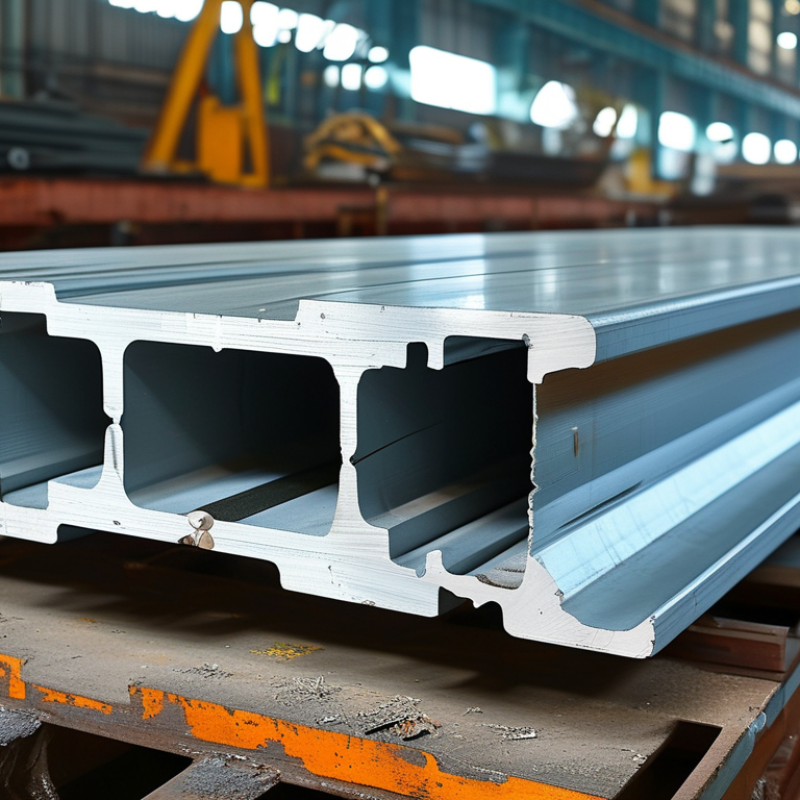
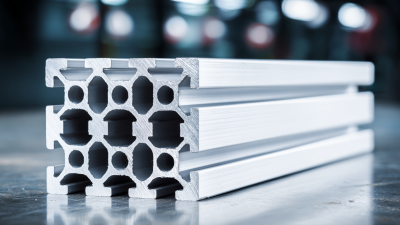
Channel aluminum extrusion profiles are versatile components widely used in various industries. These profiles come in different shapes, mainly resembling a channel. They are manufactured by pushing heated aluminum through a die, which is shaped according to the desired cross-section. This process allows for precise dimensions and a smooth finish. Many sectors, from construction to lighting, benefit from their unique properties.
One key benefit of channel aluminum extrusion is its lightweight nature. This feature makes it easy to handle during installation. Additionally, aluminum is resistant to corrosion, ensuring that the profiles maintain their appearance over time. This longevity is crucial for projects that require durability without frequent replacement.
When considering channel aluminum extrusion, think about its applications. It’s not just about strength; it’s also about aesthetics. The right finish can enhance the overall look of a project. However, users should bear in mind the need for proper fabrication techniques. Poorly executed joints can compromise structural integrity. Always prioritize quality in both the materials and the processes used.
Key Characteristics of Channel Aluminum Extrusions
Channel aluminum extrusions are versatile components widely used in construction and manufacturing. One of their key characteristics is their strength-to-weight ratio. This property allows them to support heavy loads while remaining lightweight. As a result, they are ideal for various applications, from structural supports to decorative trims.
Another defining feature is their corrosion resistance. Aluminum naturally forms a protective oxide layer. This makes channel extrusions suitable for environments that require durability against moisture and chemicals. Additionally, they can be easily anodized or painted, enhancing their aesthetic appeal and longevity. This flexibility in finishes caters to different design requirements.
Moreover, channel aluminum extrusions are customizable. They can be tailored to specific dimensions and designs, allowing for unique architectural solutions. However, this customized approach requires careful planning and precise execution. There may be mistakes during the design phase that lead to unanticipated costs. Considering these factors is crucial in achieving the desired results.
Applications of Channel Aluminum Profiles in Various Industries
Channel aluminum profiles are widely used in various industries, showcasing their versatility and strength. In the construction sector, they provide structural support and are often used in window frames and railings. Their lightweight nature makes them easy to handle and install. Additionally, they resist corrosion, making them ideal for outdoor applications.
In the automotive industry, channel aluminum profiles contribute to vehicle design. Manufacturers use them to create lightweight components, enhancing fuel efficiency. These profiles can be found in chassis and body frames, where strength and weight are crucial factors. Their ability to be customized into different shapes allows engineers to innovate efficiently.
The electronics sector also benefits from channel aluminum. They help in housing electrical components, ensuring proper cooling through heat dissipation. However, not all applications will see immediate success. Designers must assess the profile's suitability for each project. Challenges like machining precision or finish quality may arise, leading to potential redesigns. Nevertheless, the adaptability of channel aluminum profiles remains a strong advantage across industries.
What is Channel Aluminum Extrusion Profiles and Their Benefits? - Applications of Channel Aluminum Profiles in Various Industries
| Industry |
Application |
Benefits |
Materials Used |
| Construction |
Structural components |
Lightweight, corrosion resistant |
Aluminum alloy 6063 |
| Transportation |
Rail and truck body framing |
Durability, weight reduction |
Aluminum alloy 6082 |
| Electronics |
Housing and heat sinks |
Excellent thermal conductivity |
Aluminum alloy 6061 |
| Aerospace |
Aircraft frames |
High strength-to-weight ratio |
Aluminum alloy 7075 |
| Renewable Energy |
Solar panel frames |
Recyclable, lightweight |
Aluminum alloy 6005 |
The Advantages of Using Aluminum Channel Extrusions over Other Materials
Aluminum channel extrusions offer numerous advantages that set them apart from other materials. They are lightweight yet incredibly strong, making them ideal for various applications. This combination of strength and low weight leads to easier handling and installation. Additionally, aluminum is resistant to corrosion, which enhances the durability of channel profiles in harsh environments.
Another significant benefit is the flexibility in design. Aluminum can be easily customized to meet specific requirements, allowing for unique shapes and sizes. This adaptability makes it suitable for projects in construction, automotive, and furniture sectors. While steel and plastic may provide some similar benefits, they often fall short in terms of weight, installation efficiency, and overall design versatility.
However, the preference for aluminum may sometimes be based on perception rather than practical needs. Its cost can be higher compared to other materials. Additionally, some may overlook aluminum’s recyclability and environmental benefits. Despite these concerns, the practical advantages of aluminum channel extrusions often outweigh the drawbacks, making them a worthy consideration for many projects.
Market Trends and Growth Projections for Aluminum Extrusion Industry
The aluminum extrusion industry is witnessing significant growth. This surge is fueled by increased demand across various sectors, including construction and automotive. Market research indicates that energy efficiency and sustainability are driving trends in aluminum usage. These factors will likely shape future market dynamics.
Channel aluminum extrusion profiles play a crucial role in these developments. Their lightweight and durable nature make them ideal for various applications. Moreover, manufacturers are focusing on innovative production techniques to enhance the quality of these profiles. But challenges remain. The industry must address issues like energy consumption during production.
Experts predict a steady rise in the aluminum extrusion market. This growth is linked to infrastructure development in emerging economies. Companies are adapting to changing consumer preferences. Investing in new technologies is essential. However, finding a balance between cost and sustainability is an ongoing challenge. The journey of adapting to market demands continues.
Market Trends and Growth Projections for Aluminum Extrusion Industry
The aluminum extrusion industry is witnessing significant growth, with revenues projected to increase from $29 billion in 2020 to $50 billion by 2025. This growth is driven by the rising demand for aluminum profiles in various applications, including construction, transportation, and electronics.










 wechat