How to Choose the Right Aluminum Extrusion Tube Profiles?
Choosing the right Aluminum Extrusion Tube Profiles can significantly impact product performance. Industry expert Dr. Jane Smith once stated, "Selecting the perfect profile is crucial for maximizing efficiency and durability." This highlights the importance of careful consideration in this process.
Aluminum extrusion offers versatility in design. Profiles come in various shapes and sizes, each serving distinct functions. Understanding material properties and application needs is essential. An ill-informed choice can lead to structural weaknesses or functional failures.
In the ever-evolving landscape of manufacturing, staying informed is vital. Trends and technologies shift rapidly. Constant learning and adapting are necessary. Being open to feedback and understanding market demands will help refine the selection process. Striving for the best Aluminum Extrusion Tube Profiles can lead to lasting success and innovation.
Understanding Aluminum Extrusion: Basics and Benefits
Aluminum extrusion is a process that shapes aluminum into desired profiles for various applications. This method offers weight savings, strength, and design flexibility. According to a report from the Aluminum Association, the North American aluminum extrusion market was valued at approximately $3.4 billion in 2021, indicating a growing industry. The versatility of aluminum extrusion makes it ideal for both commercial and industrial uses.
Selecting the right aluminum extrusion tube profile begins with understanding its benefits. Extrusion provides excellent structural integrity. The process allows for complex shapes that are difficult to achieve with other materials. Additionally, extruded aluminum is resistant to corrosion, enhancing its longevity in harsh environments. Industry data suggests that extruded aluminum can reduce energy consumption in buildings by 25% compared to traditional materials, underscoring its sustainability advantages.
While there are numerous benefits, challenges persist. Not all profiles fit every application seamlessly. Designers may face difficulties in balancing aesthetic appeal with structural requirements. A miscalculation in thickness or shape can lead to weaknesses. Learning from past projects can help mitigate these issues, ensuring the chosen profile meets the specific needs of the application while maximizing durability and performance.
How to Choose the Right Aluminum Extrusion Tube Profiles
| Profile Type |
Dimensions (mm) |
Weight (kg/m) |
Applications |
Surface Finish |
| Round Tube |
20 x 1.5 |
0.8 |
Furniture, Framework |
Anodized |
| Square Tube |
40 x 40 x 2.5 |
1.5 |
Construction, Signage |
Powder Coated |
| Rectangular Tube |
30 x 20 x 1.5 |
0.9 |
Automotive, Support Structures |
Brushed |
| Custom Profile |
Varies |
Varies |
Special Applications |
Natural Finish |
Identifying Your Project Requirements for Aluminum Profiles
When selecting the right aluminum extrusion tube profiles, understanding your project requirements is crucial.
Different projects demand unique specifications such as length, shape, and strength. Start by outlining the purpose of your project.
Will the tube carry weight, or is it for aesthetic purposes? Each requirement helps narrow down your options.
Consider load-bearing needs. Heavy-duty applications require thicker walls for durability. Aesthetic designs may prioritize lighter profiles with intricate shapes.
Identify environmental factors too. Will these tubes be used indoors or outdoors? Exposure to elements can influence your material choice.
Tips for selecting profiles include visualizing the final product. Sketching your design can clarify measurements and dimensions.
Engage with professionals who can provide insights. Their expertise can reveal potential challenges you might overlook.
Testing prototypes is also beneficial. It provides real-world feedback on your choices. Remember, a well-informed decision today contributes to your project’s success tomorrow.
Evaluating Different Aluminum Alloy Options and Their Characteristics
When selecting aluminum extrusion tube profiles, evaluating different aluminum alloys is crucial. Different alloys offer unique characteristics that can impact the performance of your project. Commonly used alloys include 6061 and 6063, each with specific properties that cater to distinct applications. For instance, 6061 is known for its excellent mechanical properties and weldability. This makes it a popular choice for structural applications.
On the other hand, 6063 provides superior aesthetics and is often used in architectural applications. Its ability to be shaped into complex forms allows for innovative designs. However, it is generally less strong than 6061. Understanding these differences is important. It can lead to better project outcomes.
It’s also worth recognizing that the choice of alloy isn't always straightforward. Sometimes the production process can affect the final product's quality. Factors such as heat treatment and manufacturing practices play a significant role. Consider reaching out to industry experts to gain insights. They may guide you toward the right choice based on your project requirements. Always weigh the pros and cons of each alloy to ensure it aligns with your intended use.
Selecting the Appropriate Shape and Design for Functionality
When selecting aluminum extrusion tube profiles, the shape and design must align with functionality. Each profile impacts strength, weight, and aesthetics. For instance, a round tube might provide maximum strength in applications needing high resistance to bending. Conversely, square profiles offer better load distribution, making them ideal for structural frameworks.
Consider the environmental factors as well. Exposure to moisture, chemicals, or extreme temperatures can influence the choice of profile. A well-engineered design factors in these elements. It may seem easier to pick a standard shape, but this often leads to inefficiencies. Custom designs may involve higher initial costs, but they often pay off in performance and durability.
It is important to evaluate the manufacturing process. Some profiles are easier to produce than others. Understand the trade-offs between complexity and functionality. A simplified design can streamline production but may limit performance. Reflecting on the choices made can lead to better long-term solutions. The goal is to find a balance that meets functional requirements without compromising durability.
Aluminum Extrusion Tube Profiles: Choosing the Right Shape and Design
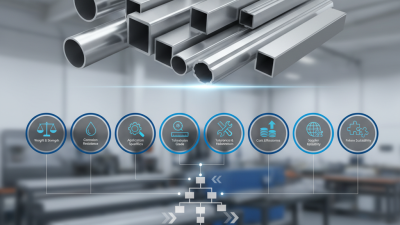
This chart illustrates the popularity of different aluminum extrusion tube profiles based on their typical applications in various industries. Each profile's effectiveness is categorized based on functionality, weight, and cost-efficiency.
Considering Cost, Manufacturing, and Delivery Factors in Your Decision
Choosing the right aluminum extrusion tube profiles involves careful consideration of several factors. Cost is usually at the forefront of decision-making. While it’s tempting to choose the cheapest option, you must evaluate the overall value. Sometimes, lower initial costs lead to more expenses in the future. Quality may suffer, resulting in costly repairs or replacements.
Manufacturing capabilities are another crucial aspect. Understanding how the extrusion process works can help in selecting the right profiles. Not all manufacturers have the same expertise or facilities. Inspecting their production methods can reveal potential issues. Flaws in manufacturing can lead to inconsistencies and wastage, complicating your projects.
Delivery factors shouldn't be overlooked. Efficient logistics can make or break your timeline. Ensure that the supplier can meet your scheduling needs. Delays can disrupt your plans significantly. Think about buffer times when ordering your profiles. When time matters, a reliable supplier makes all the difference.
Evaluate the entire process, not just pricing. Quality materials, reliable manufacturers, and trustworthy delivery systems are worth investing in. Discovering the right balance is essential for successful projects. Reflect on past experiences and adjust your approach for future purchases.







 wechat