10 Essential Tips for Choosing Aluminum Tube Profiles
Choosing the right Aluminum Tube Profiles is crucial for any engineering or manufacturing project. Renowned expert John Smith, a materials engineer with over 20 years of experience, emphasizes, "The right profile can significantly enhance performance." His words highlight the importance of informed decisions in this field.
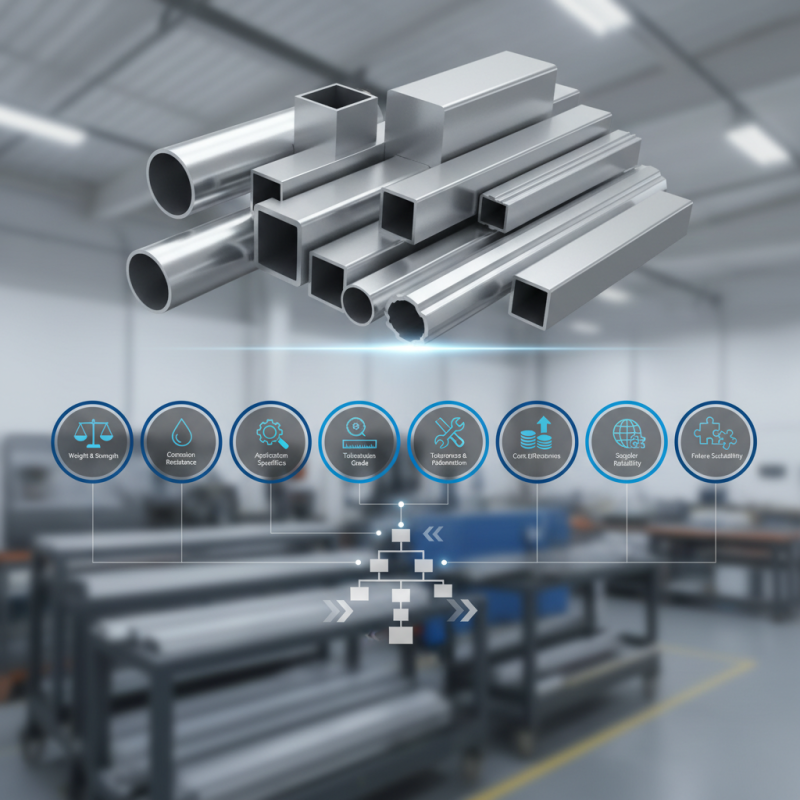
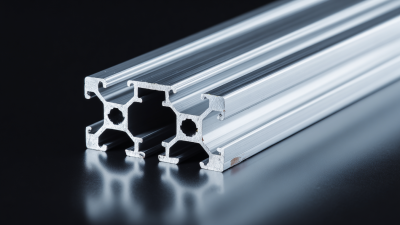
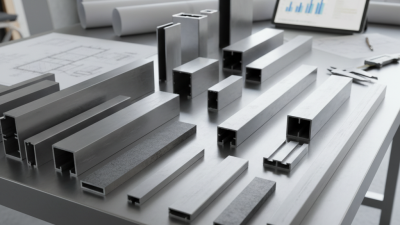
Aluminum Tube Profiles come in various shapes and sizes. Selecting the right one requires careful consideration. Factors like weight, strength, and corrosion resistance play a key role. Each project has unique demands, and sometimes, the perfect profile isn't obvious.
Understanding these complexities is essential. Often, designers overlook critical details. This can lead to costly mistakes later. Therefore, it’s imperative to evaluate all options thoroughly. With the right information, the ideal Aluminum Tube Profile can elevate the quality of any project.
Understanding Aluminum Tube Profiles and Their Applications
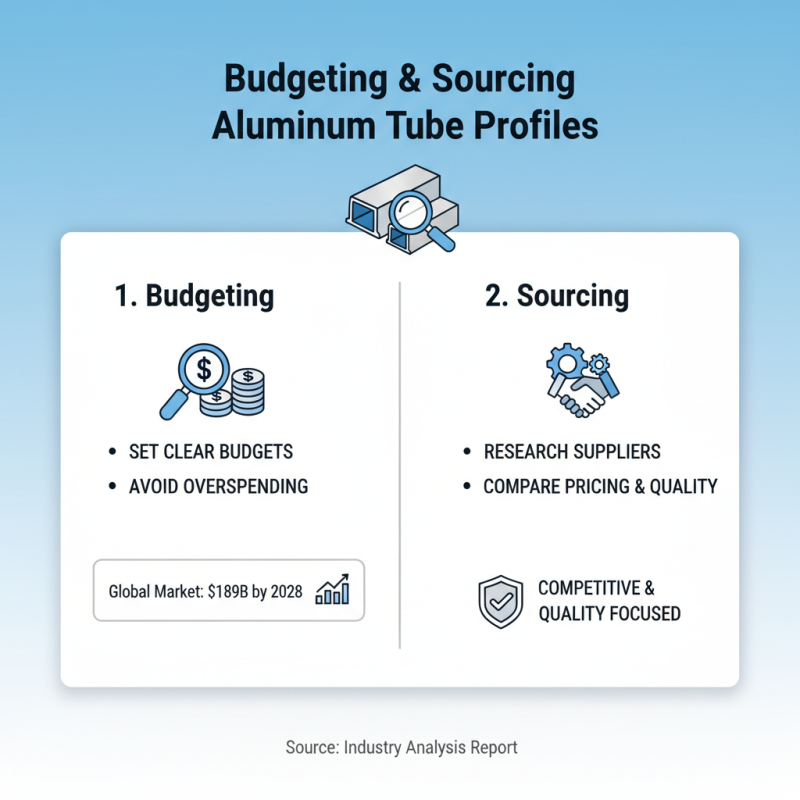
Aluminum tube profiles are widely used across various industries due to their lightweight and versatile nature. The global market for aluminum profiles is expected to reach $90 billion by 2027, highlighting their increasing relevance. Understanding their applications can significantly influence your choices when selecting profiles for specific projects.
These profiles are commonly seen in construction, automotive, and manufacturing. For instance, in construction, aluminum tubes serve as frameworks, enhancing structural integrity while minimizing weight. Reports indicate that aluminum’s strength-to-weight ratio can be up to three times that of steel, making it a preferred choice in many applications. However, improper selection can lead to issues like structural failure, underscoring the importance of precise calculations during the design phase.
Considering the potential for corrosion, choosing the right finish is crucial. Anodized finishes can protect aluminum profiles, extending their lifespan significantly. Studies suggest that well-finished aluminum can last over 50 years in certain environments. Yet, not all profiles are equal; some may not perform as expected under specific conditions. It's essential to research and consult industry experts to avoid costly mistakes.
Material Types Used in Aluminum Tube Profiles
Key Factors to Consider When Selecting Aluminum Tube Profiles
When selecting aluminum tube profiles, it's crucial to consider various key factors. The profile's weight and strength directly impact structural integrity. According to industry reports, the tensile strength of aluminum typically ranges from 70 to 700 MPa, depending on the alloy used. This strength is essential for applications in construction and manufacturing.
Another important factor is corrosion resistance. Aluminum naturally forms a protective oxide layer, making it less susceptible to rust compared to steel. However, not all alloys perform equally. You should evaluate the environment where the tubes will be used. For instance, marine environments require higher corrosion resistance ratings, which some aluminum alloys provide.
The manufacturing process also affects the final quality of the aluminum profiles. Reports reveal that processes like extrusion and anodizing enhance the material's properties. The precision of these processes can affect tolerances and surface finishes. Slight variations in these areas can lead to significant performance issues in long-term applications. Therefore, understanding these manufacturing details can save time and resources in the long run.
Comparing Different Aluminum Alloy Grades for Tube Profiles
When selecting aluminum tube profiles, understanding the different alloy grades is crucial. Each grade has unique properties influencing strength, weight, and corrosion resistance. For instance, 6061-T6 is commonly used for its good mechanical properties and weldability. However, it may not perform well in highly corrosive environments. In contrast, 2024 aluminum, while stronger, is less resistant to corrosion.
Experts emphasize the importance of matching the alloy to your project's demands. A comprehensive report by the Aluminum Association indicates that the choice of alloy can impact lifespan and overall performance by up to 40%. This statistic reinforces the need for careful selection based on application requirements.
Tip: Always consider the environment where the tubes will be used. Exposure to saltwater or industrial chemicals can drastically shorten lifespan. Another critical point is the design’s intended load. Misjudging the strength can lead to failures in structural applications, potentially causing significant issues. Always do thorough research on alloy properties before making a decision.
Evaluating the Manufacturing Processes of Aluminum Tube Profiles
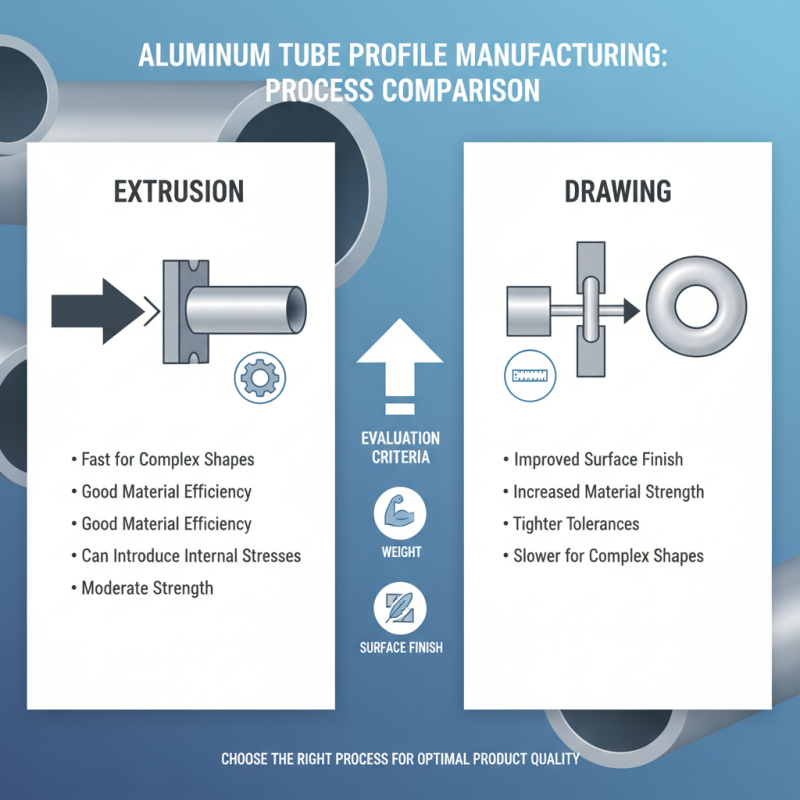
When evaluating the manufacturing processes of aluminum tube profiles, it's crucial to understand how these processes influence the final product. Different techniques, such as extrusion and drawing, produce varying qualities. Each method impacts the tube's strength, weight, and surface finish. For instance, extrusion can create complex shapes efficiently, but may also introduce internal stresses.
Consider the role of temperature in these processes. Heat treatment can enhance strength but requires careful control. Too much heat can weaken the alloy, leading to safety concerns. Inspecting the manufacturing environment is also vital. Cleanliness and precision in machinery directly affect the quality of the profiles produced.
Another aspect to reflect on is the sourcing of raw materials. Not all aluminum is created equal. The choice of alloy affects performance characteristics like corrosion resistance and weldability. Understanding the supply chain is essential, as inconsistencies can lead to variability in the end product. Reliable manufacturers will prioritize transparency and quality assurance throughout their processes.







 wechat