How to Choose Architectural Aluminum Profiles for Your Project?
Choosing the right Architectural Aluminum Profiles can significantly impact your project. These profiles are essential in modern construction and design. They offer durability, flexibility, and aesthetic appeal.
When selecting Architectural Aluminum Profiles, consider various factors. The profile's size, shape, and finish can affect both function and appearance. Think about the environment where the profiles will be used. Different climates can affect aluminum's longevity.
It’s important to balance aesthetics with practicality. While a sleek finish may look great, is it suitable for your needs? Reflect on the specific requirements of your project. Are you prioritizing style over functionality? Such decisions require careful thought, as they can define the success of your design.
Understanding the Basics of Architectural Aluminum Profiles
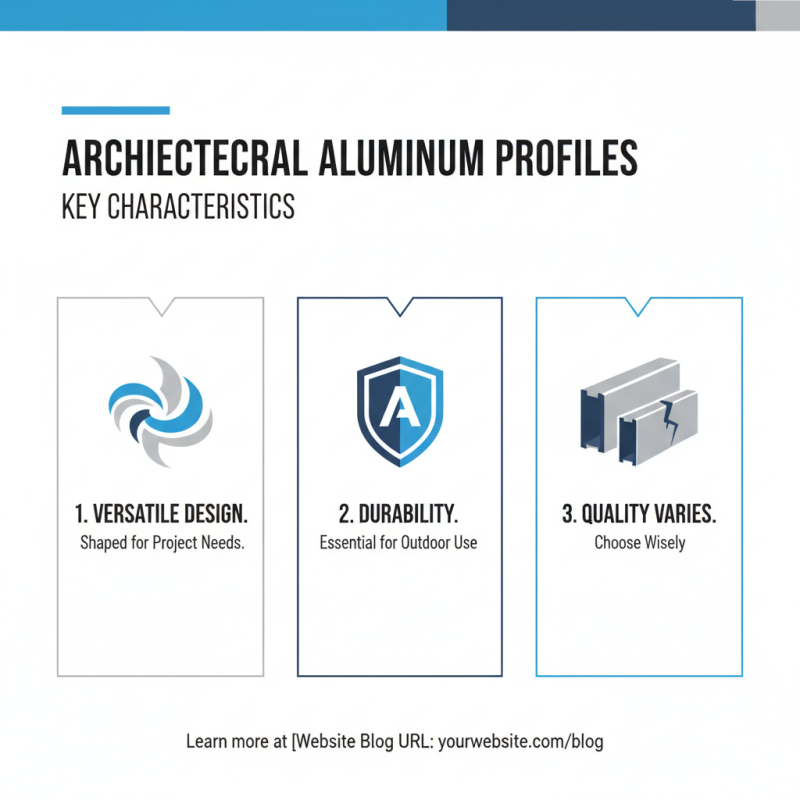
When considering architectural aluminum profiles, it's important to understand their fundamental characteristics. These profiles offer versatility in design. They can be shaped into various forms to meet specific project needs. However, not all profiles are created equal. Some may lack the durability required for outdoor use.
Keep in mind that weight and thickness influence performance. Thinner profiles may bend easily, affecting structural integrity. It's vital to choose a profile that aligns with your project requirements. Additionally, surface finishes can impact aesthetics and longevity. Anodized finishes provide extra protection but may not suit every design intent.
Often, mistakes occur in selecting the wrong type or finish. This can lead to costly revisions. Aesthetic appeal and functionality must go hand in hand. Don't overlook the importance of consulting design professionals. They can provide insights based on experience. Ultimately, the choice must balance beauty and practicality for successful implementation.
Identifying Project Requirements for Selecting Aluminum Profiles
When choosing architectural aluminum profiles, understanding project requirements is crucial. Consider the specific demands of your build. Are you designing for durability or aesthetics? Different applications require tailored solutions. According to the Aluminum Association, architectural aluminum frames can reduce energy costs by up to 30%. This illustrates their efficiency in modern projects.
Tips: Assess load-bearing needs. Analyze your building's environmental exposure. Profiles must withstand local weather conditions. They should also allow for easy installation and maintenance. The right aluminum can enhance your structure's longevity.
Additionally, evaluate the finish of the aluminum. Premium coatings resist corrosion and UV damage. This can lead to lower maintenance over time. However, selecting finishes can be tricky. Some cheaper options may not provide long-term protection. Choose wisely to avoid frequent replacements. Understanding your project specifics helps in making informed decisions.
Evaluating Different Types of Architectural Aluminum Profiles
Choosing the right architectural aluminum profiles for a project can feel overwhelming. There are countless options available. Each type of profile serves a unique purpose. Understanding the different types is crucial for effective decision-making. Start by identifying the structural needs of your project. Consider factors like load-bearing capacity and environmental conditions.
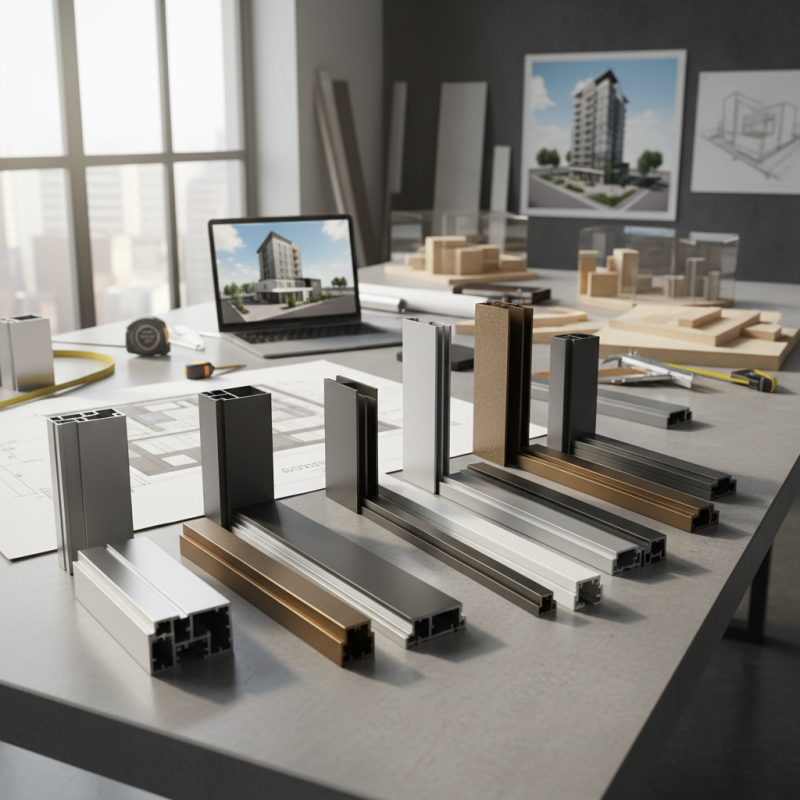
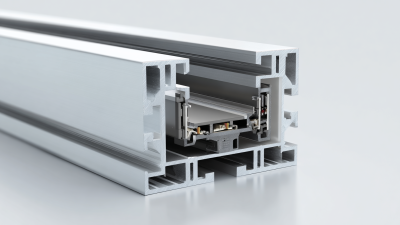
Look into the various shapes and sizes. Common profiles include angles, channels, and tubes. Each type offers distinct advantages. Channels are great for framing, while angles provide robust support. Evaluate how these fit into your overall design. Remember, aesthetics are just as important. The finish and color can impact the visual appeal significantly. Explore anodized versus painted options; each has its strengths and weaknesses.
Testing different profiles in mock-ups may reveal unexpected issues. Be prepared for some trial and error. Not every profile will meet your expectations. Analyzing failures is as critical as celebrating successes. Pay attention to feedback from fabricators and installers. Their insights can highlight practical limitations.
Imbalances between form and function can lead to regrets later on. Choose wisely and remain flexible in your approach.
Assessing Strength, Durability, and Aesthetics of Aluminum Profiles
When selecting architectural aluminum profiles, strength plays a crucial role. Aluminum's tensile strength can reach up to 570 MPa, which is vital for structural integrity. The choice of alloy contributes significantly to this strength. For example, the 6061 alloy is commonly used for its good mechanical properties, but designers often overlook the benefits of 7075. This alloy offers even greater strength but may lead to higher costs.
Durability is another essential factor. Aluminum is known for its high resistance to corrosion, especially when treated with anodizing. A study published by the Aluminum Association indicates that treated aluminum can last over 50 years in harsh environments. Yet, it requires careful consideration. Some finishes may wear down quicker than expected, affecting long-term performance and aesthetics.
Aesthetics cannot be ignored. The versatility of aluminum allows for various finishes and colors, but not all options are created equal. Powder coating is popular for its visual appeal. However, not every coating can withstand UV exposure, leading to fading. Designers must evaluate both visual and functional properties. This ensures that the selected profiles will maintain their appearance while serving their intended purpose over time.
Strength, Durability, and Aesthetics of Architectural Aluminum Profiles
Considering Cost, Availability, and Sustainability Factors in Selection
When selecting architectural aluminum profiles, cost, availability, and sustainability are critical factors. The global market for aluminum profiles is projected to reach $67.5 billion by 2026. However, prices can fluctuate based on material supply and demand. Research shows that costs differ across regions. Understanding your local market can help optimize budget allocations.
Availability often limits design choices. In some areas, certain profiles may be challenging to source. It's essential to engage with local suppliers early in the project to gauge what is readily available.
Sustainability is increasingly vital. A recent report from the Aluminum Association states that recycled aluminum consumes 95% less energy than new production. Yet, many profiles still come from non-recyclable sources.
An emphasis on sustainability can lead to better decisions. Consider profiles that have certifications, indicating lower environmental impact. The push for green building practices is gaining momentum. It raises the question: are the profiles you're considering eco-friendly? A critical review of alternatives can save both the environment and your project's future costs.








 wechat