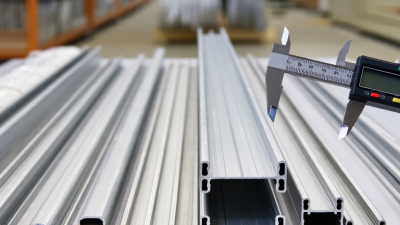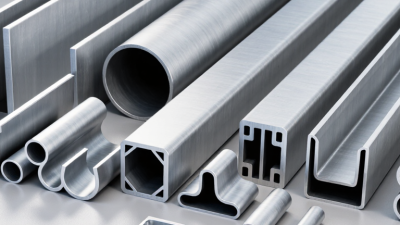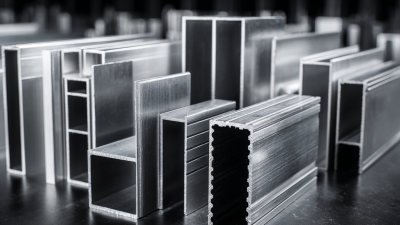
Anodized Aluminum Profiles are used in architectural frames, machine guards, display systems, and many other projects. Their appeal is practical: aluminum stays relatively light, while its anodized surface can improve resistance to everyday wear and corrosion. The finish also offers consistent color options, from clear silver to darker tones. The finish matters.
Anodizing is an electrochemical process that thickens the aluminum’s natural oxide layer. Unlike paint, this layer is integrated with the metal surface, so it is less likely to peel under normal use. That does not make every profile indestructible. Scratches, harsh chemicals, poor installation, or unsuitable alloy choices can still affect appearance and service life. Not every time.
Choosing a profile means looking beyond the color sample. Consider the alloy, wall thickness, coating specification, intended environment, and how the parts will be cut or joined. A frame near the coast, for example, may need a more carefully specified finish than an indoor display rail. Ask suppliers for clear technical data, including anodizing thickness and relevant test information, rather than relying on broad claims. That is useful.
This guide explains where anodized profiles perform well, what their limitations are, and which project details deserve attention before purchase. The best choice depends on real conditions, not appearance alone. A small detail can matter.
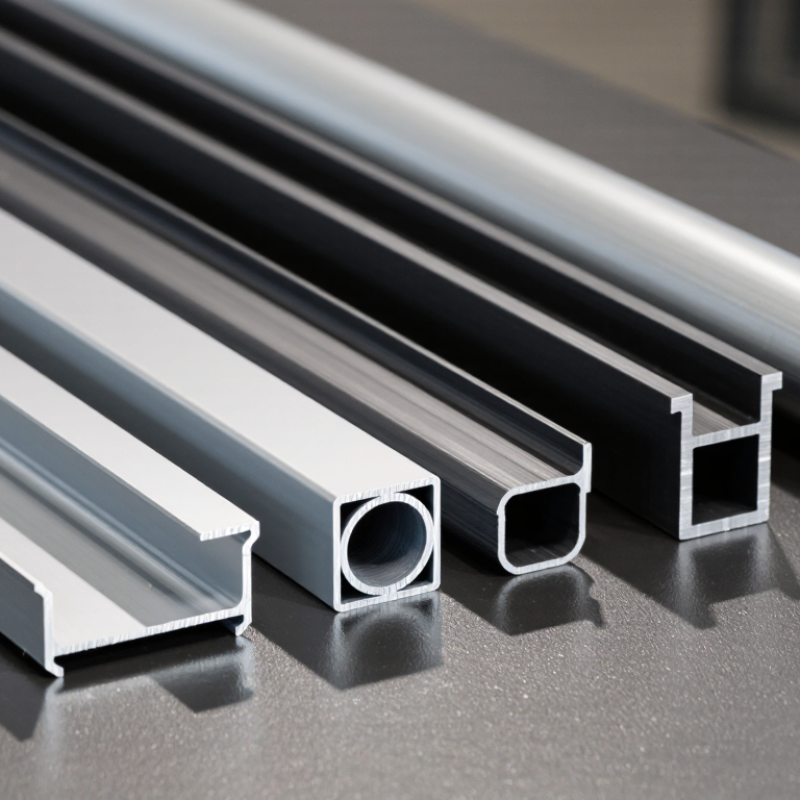
Anodized aluminum profiles are extruded shapes whose surfaces are treated through an electrochemical process. The treatment thickens the aluminum’s natural oxide layer; it does not add a paint film. The oxide remains attached to the metal, helping the surface resist corrosion and everyday wear. Small grooves and cut edges still matter.
After anodizing, the porous oxide can be sealed or colored. Sealing helps close the pores, while dyes or electrolytic coloring create finishes such as bronze or black. The final shade can vary with alloy, surface preparation, and process control. That variability is easy to underestimate. For architectural work, AAMA 611-20 specifies minimum average coating thicknesses of 0.7 mil (about 18 micrometers) for Class I and 0.4 mil (about 10 micrometers) for Class II finishes. These figures offer a useful specification benchmark, not a promise of identical appearance or performance in every setting. Anodizing does not repair poor machining or make a profile immune to scratches. It is worth checking the coating class, finish sample, and intended exposure before selection.
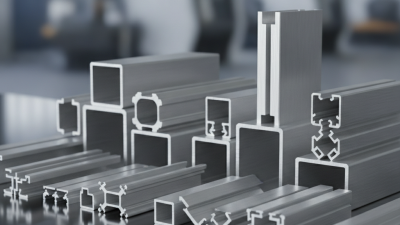
Anodizing changes the aluminum surface through a controlled electrochemical process. A profile is cleaned and placed in an electrolyte bath. An electric current encourages oxygen to react with the aluminum. This forms an aluminum oxide layer that is part of the metal surface, rather than a separate paint film. The freshly formed layer contains tiny pores. These pores can accept color, then are sealed to reduce moisture and contaminant entry. That is the key protective step. The result can improve resistance to corrosion and everyday surface wear, though performance depends on the alloy, process, and coating thickness.
For a project, this can mean less concern about peeling or flaking than with some applied finishes. Still, anodizing is not armor. Sharp impacts may mark it, and cut edges may have less protection than treated surfaces. Color can also vary slightly between production batches or profile shapes. Not magic. A sample finished with the intended alloy and color helps reveal these differences before parts are ordered. Consider where the profile will be used, how it will be cleaned, and whether visible color consistency matters. Those practical details can influence which anodized finish is suitable.
Anodized aluminum profiles are valued for combining a durable surface with the light weight of aluminum. During anodizing, an electrochemical process thickens the metal’s natural oxide layer. The resulting finish becomes part of the surface rather than a separate layer of paint. It can help profiles withstand moisture, handling, and everyday abrasion. This is useful for window frames, display systems, and equipment enclosures that see regular use. It may also reduce the need for repainting. No finish is perfect.
The finish can be clear or colored, with matte and satin options available. A matte profile can soften reflections in a bright office, while a darker finish may define the edges of a cabinet. Anodized surfaces are also relatively easy to clean with mild soap and water. Avoid assuming every batch will look identical. Alloy composition, surface preparation, and processing can affect the final shade. Mock up a sample.
Anodizing does not make aluminum immune to scratches, dents, or chemical damage. Deep cuts made after finishing can expose untreated metal, so confirm whether profiles will be cut or drilled during installation. For outdoor projects, ask about coating thickness and suitability for the expected exposure. Compare samples under the actual lighting; a small color difference can become obvious across a long run of profiles. Be realistic about maintenance.
Anodized aluminum profiles appear in many industries because they combine a protective surface with relatively low weight. In architecture, they frame windows, curtain walls, and interior partitions. A matte finish can reduce glare in a bright lobby, while the metal tolerates routine cleaning. Installers still need to specify suitable alloys and coating thickness for the site. Coastal air can be unforgiving.
Manufacturers use profiles for machine guards, conveyor frames, and equipment enclosures. Their grooves and channels can hold panels, sensors, or fasteners, making adjustments easier on a production line. In transportation, lightweight sections support interior trim, luggage racks, and rail fittings, where reduced mass matters. Electronics makers also use anodized housings to help protect components from everyday abrasion and provide a surface that sheds heat. Performance depends on design.
Retail fixtures and furniture use the finish for shelving, display frames, and table legs. A scratch may expose the underlying metal, and color consistency can vary between production batches. These details are easy to overlook. For demanding applications, teams should test samples under expected moisture, cleaning, and handling conditions before choosing a profile.
Why Choose Anodized Aluminum Profiles for Your Project?
Factors to Consider When Choosing an Anodized Profile
Start with the environment, not the color chart. A profile near a swimming pool, coastal walkway, or chemical wash area faces different exposure than one inside a dry office. Ask the supplier about alloy, anodic coating thickness, sealing method, and relevant test results. ASTM B580 provides guidance on anodic oxide coatings, but the right specification still depends on the application. A thicker coating is not automatically the best choice; fit, appearance, and exposure all matter.
Check the dimensions against the actual assembly. A few tenths of a millimeter can affect sliding doors, corner joints, or a row of LED channels. Confirm tolerances before fabrication, and ask whether cutting or drilling will expose untreated edges. Finish matters. Color samples can look different under warm workshop lights and outdoor daylight, so inspect a sample in its intended setting. Measure twice.
Sustainability may also influence your selection. The Aluminum Association’s report Aluminum: The Element of Sustainability states that recycling aluminum uses about 95% less energy than producing primary aluminum. That figure describes recycling, not every anodized profile; ask for recycled-content documentation rather than assuming. Also consider whether the finish and profile can be maintained or replaced separately. A useful pause: specifications sometimes grow more complex than the project needs. Recheck the exposure, appearance, and fit requirements before locking them in.
| Selection factor | Typical data or options | Why it matters | What to check before ordering |
|---|---|---|---|
| Corrosion environment | Anodizing forms an aluminum oxide surface layer. Protection depends on coating thickness, sealing, alloy, and exposure conditions. | A suitable anodic coating can help protect profiles from atmospheric corrosion, but performance is not identical in every environment. | Identify indoor, outdoor, coastal, or industrial exposure. Specify the applicable coating standard and required coating class. |
| Coating thickness | Common architectural specifications include nominal thickness classes around 10, 15, 20, and 25 µm; the required class depends on the specification and exposure. | Thickness influences durability and suitability for service conditions. A thicker coating is not automatically the best choice for every application. | State the required minimum or class, measurement method, and acceptance criteria. ISO 7599 is a commonly used specification standard for decorative anodic oxidation coatings. |
| Color and appearance | Options may include clear, dyed colors, or electrolytically colored finishes. Appearance can vary with alloy, extrusion surface, pretreatment, and process. | Anodizing is a surface-conversion process, so the result can show more variation than an opaque paint finish. | Approve a representative sample and define acceptable color and gloss variation, especially when profiles will be installed side by side. |
| Alloy and surface quality | Extrusion alloy and temper affect strength, finish consistency, and corrosion behavior. 6xxx-series alloys are commonly used for extruded profiles. | Differences in alloy composition and surface condition can affect the final color and uniformity of the anodized layer. | Confirm alloy, temper, surface preparation, and whether all parts in a visible assembly will be processed under consistent conditions. |
| Wear and handling | The anodic oxide is harder than the underlying aluminum, but it is a thin surface layer and can be scratched, chipped, or damaged by impact. | Anodizing can improve surface wear resistance for many uses, but it does not make a profile immune to mechanical damage. | Consider contact, abrasion, impact, and installation methods. Plan protective packaging and careful handling for finished profiles. |
| Electrical properties | Anodic oxide is electrically insulating over coated areas; cut edges, contact points, and uncoated regions may remain conductive. | The coating can affect grounding, bonding, and electrical contact in an assembly. | Specify masking or contact areas where electrical continuity is required, and verify the design with the relevant electrical requirements. |
| Fabrication and assembly | Cutting, drilling, and machining after anodizing expose untreated aluminum at the new surfaces. | Finishing before fabrication may leave visible bare areas; finishing after fabrication can affect the appearance of assembled parts. | Choose the finishing sequence early and account for fasteners, joints, cut ends, and masking in the drawings. |
| Cleaning and maintenance | Routine cleaning generally uses water and a mild, non-abrasive detergent; harsh chemicals and abrasive tools can damage the finish. | Maintenance practices help preserve appearance and avoid unnecessary surface damage. | Confirm that the proposed cleaning method is compatible with the coating and the surrounding materials. |
| Cost and project fit | Cost depends on profile size, alloy, preparation, coating class, color, order quantity, and inspection requirements. | The most suitable finish balances appearance, service conditions, fabrication needs, and budget rather than relying on coating thickness alone. | Compare quotations using the same alloy, dimensions, finish description, coating requirements, tolerances, and quality checks. |
Note: Values and finish options are general selection guidance. Confirm project-specific requirements with the applicable standard, drawings, and exposure conditions.