One Stop Solution For Aluminum Profiles
调查
表单加载...

What Are the Top Standard Aluminum Profiles for Buyers?

Standard Aluminum Profiles appear simple: straight lengths, clean edges, and familiar cross-sections. Yet choosing the right profile affects assembly time, structural performance, and long-term maintenance. Buyers may compare standard angles, channels, tubes, bars, and T-sections, but dimensions alone do not tell the full story. Alloy, temper, wall thickness, tolerances, finish, and supplier consistency matter too.

Industry data gives useful context, not a shortcut to a purchasing decision. The U.S. Geological Survey’s Mineral Commodity Summaries 2024 estimated global primary aluminum production at about 70 million metric tons in 2023. That scale signals a broad materials market, but it does not guarantee that a particular extrusion meets a project’s needs. The International Aluminium Institute also tracks aluminum’s role in transport, construction, and packaging, sectors where weight, corrosion resistance, and fabrication needs differ. Buyers should check the original reports and confirm specifications directly with suppliers.

Small details matter. A thin-wall tube may reduce weight, yet complicate drilling or fastening. A standard channel may fit a frame neatly, while its corner radius interferes with a bracket. This guide compares common profile types, typical uses, and practical selection criteria. It also considers documentation, surface finish, and sourcing questions that can prevent costly surprises. One caution: “standard” does not always mean interchangeable. Stock dimensions, tolerances, and availability can vary by supplier and region. Measure twice. Then verify the drawing, alloy, temper, and delivery condition before ordering.
What Are the Top Standard Aluminum Profiles for Buyers?

Aluminum Extrusion Basics: 2.70 g/cm³ Density and the 6xxx Alloy Series

What Are the Top Standard Aluminum Profiles for Buyers?

Aluminum Extrusion Basics: 2.70 g/cm³ Density and the 6xxx Alloy Series

Aluminum’s density is about 2.70 g/cm³, roughly one-third that of steel. This makes standard profiles easier to handle and useful when reducing structural weight matters. Common options include T-slotted sections, angles, channels, and rectangular tubes. Their shape affects stiffness, mounting, and how loads travel through an assembly. A light profile is not automatically strong enough. Check wall thickness, span, and load before choosing.

Many general-purpose extrusions use the 6xxx alloy series, especially alloys containing magnesium and silicon. These alloys can be heat-treated and typically offer a practical balance of strength, corrosion resistance, and formability. Exact performance depends on the alloy, temper, and profile design, so density alone cannot guide a purchase. Ask for the alloy and temper on the material documentation. Then compare dimensions and tolerances against your drawing. Small slot or wall variations can cause real assembly trouble. I have seen a “standard” section fit poorly when the mating hardware was specified too loosely.
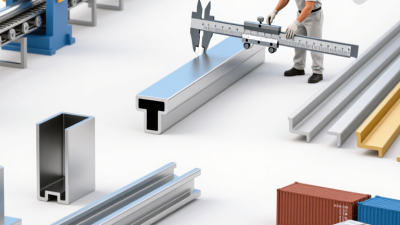
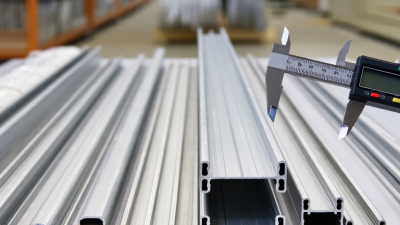
Common 6063 Profiles: T-Slots, Angles, Channels, and Tubes

What Are the Top Standard Aluminum Profiles for Buyers?

Common 6063 Profiles: T-Slots, Angles, Channels, and Tubes

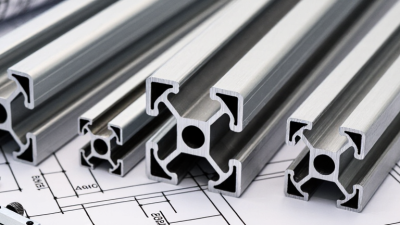
For buyers, 6063 profiles are practical choices when clean surfaces and easy machining matter. T-slot sections accept sliding nuts, making them useful for guards, workstations, and adjustable frames. A 2024 U.S. Geological Survey report estimated global primary aluminum production at about 70 million metric tons in 2023. That scale reflects aluminum’s broad industrial role, but it does not guarantee a profile suits every load or environment. Check the alloy temper, wall thickness, and supplier’s dimensional tolerances before ordering.

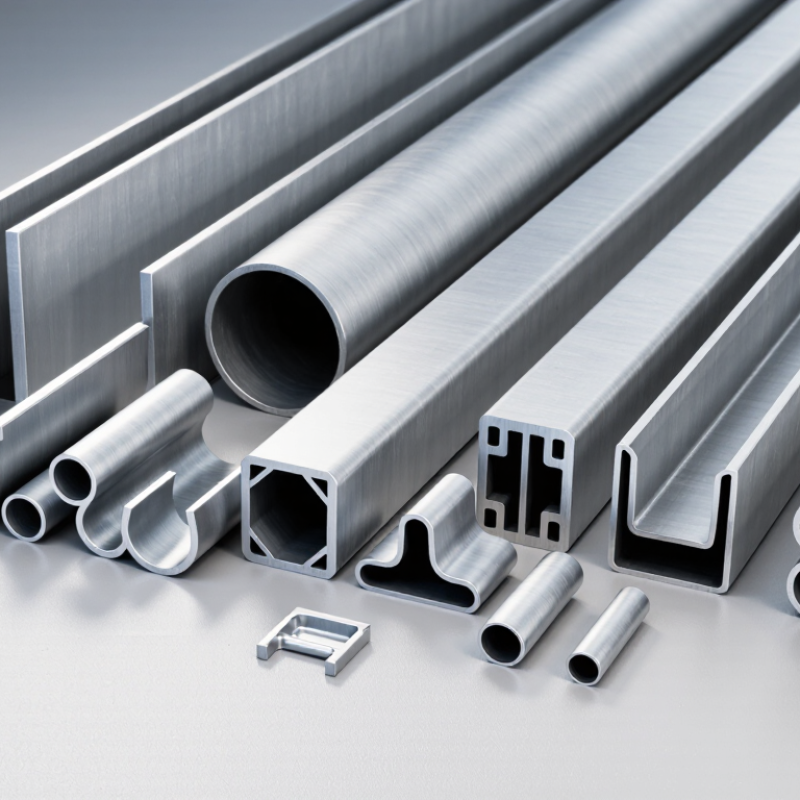
Angles reinforce corners and lightweight brackets; channels support edges, panels, and simple tracks. Square or round tubes provide enclosed sections for frames, handles, and supports. Small details count. A thin tube may look substantial yet flex under a long span, while a channel’s open side can complicate fastening. ASTM B221 covers extruded aluminum-alloy bars, rods, wire, profiles, and tubes, offering buyers a useful specification reference. Still, drawings and tolerances need review. I would not assume two “standard” profiles fit identically without checking dimensions, finish, and temper.

What Are the Top Standard Aluminum Profiles for Buyers? - Common 6063 Profiles: T-Slots, Angles, Channels, and Tubes

Common profile forms and example nominal sizes for 6063 aluminum extrusions. Sizes and availability vary by supplier, temper, tooling, and market; confirm the drawing and tolerances before ordering.

Profile type Example nominal sizes Typical construction Common applications What buyers should check
T-slot profile 20 × 20 mm, 30 × 30 mm, 40 × 40 mm Hollow or multi-cavity section with longitudinal T-shaped slots; slot and fastener dimensions depend on the profile system. Machine frames, workstations, guards, display structures, and modular fixtures. Overall section size, slot opening, compatible nut and bolt dimensions, corner geometry, and required load capacity.
Equal or unequal angle 20 × 20 × 2 mm, 25 × 25 × 3 mm; unequal examples include 25 × 15 × 2 mm. Two legs meet at approximately 90°; the listed dimensions give leg lengths and nominal wall thickness. Edge trim, brackets, corner reinforcement, frames, and light-duty supports. Leg lengths, thickness, inside radius, straightness, and whether equal or unequal legs are needed.
Channel 20 × 20 × 2 mm, 30 × 15 × 2 mm; dimensions are commonly specified as web × leg × thickness. Open U-shaped section with one web and two parallel legs; dimensions and lip details vary by design. Guides, trim, cable covers, light frames, and supports where an open section is useful. Web and leg dimensions, opening width, wall thickness, corner radii, and the direction of applied loads.
Square or rectangular tube 20 × 20 × 1.5 mm, 25 × 25 × 2 mm, 40 × 20 × 2 mm. Closed hollow section; size is given as outside width × outside height × nominal wall thickness. Furniture, enclosures, supports, handrails, and lightweight structural frames. Outside dimensions, wall thickness, corner radius, cut length, and suitability for the intended structural load.
Round tube 20 mm OD × 1.5 mm wall, 25 mm OD × 2 mm wall. Circular hollow section; OD means outside diameter, and wall thickness is nominal. Handles, rails, furniture, display structures, and general fabrication. Outside diameter, wall thickness, roundness, finish, and whether the tube must fit a connector or insert.

Material note: 6063 is an aluminum-magnesium-silicon extrusion alloy commonly used for architectural and general-purpose profiles. Mechanical properties depend on temper (such as T5 or T6), section dimensions, and applicable specifications; request the supplier’s material and dimensional documentation for critical applications.

6061 Structural Profiles: Higher-Strength Options for Load-Bearing Use

6061 structural aluminum profiles suit buyers who need more strength than common general-purpose extrusions can provide. The alloy is valued for its strength-to-weight balance and is often selected for machine frames, equipment supports, and load-bearing assemblies. A thick-walled rectangular tube, for example, can help resist bending under a mounted motor or work surface. Still, the profile shape matters as much as the alloy.

Check the temper, dimensions, and load path before comparing prices. 6061-T6 is commonly used where higher strength is needed, but it can be less formable than softer tempers. A narrow slot or thin wall may become the weak point, even when the alloy sounds robust. Connections matter too. Bolts, brackets, welds, and unsupported spans all affect how a frame behaves in service. Not magic.

Ask for material and temper documentation, then confirm allowable loads with a qualified design professional for safety-critical equipment. Published strength values describe material under specified conditions; they do not guarantee the capacity of a finished assembly. One easy mistake is choosing a profile by outside dimensions alone. I would compare wall thickness, corner geometry, and fastening access, then check whether the design leaves room for adjustment. A little extra metal can help, but it also adds weight and cost. The right choice is rarely the biggest profile on the shelf.

Profile Standards: ASTM B221 and EN 755-9 Dimensional Tolerances

For buyers comparing standard aluminum profiles, the alloy and temper matter, but dimensional tolerances matter just as much. ASTM B221 covers extruded aluminum bars, rods, wire, profiles, and tubes. EN 755-9 specifies dimensional and form tolerances for extruded profiles. They are not interchangeable checklists; confirm which standard and edition the supplier is quoting.

A profile may look straight on a sample, yet vary in wall thickness, width, twist, or straightness across a production run. These differences can affect a sliding fit, gasket compression, or the alignment of drilled holes. Ask for the tolerance table that applies to the profile’s dimensions, shape, and alloy. Then compare it with the drawing, not just the nominal size. Small details count.

Tolerance limits depend on the relevant standard, profile geometry, and measurement method. A broad, thin section may behave differently from a compact, heavy one. For critical interfaces, specify inspection points and how straightness or twist will be measured. A practical caution: tighter tolerances can raise cost, and they do not guarantee better assembly if the mating parts are poorly controlled. Request a first-article measurement report before approving volume production.

Buyer Selection: Compare Alloy, Temper, Shape, Finish, and Tolerance

What Are the Top Standard Aluminum Profiles for Buyers?

Buyer Selection: Compare Alloy, Temper, Shape, Finish, and Tolerance

A standard profile is only a good choice when its properties match the job. Check the alloy and temper together: 6063-T5 is commonly selected for architectural frames and clean extrusions, while 6061-T6 is often considered for parts needing greater strength. These are starting points, not guarantees. Ask for the supplier’s mill certificate and verify the applicable mechanical-property standard. A temper change can affect strength, formability, and machining behavior.

Shape matters at the workbench. A thin-wall channel may reduce weight, but it can twist during handling. Compare wall thickness, corner radii, and straightness against the drawing. For anodized parts, request a finish sample; color and appearance can vary with alloy and processing. Tolerances deserve equal attention. A sliding assembly may need tighter dimensional control than a trim piece, and tighter tolerances can increase cost. Be specific.

The Aluminum Association’s Aluminum Design Manual discusses alloy and temper properties used in structural design; use its data alongside supplier certificates, not as a substitute for them. The Aluminum Association also reports that recycling aluminum saves about 95% of the energy required to make primary aluminum. That figure supports recycled-content questions, but it does not confirm a profile’s strength or finish quality.

I’d still request a sample and measure it. Buyers sometimes overlook this part.