How to Choose Aluminum Profiles for Windows and Doors?
Choosing the right aluminum profiles for windows and doors is crucial in today’s construction industry. According to the Aluminum Association, about 75% of architects favor aluminum profiles for their durability and energy efficiency. However, the selection process can be daunting, given the variety of options available. Industry expert Dr. John Smith emphasizes, “A well-chosen aluminum profile can enhance both the aesthetics and performance of a building.”
Aluminum profiles for windows and doors play a vital role in a structure's energy efficiency. A study by the National Institute of Standards and Technology reveals that using quality aluminum profiles can reduce heating and cooling costs by up to 15%. Not every profile will meet your project's needs. There are significant differences in thermal performance and structural integrity among various products in the market.
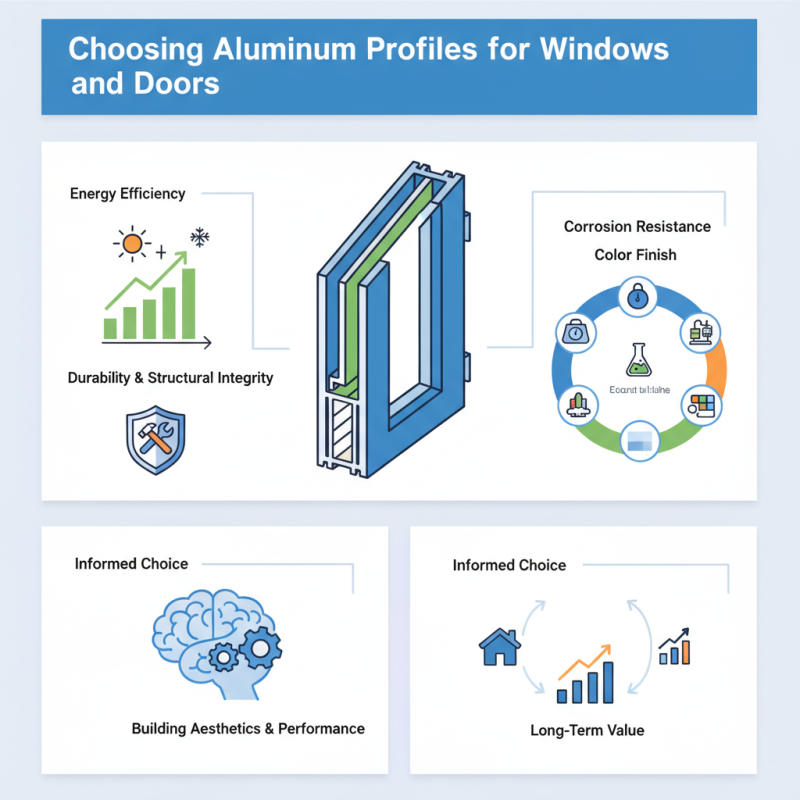
Making an informed choice requires understanding these differences. Factors like weight, corrosion resistance, and color finish matter greatly. Reflecting on these elements leads to effective decision-making. Careful selection will lead to better long-term value. In the complex world of construction, the call for reflection is essential. The right choice in aluminum profiles for windows and doors not only ensures quality but also impacts the overall success of a project.
Understanding Aluminum Profiles: Types and Properties
When choosing aluminum profiles for windows and doors, it's essential to understand the different types and properties available. Aluminum profiles come in various shapes, each suited for specific applications. Common types include thermal break profiles, which enhance insulation properties, and structural profiles that provide sturdy support. The choice may depend on your local climate, with thermal breaks being crucial in extreme temperatures.
Different alloys exist, impacting the strength and durability of the profiles. For instance, series 6000 alloys are widely used due to their excellent corrosion resistance. However, the complexity of choosing the right alloy can lead to mistakes if not properly researched. Understanding the thermal conductivity of the profiles also matters. High conductivity might not be ideal if insulation is a priority.
Often, customization is necessary for unique architectural designs. This can lead to a higher cost and longer lead times. Evaluating whether the expense justifies the aesthetic benefit is a challenging decision. Ultimately, selecting the right aluminum profile requires careful consideration of both technical properties and design needs. Emphasizing properties while balancing cost can be quite the task.
Key Factors to Consider When Selecting Aluminum Profiles
Choosing aluminum profiles for windows and doors requires careful consideration of several key factors. One critical aspect is the thermal performance of the profiles. Statistics from industry reports indicate that aluminum profiles with thermal breaks can lead to energy savings of up to 30%. This can significantly enhance a building’s energy efficiency. Look for profiles with high thermal insulation properties.
Another important factor is the strength and durability of the materials. Aluminum profiles are often subjected to environmental stress. Research shows that high-quality aluminum can last over 30 years with minimal maintenance. Ensure the profile has adequate thickness and corrosion resistance. This is vital for both longevity and performance.
Aesthetic aspects cannot be ignored. The design of aluminum profiles impacts not just functionality but also the overall appeal of a building. Customization options are increasingly popular. However, such choices can complicate installation. It’s worthwhile to weigh the benefits of unique designs against potential installation challenges. Balancing aesthetics with practicality is essential for a successful outcome.
Factors to Consider When Choosing Aluminum Profiles for Windows and Doors
Assessing Thermal Efficiency and Insulation of Profiles
When selecting aluminum profiles for windows and doors, thermal efficiency is crucial. Profiles with good insulation properties can significantly reduce energy costs. A well-chosen profile acts as a barrier against outside temperatures. This helps maintain a comfortable indoor climate.
Consider the thermal break design while assessing profiles. A thermal break is an insulating material placed between two conductive materials. It minimizes heat transfer, making the profile more efficient. Look for profiles with multiple chambers, as they enhance insulation. Profiles that meet or exceed energy efficiency standards are ideal for any project.
Yet, not all profiles are equal. Sometimes, the sleek and modern designs compromise insulation. It’s vital to strike a balance between aesthetics and performance. Seek out resources or professionals who can provide insights on specific materials. This investment in time pays off long-term by enhancing comfort and reducing energy expenses.
How to Choose Aluminum Profiles for Windows and Doors? - Assessing Thermal Efficiency and Insulation of Profiles
| Profile Type |
Thermal Conductivity (W/m·K) |
Insulation Value (U-value) |
Air Tightness (m3/h·m·2) |
Water Tightness (Pa) |
| Thermal Break Profile |
1.5 |
1.3 |
0.5 |
600 |
| Standard Profile |
2.0 |
1.9 |
0.8 |
500 |
| High-Performance Profile |
1.2 |
1.0 |
0.3 |
700 |
| Reinforced Profile |
1.8 |
1.5 |
0.7 |
650 |
| Minimalist Profile |
1.6 |
1.4 |
0.6 |
550 |
Evaluating Aesthetic Aspects of Aluminum Profiles for Design
When selecting aluminum profiles for windows and doors, aesthetics play a crucial role. The design must harmonize with the overall architecture. A sleek, modern profile can complement contemporary homes, while more traditional designs may suit classic structures. Color schemes also matter. Common finishes include anodized, powder-coated, or natural aluminum. Each finish can drastically change the appearance.
Consider how aluminum profiles contribute to the overall ambiance. Thin frames may provide a minimalist look, maximizing natural light. However, some may prefer thicker frames for a bolder statement. The balance between style and function is essential. Aesthetic appeal should not compromise durability or security. Pay attention to joints and seams. Poor execution can detract from the design, leading to visual discord. Selecting a high-quality, attractive profile is paramount, yet always a challenge. Reflect on your choices to ensure they meet both need and desire.
Cost Analysis: Balancing Budget and Quality in Selection
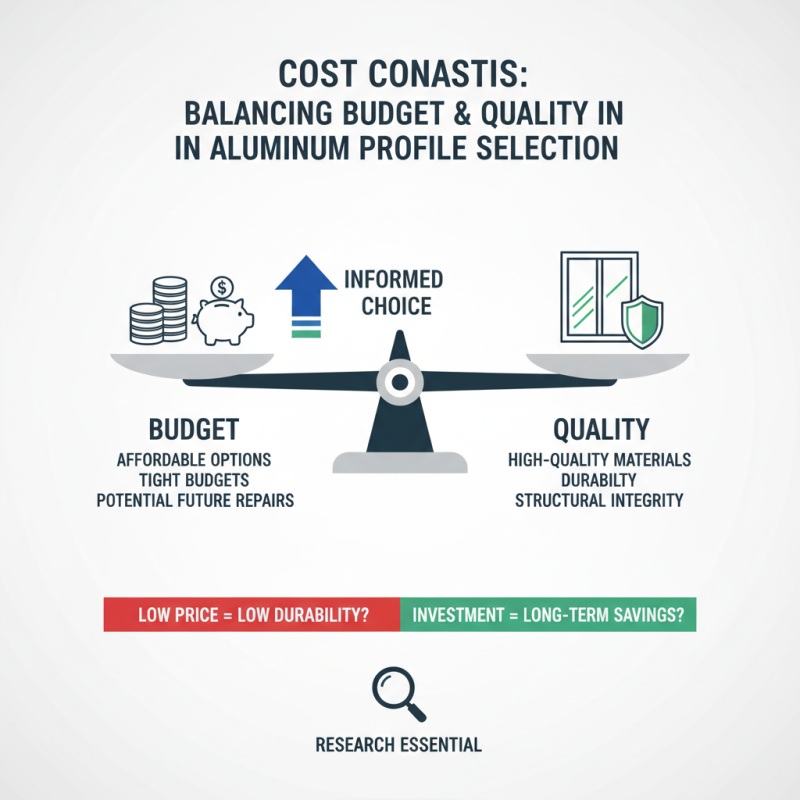
When selecting aluminum profiles for windows and doors, balancing cost and quality is crucial. Many homeowners face tight budgets yet desire high-quality materials. Understanding costs helps make informed choices. Aluminum can vary widely in price and durability, so research is essential. Affordable options may lack structural integrity, leading to future repair expenses.
Consider energy efficiency when analyzing costs. Higher-priced profiles often offer better insulation, which can reduce energy bills over time. Cheaper materials may not perform well, leading to uncomfortable indoor climates. It’s wise to evaluate long-term savings against initial costs. Sometimes, spending a bit more upfront can save you money in the future.
Quality also impacts aesthetics. While low-cost options might seem attractive, they could compromise the appearance of your home. It’s vital to weigh these factors carefully. Rushing this decision could lead to regret. Take the time to assess various profiles, considering reviews from professionals. Balancing budget and quality may seem daunting, but it’s a rewarding endeavor when done thoughtfully.







 wechat