Top 10 Channel Aluminum Extrusion Profiles for Your Next Project?
When considering your next project, selecting the right materials is crucial. Channel Aluminum Extrusion Profiles have gained immense popularity in diverse industries. According to a report by Smithers Pira, the global aluminum extrusion market is expected to reach $282 billion by 2025. This trend highlights the increasing reliance on aluminum for construction and fabrication.
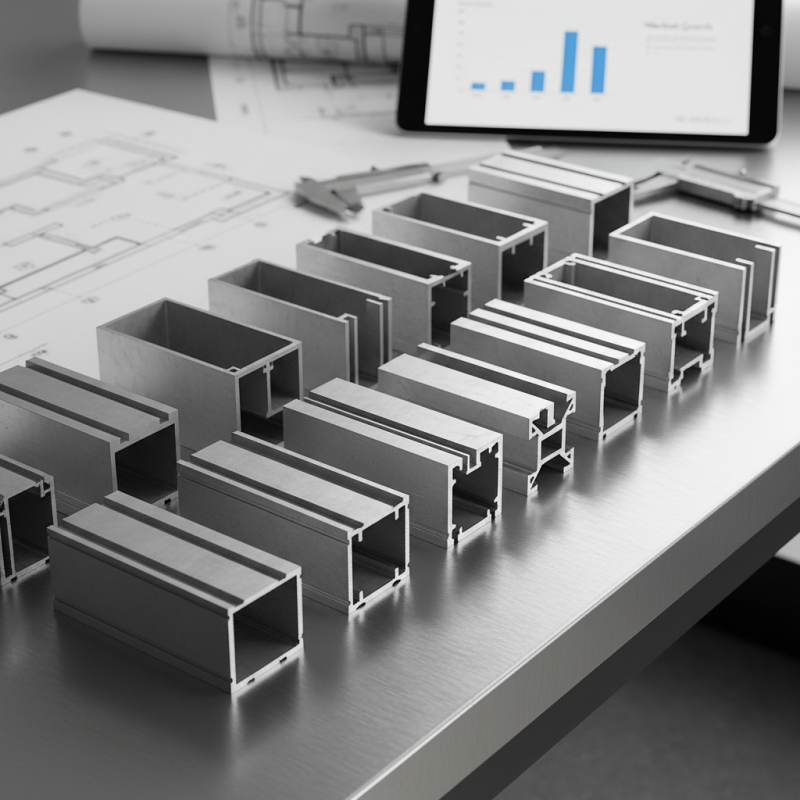
Channel Aluminum Extrusion Profiles offer unique benefits. They are lightweight yet strong, making them ideal for structural applications. Additionally, they can be easily customized to fit specific project requirements. Recent advancements in extrusion technology improve precision, ensuring a perfect fit for every application.
However, it’s essential to evaluate the sourcing and manufacturing process. Low-quality profiles can lead to structural failures or costly delays. Ensuring the reliability of your suppliers is vital for project success. Balancing cost with quality will help avoid potential downsides. In a competitive market, making informed decisions about Channel Aluminum Extrusion Profiles can set your project apart.
Overview of Channel Aluminum Extrusion Profiles
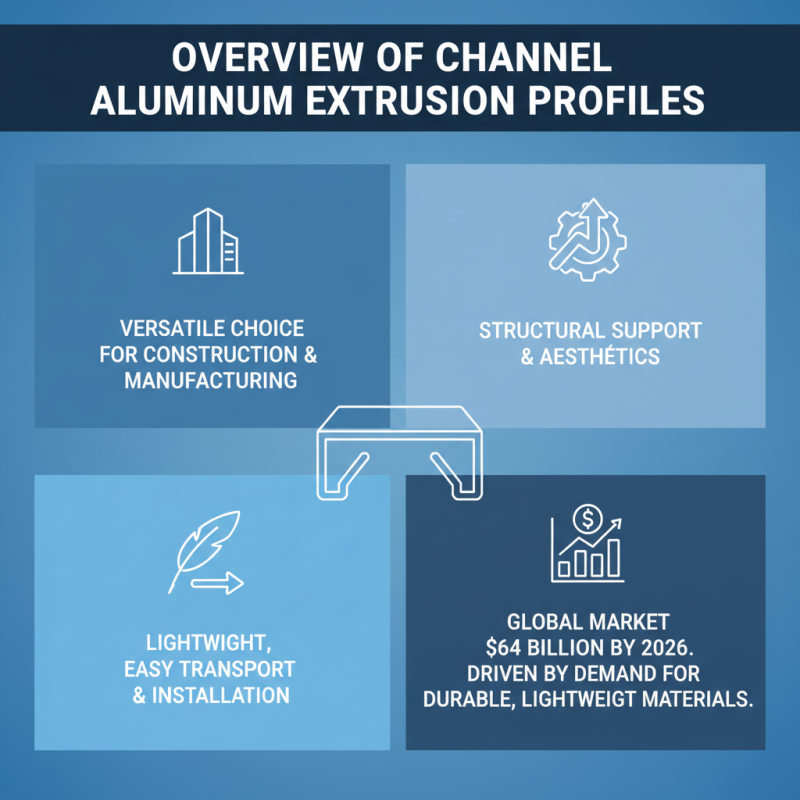
Channel aluminum extrusion profiles are a versatile choice for a variety of projects in construction and manufacturing. These profiles provide structural support and contribute to the aesthetics of different applications. With their lightweight properties, they are easy to transport and install. According to industry data, the global aluminum extrusion market is forecasted to reach approximately $64 billion by 2026. This reflects a growing demand for lightweight, durable materials across various sectors.
When selecting channel aluminum profiles, consider weight, dimensions, and load-bearing capacities. The thickness of the walls can significantly impact the profile's overall strength, particularly for structural applications. Industry reports indicate that profiles with wall thicknesses of 1.5 mm to 5 mm are ideal for most uses. However, there are instances where thinner profiles may seem appealing. Yet, thinning them out can compromise durability and safety in load-bearing scenarios. Reflecting on design requirements can help determine the best profile choice.
The production process of channel profiles can also affect their reliability. Variations in manufacturing techniques may lead to inconsistencies in quality. Some profiles might exhibit issues like warping or weak spots, making it crucial to verify your supplier's reputation. Investing in a quality supplier can yield long-term benefits, minimizing maintenance costs and ensuring structural integrity in your projects.
Key Factors to Consider When Choosing Aluminum Profiles
Choosing the right aluminum profiles for your project is crucial. Consider the
strength-to-weight ratio. Lightweight profiles can be easier to handle but may lack structural integrity.
Find a balance that suits your project needs.
The finish of the aluminum is also important. Anodized finishes resist corrosion and enhance aesthetics.
Think about the environmental conditions your project will face. This can affect the longevity of the profile you select.
Pay attention to the dimensions and tolerances required. Even small variations can impact assembly.
A precise fit is vital for ensuring durability. Consulting a knowledgeable supplier can help clarify these needs.
Proper guidance can save time and reduce errors.
Top 10 Channel Aluminum Extrusion Profiles and Their Applications
Channel aluminum extrusion profiles are widely utilized in various industries. Their versatility and strength make them essential for structural applications. In construction, these profiles offer lightweight solutions that reduce overall project costs. According to a report by the Aluminum Association, the construction sector accounted for 40% of the total aluminum consumption in 2022.
In manufacturing, channel profiles can serve as rail guides and support systems. Their designs enhance stability and ensure precise alignment of moving parts, which is critical in machinery. A study by Freedonia Group indicates that the demand for aluminum extrusions in manufacturing will grow annually by 4% through 2025. This growth reflects the increasing reliance on modular systems that utilize lightweight materials.
However, selection of the correct profile is not always straightforward. Factors such as load-bearing requirements and environmental conditions can complicate decisions. Engineers often need to balance weight and strength. Miscalculating these can lead to project delays or safety concerns. Understanding the specific application and future maintenance needs is crucial for success.
Comparative Analysis of Each Profile's Features and Benefits
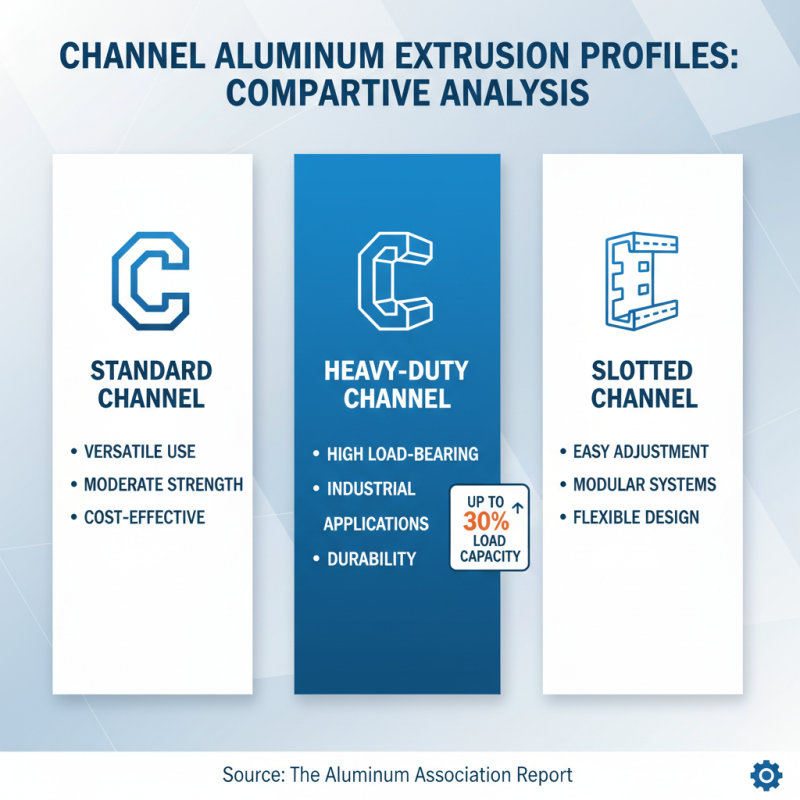
When selecting channel aluminum extrusion profiles for your next project, it’s crucial to understand their distinct features and benefits. Channel profiles, known for their structural strength, vary in thickness and width to suit different applications. A report by the Aluminum Association indicates that the right profile can enhance load-bearing capacity by up to 30%, depending on the material and design choices.
Consider the T-slot profiles, often utilized in modular framing. They simplify assembly and allow for flexibility in design. This adaptability is vital for construction and manufacturing sectors. In contrast, U-channel profiles excel in applications requiring a light yet sturdy solution, making them perfect for signage or lightweight structural frameworks. According to industry research, U-channels can maintain integrity at a 20% lighter weight compared to other shapes.
Tips: Pay attention to the profile's wall thickness. Thicker walls provide better support but add weight. Always analyze your project’s requirements carefully. An incorrect choice can lead to increased costs. Assess your long-term needs over immediate gains to avoid potential rework.
Tips for Selecting the Right Profile for Your Project Needs
When selecting channel aluminum extrusion profiles for your project, understanding specific needs is essential. The right profile can significantly impact structural integrity and aesthetic appeal. Industry data suggests that improperly chosen profiles can lead to inefficiencies and increased costs, with up to 30% of material wasted in poorly designed applications.
Consider the load-bearing capacity of your chosen profile. Profiles must align with your project’s operational requirements. For instance, heavy-duty applications will need thicker profiles to bear weight. Additionally, think about the environmental implications. Extrusions made from recycled aluminum can reduce your carbon footprint, given that recycled aluminum only requires 5% of the energy used in initial production.
Tips for selection:
1. Analyze the project’s specific demands, considering both weight and heat resistance.
2. Look into finishes that enhance durability and minimize maintenance needs. Anodized finishes can improve corrosion resistance.
3. Collaborate with experienced professionals for insights on structural applications and compliance issues. Informed decisions can lead to better outcomes and long-term success.
Top 10 Channel Aluminum Extrusion Profiles for Your Next Project
This chart displays the popularity scores of the top 10 channel aluminum extrusion profiles for your next project. Each profile’s score reflects its suitability based on various project needs, helping you choose the right profile efficiently.







 wechat