2026 Top Furniture Aluminum Profiles for Global Buyers?
In the ever-evolving world of furniture design, Furniture Aluminum Profiles stand out as essential components. These profiles offer versatility and durability, making them a favorite choice for manufacturers worldwide. As we look towards 2026, global buyers must stay informed about the latest trends and innovations in this material.
Aluminum profiles are not only lightweight but also highly customizable. They can be shaped to fit various furniture designs, from sleek modern tables to intricate cabinetry. However, not all profiles are created equal. Buyers need to consider factors such as strength, finish, and sustainability when selecting the right aluminum.
This dynamic market presents both opportunities and challenges. As manufacturers become more innovative, buyers may find it hard to keep up with frequent changes. Engaging with expert reviews and seeking reliable suppliers can provide a competitive edge. Ultimately, understanding the nuances of Furniture Aluminum Profiles will empower buyers to make informed decisions in this crucial segment of the furniture industry.
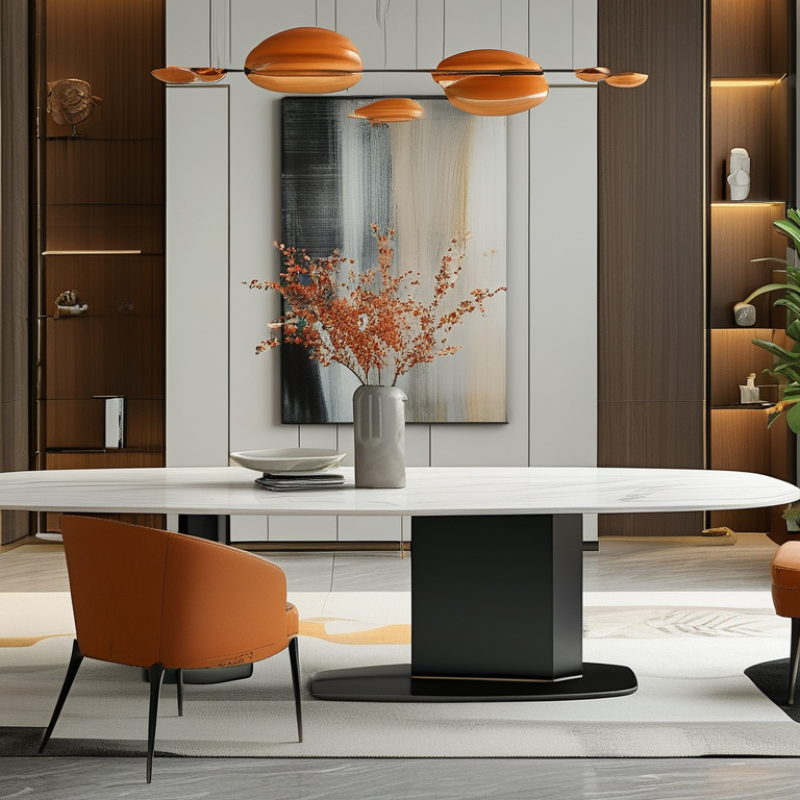
Overview of Aluminum Profiles in Furniture Design
Aluminum profiles have become a staple in furniture design, offering both aesthetic appeal and functional versatility. These materials are lightweight yet sturdy, making them ideal for various furniture applications. Designers now incorporate sleek aluminum frames in tables, chairs, and even shelving units. The modern look these profiles provide enhances any interior space, appealing to minimalists and contemporary styles.
In addition to their visual benefits, aluminum profiles stand out for their durability. They resist rust and corrosion, ensuring that pieces made from them last longer, even in challenging environments. However, the challenge lies in striking a balance between function and style. Some designs may overlook the need for innovation in manufacturing processes, which can lead to inefficient use of materials. While aluminum is recyclable, the industry faces criticism for its environmental footprint.
As designers continue to explore new applications, there is a growing need for sustainable practices. Investments in eco-friendly production and recycling methods are necessary steps for the future. A thoughtful approach to using aluminum in furniture can lead to both beautiful and responsible designs. The journey toward improving these materials is ongoing and requires reflection from all stakeholders in the design community.
2026 Top Furniture Aluminum Profiles for Global Buyers
Key Features of Top Aluminum Profiles for Furniture
When selecting aluminum profiles for furniture in 2026, several key features are crucial for buyers. Durability is paramount; look for corrosion resistance to ensure longevity. Aluminum can withstand various environments, making it suitable for indoor and outdoor furniture alike. Additionally, lightweight properties facilitate easy transport and assembly.
Consider the design versatility of aluminum profiles. They can be easily customized to suit different styles. This flexibility allows for creative furniture designs, accommodating both modern and traditional aesthetics. Another essential feature is the finish. Smooth surfaces and a variety of colors enhance the overall look.
**Tip**: When evaluating profiles, pay attention to the quality of the finish. A poor finish can lead to peeling or fading over time.
Another aspect to reflect on is the ecological impact. Choose profiles that use sustainable materials to reduce your carbon footprint. Recycling aluminum has become a standard practice. This choice not only supports the environment but also aligns with modern consumer values.
**Tip**: Review suppliers' sustainability practices to ensure responsible sourcing.
Trending Styles and Finishes in 2026 Furniture Aluminum Profiles
In 2026, furniture aluminum profiles showcase a blend of innovative designs and practical finishes. Minimalist aesthetics continue to dominate, with clean lines and sleek surfaces. This simple approach encourages seamless integration into diverse spaces. However, as more buyers seek unique character, bold finishes are becoming increasingly popular. Textured coatings and striking colors are catching the eye, adding a personal touch to otherwise industrial materials.
Sustainability is another key trend shaping the profile market in 2026. Eco-friendly finishes are not just a trend; they reflect a deeper commitment to environmental responsibility. Many buyers expect aluminum profiles to meet sustainability standards. However, sourcing these materials can be challenging. Designers need to balance style and durability, pushing the boundaries of creativity while remaining practical.
The blend of classic and modern elements is evident in trending styles. Some consumers prefer the warmth of matte finishes, while others opt for shiny, polished looks. Each choice speaks volumes about personal taste. Yet, it’s crucial to remember that not every combination will resonate with every buyer. It’s important to experiment and reflect on what truly works in each space. Adaptability and innovation will be key drivers in 2026.
2026 Top Furniture Aluminum Profiles for Global Buyers
| Profile Type |
Dimension (mm) |
Finish Type |
Color Options |
Application |
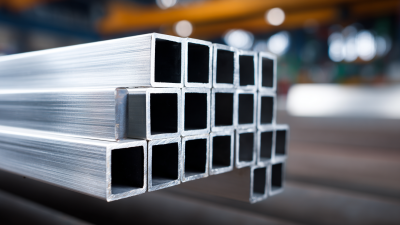
| Square Tube |
25 x 25 |
Anodized |
Silver, Black |
Furniture Frames |
| Rectangular Tube |
40 x 20 |
Powder Coated |
White, Grey |
Table Legs |
| Angle Profile |
30 x 30 |
Brushed |
Natural, Black |
Support Brackets |
| Channel Profile |
20 x 10 |
Anodized |
Champagne, Black |
Sliding Doors |
| Round Tube |
30 |
Polished |
Silver, Gold |
Chair Frames |
Global Manufacturers and Suppliers of Aluminum Furniture Profiles
When considering aluminum profiles for furniture, global manufacturers play a crucial role. They offer a diverse selection to meet the evolving market demands. From sleek designs to robust structures, these profiles cater to both aesthetic and functional needs. Understanding the manufacturing processes can aid buyers in making informed choices.
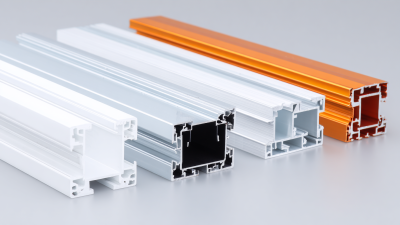
One important tip is to assess the quality of the aluminum used. Higher quality materials ensure longer-lasting products, which translates to better value. Additionally, consider the finish options available. Anodized or powder-coated surfaces not only enhance durability but also add visual appeal.
Global suppliers often provide customization services. This flexibility can help you tailor profiles to specific designs, benefiting unique projects. However, always inquire about lead times and minimum order quantities. Balancing customization with practicality can prevent complications down the line. As the industry evolves, staying informed and questioning manufacturer practices remains essential for all buyers.
Market Demand and Future Trends in Aluminum Furniture Profiles
The demand for aluminum profiles in the furniture industry is growing. Designers and manufacturers are increasingly recognizing the advantages of aluminum. It is lightweight yet durable, making it ideal for modern furniture designs. These profiles can create sleek and stylish furniture pieces. Their versatility allows multiple applications, from chairs to tables.
Future trends indicate a shift toward sustainable materials. Consumers are more environmentally conscious. They prefer products that are recyclable and produced with minimal waste. This will push manufacturers to seek innovative solutions in using aluminum. Combining aluminum with other materials can lead to unique designs. However, some challenges remain, including production costs and sourcing sustainable options.
The market is evolving, and trends reflect consumer preferences. However, the journey isn't without obstacles. Manufacturers must balance quality with affordability. Changes in regulations could also impact sourcing and production methods. These factors require constant adaptation in the industry. Embracing innovation while reflecting on these challenges is essential for future success.










 wechat