How to Effectively Use Aluminum Extrusion in Your Projects?
When it comes to project design and manufacturing, Aluminum Extrusion stands out. John Smith, an expert in the field, once said, "Aluminum Extrusion allows for innovation and efficiency in product design." This process creates versatile shapes with precise dimensions. Using Aluminum Extrusion effectively can enhance functionality and aesthetics in various applications.
Projects using Aluminum Extrusion should carefully consider design elements. It is critical to understand material properties and possible limitations. Miscalculations can lead to wasted resources and time. Collaborating with professionals can help identify potential issues during the design phase.
Incorporating Aluminum Extrusion into projects offers exciting opportunities. However, attention to detail is necessary. Choosing the right finishes, coatings, and alloy types can make a significant difference. Not all designs will succeed. Reflecting on setbacks helps refine future projects and fosters innovative solutions.

Understanding Aluminum Extrusion: Definition and Process Overview
Aluminum extrusion is a process where aluminum is pushed through a die to create specific shapes. This method allows for versatile design, which is crucial for many projects. According to a 2021 report by Freedonia Group, the global aluminum extrusion market is projected to reach $63 billion by 2026. This highlights its growing importance across various industries including construction and automotive.
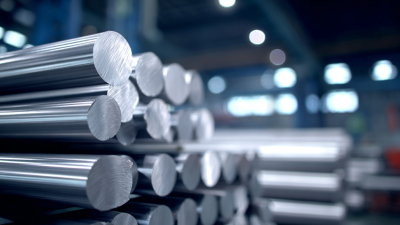
The extrusion process begins with heating aluminum ingots, making them pliable. They are then forced through a die under high-pressure conditions. This creates long sections with various cross-sectional profiles. Often, the quality of the final product hinges on careful temperature control. Failure to maintain the right heat can lead to defects or inconsistencies.
However, not all projects may achieve optimal results. Some might find the desired shapes are not achievable or face challenges with material strength. A Mind Commerce report noted that nearly 20% of extrusions fail to meet industry specifications. This underlines the need for careful planning and execution. Continuous improvements in extrusion technology aim to minimize such issues, but challenges remain in complex applications.
Key Advantages of Using Aluminum Extrusions in Various Applications
Aluminum extrusions offer many advantages for various applications. They are lightweight yet strong, making them ideal for structural components. This material resists corrosion, ensuring a longer lifespan. Additionally, aluminum is recyclable, which supports sustainability efforts.
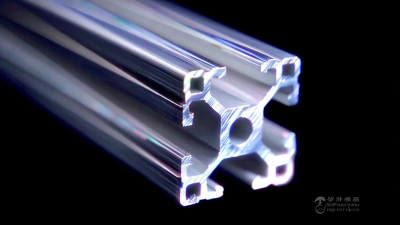
When using aluminum extrusion, consider your project needs. Think about the required strength and weight. Different shapes can serve unique purposes. For instance, hollow sections can reduce weight while maintaining strength. Ensure the design allows for easy assembly and modification.
Tips: Always verify the thickness of the extrusion. A common error is underestimating this factor. Test prototypes before committing to large runs. This helps avoid costly mistakes. Reflect on your design choices when working with aluminum. Sometimes, simpler designs yield better results.
Selecting the Right Aluminum Alloy for Your Extrusion Needs
Selecting the right aluminum alloy is critical for successful extrusion projects. Different alloys offer various properties that can affect weight, strength, and corrosion resistance. For instance, 6061 alloy is popular due to its good mechanical properties. It performs well in structural applications and has excellent weldability. On the other hand, 7075 alloy is renowned for its strength but is less suitable for welding.
When selecting an alloy, consider the application. If your project requires high strength and low weight, 2024 might be the ideal choice. However, it has lower corrosion resistance. Up to 80% of fabrication issues arise from improper alloy selection. Ensure you understand the mechanical requirements of your project before making a decision.
Tips: Always check the tensile strength and elongation properties of the alloy you choose. Knowing specific applications can greatly save on costs. Test small samples before committing to a large batch. This minimizes uncertainty and fosters better outcomes in your projects.
Aluminum Alloy Usage in Extrusion Projects
Design Considerations for Effective Aluminum Extrusion in Projects
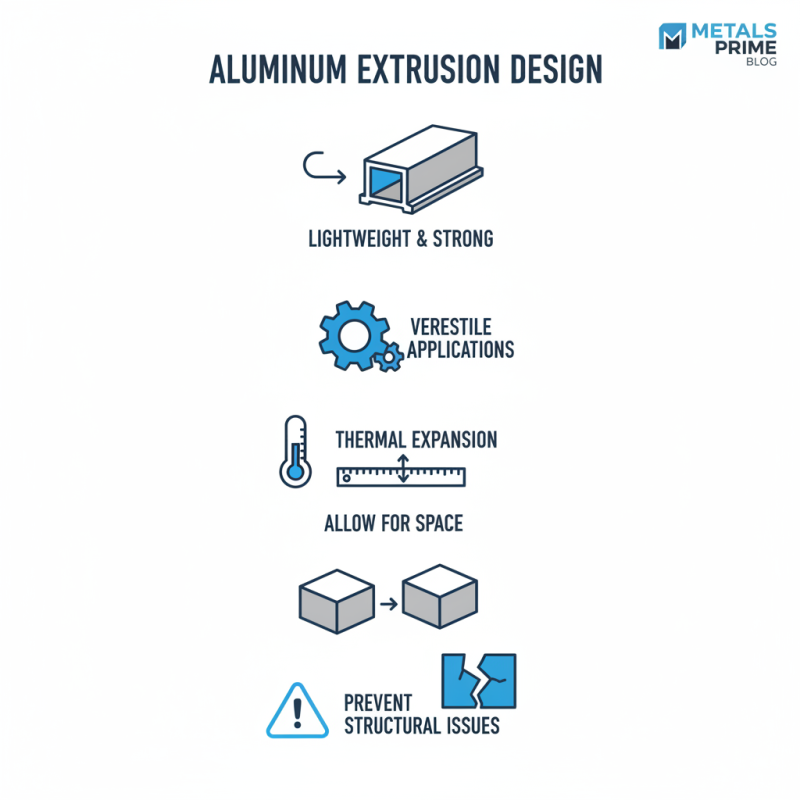
When designing with aluminum extrusion, understanding its properties is crucial. The material is lightweight, yet strong. This makes it ideal for various applications. However, one must also consider its thermal expansion. Leaving enough space for this is essential. Otherwise, your project might face structural issues later.
Another factor is the profile design. More complex shapes can provide unique aesthetics. However, intricate designs often complicate manufacturing and increase costs. Simplicity may be more functional in some cases. Balance aesthetics with practicality to avoid potential pitfalls.
Moreover, joining methods should not be overlooked. Welds can weaken aluminum if not done correctly. Mechanical fasteners might be more reliable in specific applications. Testing different methods can reveal the best approach for your project. Remember, even small details can impact the overall design.
Finishing Techniques to Enhance the Durability and Aesthetics of Extrusions
When using aluminum extrusion in your projects, finishing techniques are crucial. They not only enhance aesthetics but also improve durability. According to a report from the Aluminum Association, properly finished extrusions can last over 30 years in outdoor settings. This longevity is vital for sustainability and cost-effectiveness.
One effective technique is anodizing. This process increases corrosion resistance and provides a variety of color options. Interestingly, anodized finishes are less prone to scratching. Another approach is powder coating, which offers a tougher surface and better color retention. Reports suggest that powder-coated surfaces are often seven times more resistant than traditional paint.
Tip: Always test finishes on samples before finalizing. It can save time and resources. Remember, imperfections in the finishing process can lead to issues later. Ensuring optimal application conditions is essential. Doing so can mitigate common failures like peeling or bubbling.
Keep in mind,
surface preparation is equally important.
Dirty or improperly prepared surfaces may not bond well with the finish. This mistake can lead to premature wear and unsightly results. Regular inspections during and after application can help identify issues early, enhancing the overall quality of your project.







 wechat