How to Choose the Right Aluminum Channel Extrusion Profiles for Your Project?
Choosing the right Aluminum Channel Extrusion Profiles for your project is crucial. According to industry reports, the global aluminum extrusion market is expected to reach $124 billion by 2026, with a significant share coming from channel profiles. This makes the selection process more important than ever.
Experts emphasize that not all aluminum profiles are created equal. John Smith, a leading specialist in aluminum manufacturing, states, “Selecting the right profile can make or break your project’s success.” This highlights the need for careful consideration of factors like material strength, corrosion resistance, and fabrication options.
When deciding on Aluminum Channel Extrusion Profiles, details matter. For example, the channel width can affect load-bearing capacity. However, many overlook critical aspects like joining methods and finishes. An imperfect choice here can lead to increased costs or project delays, urging designers to reflect on their selections carefully.
Understanding Aluminum Channel Extrusion Profiles and Their Uses
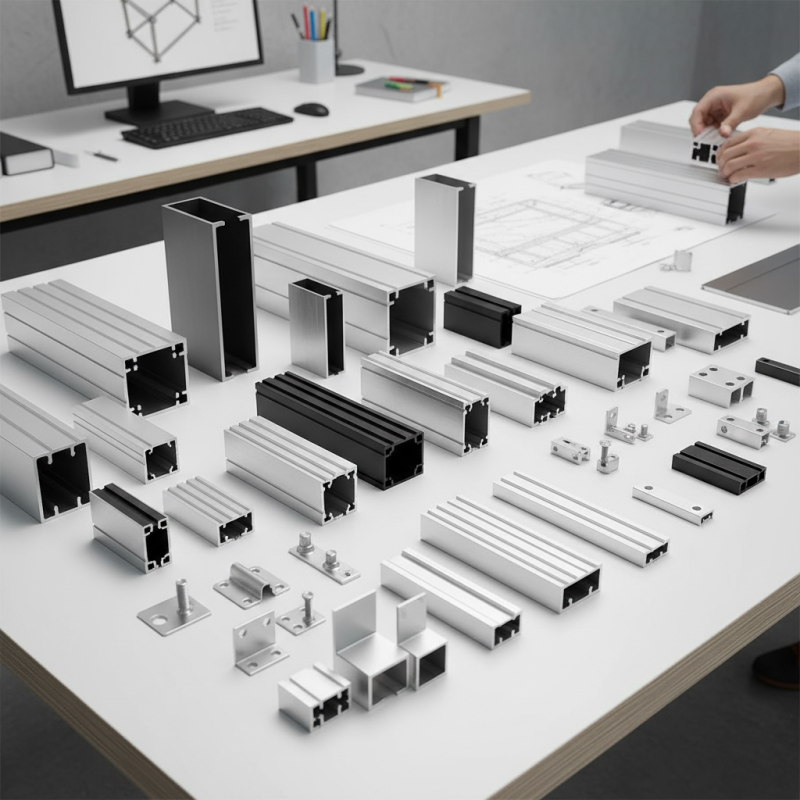
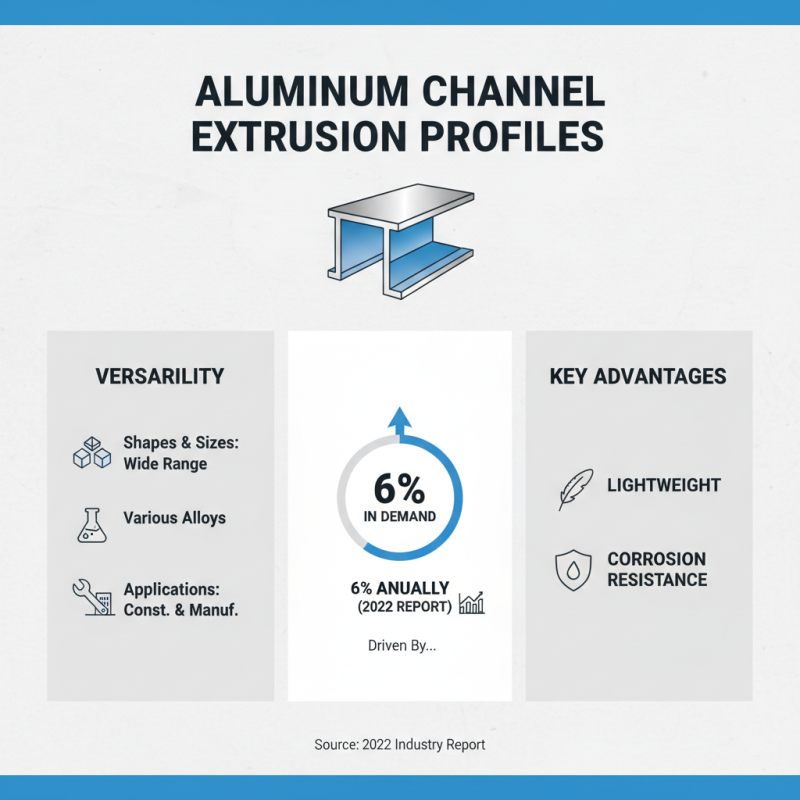
Aluminum channel extrusion profiles are widely used in various applications, from construction to manufacturing. These profiles come in different shapes, sizes, and alloys, making them versatile. According to a 2022 industry report, the demand for aluminum extrusions has grown by 6% annually. This is largely due to their lightweight nature and corrosion resistance.
When selecting the right profile, consider the intended use. Structural applications often require thicker walls for added strength. For decorative elements, slimmer profiles suffice. Tips: Always check the load capacity specifications before making a choice. Keep budget constraints in mind, as prices can vary significantly based on complexity and design.
Proper understanding of dimensions is crucial. Profiles that are too large may complicate assembly. Smaller profiles might not withstand the necessary weight. It’s essential to educate yourself on sizing standards. Small errors here can lead to significant project delays. Tips: Consider working with a local supplier who understands regional standards. They can provide insights on the best practices for your specific requirements.
Identifying Key Factors in Selecting Aluminum Channel Profiles
Choosing the right aluminum channel extrusion profile starts with understanding your specific project needs. Consider what the profile will support. Load-bearing capacities are crucial. Each application has different requirements. Measuring the dimensions is essential. Ensure your design can accommodate the selected profile.
Another factor to think about is the material grade. Not all aluminum alloys are created equal. Some may be more suitable for outdoor projects. Corrosion resistance is a vital quality. This could impact the structure's lifespan. Test your environment. Determine if the aluminum will face harsh conditions.
Don't forget about the aesthetic aspect. How will the channel look in your project? Finish options can influence the overall design. Anodized finishes can enhance durability. However, they may not suit every style. Be open to different possibilities. Sometimes, the simplest choice may not be the best. Always reflect on your selection process.
How to Choose the Right Aluminum Channel Extrusion Profiles for Your Project?
| Profile Type |
Dimensions (mm) |
Weight (kg/m) |
Material Grade |
Application |
| U Channel |
50 x 25 |
1.33 |
6061-T6 |
Structural Support |
| C Channel |
75 x 40 |
1.72 |
6063-T5 |
Framework |
| L Channel |
40 x 40 |
0.85 |
6061-T6 |
Bracing |
| T Channel |
50 x 50 |
1.10 |
6063-T5 |
Machinery Frames |
| Angle Channel |
30 x 30 |
0.60 |
6061-T6 |
Support Structures |
Comparing Different Aluminum Alloy Grades for Extrusions
When selecting aluminum channel extrusion profiles, understanding the alloy grades is crucial. Different grades offer varied properties. For instance, 6061 aluminum is versatile and easy to machine. It also provides good corrosion resistance. This makes it popular in many applications. However, it may not perform as well in high-stress situations compared to other alloys.
Another common choice is 6063 aluminum. This grade is favored for intricate shapes due to its excellent flow characteristics. It has a smooth finish, making it suitable for architectural applications. Yet, its strength is lower than 6061, which could limit its use in heavy-duty settings.
Tips: Consider the environment where the extrusions will be used. Some alloys withstand corrosion better than others. Testing different profiles can reveal unexpected results. You may find that a slight change in alloy composition leads to better performance. Keep in mind that the right choice affects the overall project success. Balancing strength, weight, and cost is vital.
Evaluating Structural Requirements for Your Specific Project
When evaluating structural requirements for your project, consider a few critical factors. The load-bearing capacity of aluminum channel extrusion profiles is essential. According to industry data from the Aluminum Association, structural integrity depends significantly on wall thickness. Profiles with thicker walls generally perform better under stress. However, thicker does not always mean better. Analyzing weight versus strength is necessary.
Tip: Calculate the expected load for your project before selection. Many projects fail due to underestimating load requirements. For instance, a lightweight design may seem appealing but could lead to costly failures in the long run.
Also, remember to review environmental factors. Differences in temperature and humidity can impact aluminum's performance. Reports show that extreme conditions may lead to expansion or contraction, influencing structural integrity. Choosing profiles with suitable anodization can alleviate these issues.
Tip: Always prototype. Testing your selected extrusion profiles in real-world conditions is invaluable. Adjustments based on this testing can prevent future structural issues. Striking a balance between various aspects is more challenging than it appears. Understanding the unique demands of your design is critical.
Evaluation of Aluminum Channel Extrusion Profiles Based on Structural Requirements
Assessing Cost and Availability of Aluminum Channel Options
When selecting aluminum channel extrusion profiles, cost and availability are key factors. Prices vary based on material quality and manufacturer. Often, lower-cost options can lack durability. Balancing budget and quality is crucial for project success.
Availability is another challenge. Some profiles may have limited stock, causing delays. This can impact project timelines. Research local suppliers to avoid long lead times. Consider custom orders if standard options don't fit.
Evaluating both cost and availability may lead to some compromises. You might find a high-quality profile is out of budget. Alternatively, a cheaper option may not meet your needs. Regularly reassess your choices throughout the project to ensure objectives are met without compromise.









 wechat