How to Choose the Best Aluminum Profiles for Windows and Doors?
Choosing the right aluminum profiles for windows and doors is crucial. These materials influence aesthetics and functionality. The right choice can enhance a building's appearance and improve energy efficiency.
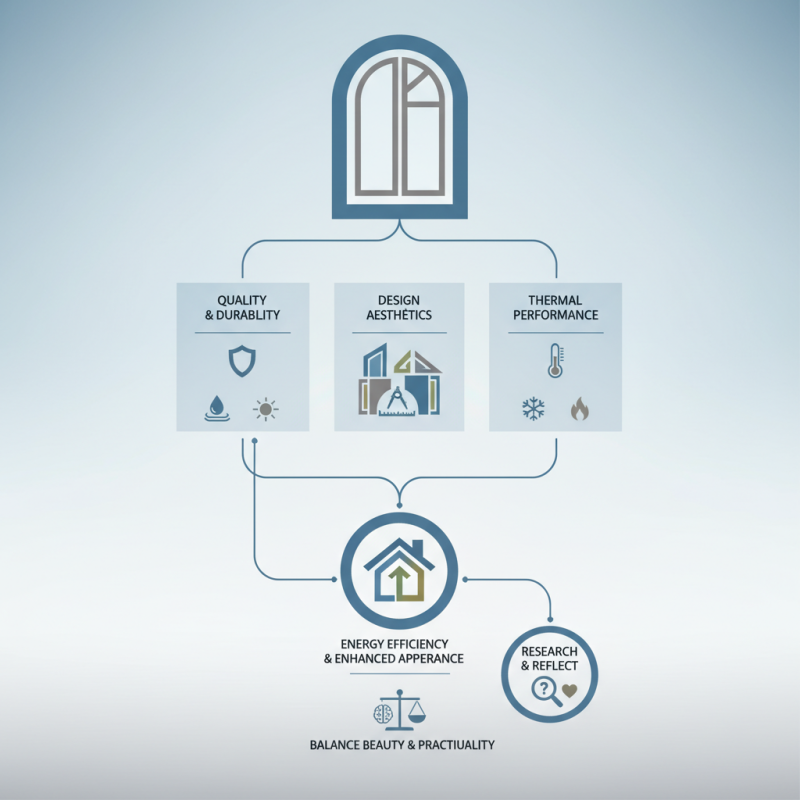
When selecting aluminum profiles for windows and doors, consider quality and durability. Look for profiles that resist corrosion and withstand weather conditions. Think about the design as well. Different styles can complement various architectural themes.
A common mistake is overlooking thermal performance. Poor insulation can lead to higher energy costs. It's essential to balance beauty and practicality in your decisions. Take your time to research options. Reflect on the needs of your space before making a choice.
Understanding Different Types of Aluminum Profiles for Windows and Doors
When choosing aluminum profiles for windows and doors, it's essential to understand the different types available. Common types include standard profiles, thermal break profiles, and structural profiles. Standard profiles are cost-effective and suitable for most applications. They work well in mild climates. However, they may not provide adequate thermal insulation in extreme temperatures.
Thermal break profiles offer enhanced energy efficiency. They include a plastic strip that reduces heat transfer. This type is ideal for homes in areas with significant temperature fluctuations. Yet, they tend to be pricier than standard options. You should weigh the costs against potential energy savings.
Structural profiles are designed for strength. They can support larger and heavier glass panes. This type is often used in commercial buildings or modern designs. However, choosing them without considering the overall architecture can lead to a mismatch in aesthetics. It's important to balance durability with design elements in your project.
How to Choose the Best Aluminum Profiles for Windows and Doors?
| Profile Type |
Application |
Advantages |
Disadvantages |
| Thermal Break Profiles |
Windows and Doors |
Improved thermal efficiency, Reduced condensation |
Higher cost, Requires specific manufacturing methods |
| Structural Profiles |
Storefronts and Heavy Duty Doors |
High strength, Durable |
Heavier, Potentially more expensive |
| Standard Profiles |
Residential Windows |
Cost-effective, Easy to manufacture |
Limited thermal performance, May warp over time |
| Decorative Profiles |
Architectural Features |
Aesthetic appeal, Variety of designs |
Potential for higher costs, Less structural strength |
Key Factors in Selecting Aluminum Profiles: Strength, Thermal Conductivity, and Weight
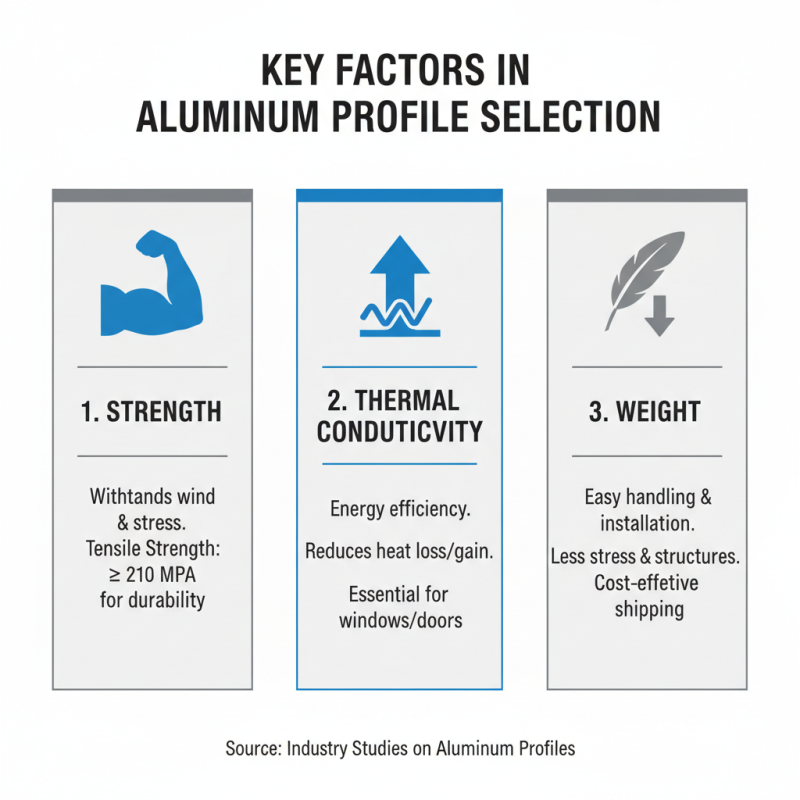
When choosing aluminum profiles for windows and doors, several key factors play a crucial role. Strength is vital. Aluminum profiles must withstand various stresses, such as wind pressure. According to industry studies, a profile's tensile strength affects its durability. Profiles with a tensile strength of at least 210 MPa are generally recommended for structural integrity.
Thermal conductivity is another critical aspect. Aluminum has good thermal conductivity, but can lead to heat loss. A standard profile's conductivity can be as high as 235 W/mK. To combat this, thermal breaks are often employed. These can reduce heat transfer, pushing the performance closer to energy-efficient standards. Profiles with thermal breaks can decrease energy costs significantly.
Weight also matters. Aluminum is lighter than materials like steel. This can ease installation and reduce shipping costs. However, heavier profiles can sometimes offer more stability. Finding the right balance is necessary. The average weight of an aluminum profile is around 1.5 kg/m, which can impact overall project costs. Each factor has trade-offs that require careful consideration. Decisions should be based on specific project needs to achieve the best results.
Comparative Analysis of Aluminum Alloys Used in Window and Door Applications
When selecting aluminum profiles for windows and doors, the choice of alloy is pivotal. Various aluminum alloys display unique properties that impact performance, durability, and aesthetics. Common alloys for this purpose include 6063 and 6061. The 6063 alloy is renowned for its excellent extrudability and surface finish. It’s ideal for complex shapes and offers a nice look. However, it may not have the strength of other alloys.
The 6061 alloy is stronger and more robust compared to 6063. This makes it a popular choice for structural applications. Yet, its thicker sections can complicate the design. Choosing between them often presents a dilemma. While 6063 is lighter and good for residential settings, 6061's strength is unmatched in harsher environments. However, buyers often overlook weight and might regret the decision later.
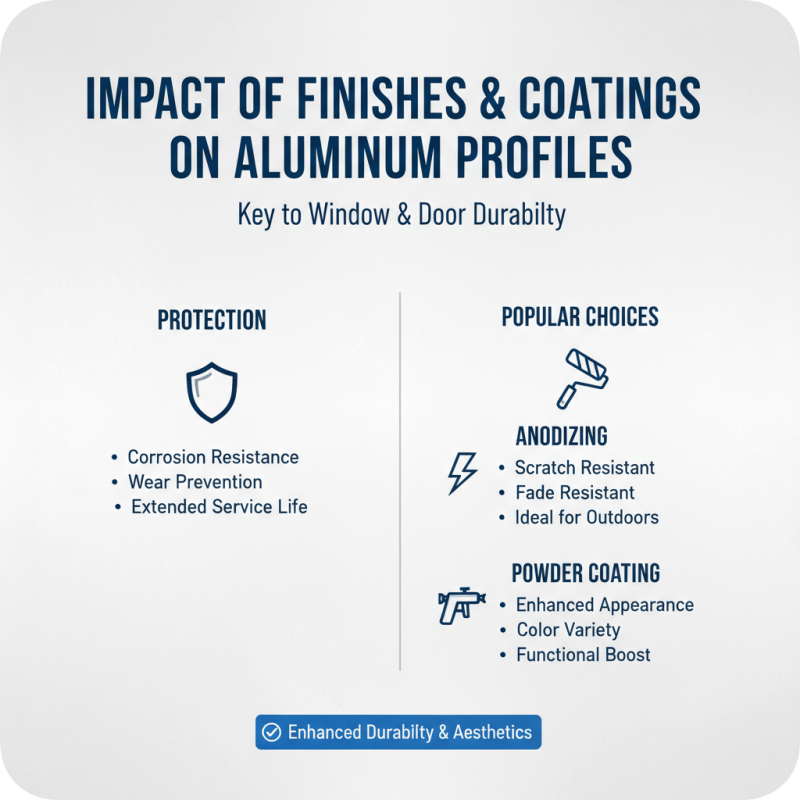
In addition, the treatment and finish of aluminum are critical. Anodizing can boost corrosion resistance but might raise costs. Powder coating offers various colors but can scratch easily. Users sometimes prefer color over durability, leading to maintenance issues. Balancing aesthetics with long-term functionality is essential. It's vital to consider not just immediate needs but future requirements as well.
Cost vs. Performance: Evaluating the Long-Term Value of Aluminum Options
When evaluating aluminum profiles for windows and doors, consider both cost and performance. The initial price can be appealing, but long-term value matters more. Cheaper options may lead to frequent repairs and replacements. This could hurt your budget over time. More expensive profiles often offer better insulation and durability. This can lead to savings on energy bills.
Think about the climate in your area. A strong profile may withstand harsh weather, reducing the need for maintenance. Don't forget aesthetic appeal. Some profiles look sleek but may not perform well. Finding that balance can be tricky. You might realize you need to spend more upfront for better results later.
Reflect on your expectations. Are you willing to compromise on performance for a lower price? It might feel right initially but could lead to regrets. Investing in high-quality aluminum profiles can pay off in the end. Consider longevity and energy efficiency as vital factors. Your decision should reflect both your immediate needs and future goals.
Cost vs. Performance of Aluminum Profiles for Windows and Doors











 wechat