How to Choose the Best Aluminum Corner Extrusion Profiles?
Choosing the right Aluminum Corner Extrusion Profiles is essential for various industries. According to industry reports, the demand for aluminum profiles has spiked. In 2022, the global aluminum extrusion market was valued at over $60 billion. This trend indicates a growing reliance on robust and versatile materials.
When selecting Aluminum Corner Extrusion Profiles, consider factors like design quality and strength. A well-engineered profile can enhance structural integrity. Conversely, poor choices may lead to project failures and increased costs. Industry experts recommend assessing profiles based on application-specific requirements.
Not all profiles are created equal. Some may lack the necessary durability for certain applications. This gap in quality can be a significant setback. Therefore, careful evaluation of the aluminum corner profiles is crucial for successful project outcomes.
Understanding the Importance of Aluminum Corner Extrusions
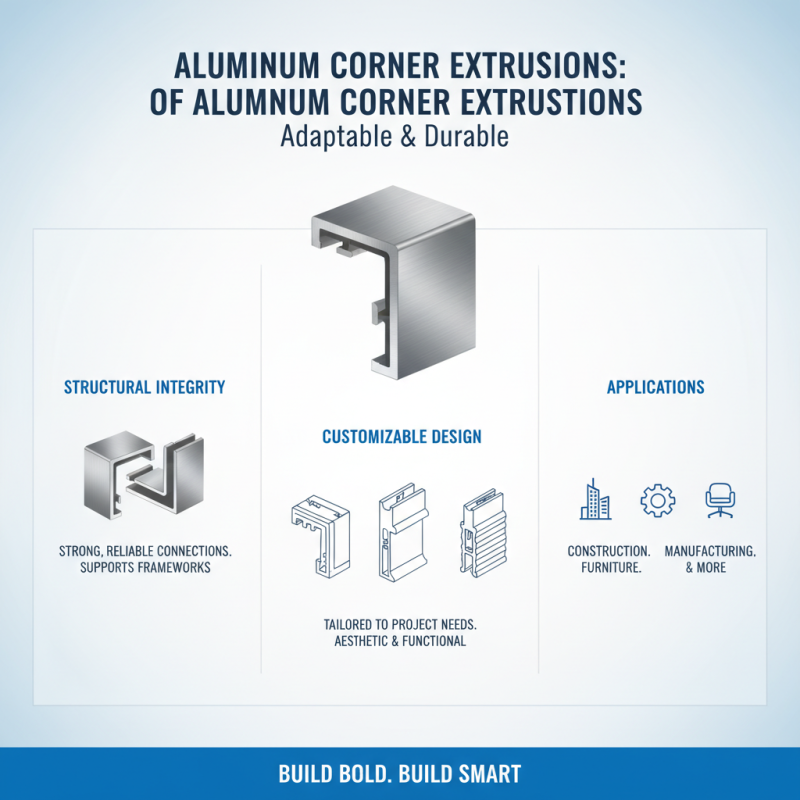
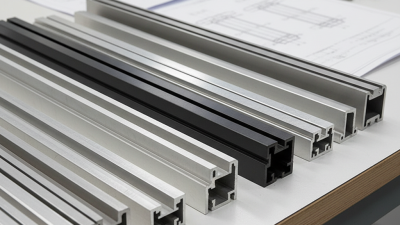
Aluminum corner extrusions play a vital role in various applications, from construction to manufacturing. They help create strong, durable connections in structural frameworks. Their significance lies not only in strength but also in their versatility. Designers can customize these profiles to fit specific project needs. This adaptability ensures that projects can maintain their aesthetic appeal while providing essential support.
Choosing the right aluminum corner extrusion is not always straightforward. Many factors come into play. For instance, the alloy composition affects strength and resistance to corrosion. It's also essential to consider the extrusion shape, as this will influence the overall performance. Occasionally, designers may overlook the impact of finishing techniques. A poor finish can lead to a decline in durability over time.
Reflecting on your choices is crucial. It’s easy to get lost in the variety of available options. Finding a balance between functionality and design can be challenging. While some extrusions may look appealing, they might not offer the required strength. Therefore, it is important to weigh your priorities carefully before making a decision. Making the right choice can lead to more efficient projects and lasting results.
Identifying Key Factors in Selecting Extrusion Profiles
Choosing the right aluminum corner extrusion profiles can significantly affect your project’s success. Key factors play a crucial role in making this decision. Start by considering the specific requirements of your application. Different projects may call for various strength, weight, or corrosion resistance properties.
Consider the profile’s geometry. The shape can influence how well it fits into your overall design. Complex shapes might offer aesthetic benefits but could complicate manufacturing or increase costs. If your project does not demand intricate designs, opting for simpler profiles can save both time and resources.
**Tips:** Always check the material specifications. Different alloys have varied properties. Researching these can prevent costly mistakes. Evaluate the size and weight too. Oversizing can lead to unnecessary expenses.
Don’t forget to consider production capabilities. Some extrusion profiles may require advanced tooling that not all manufacturers can provide. It’s essential to balance design needs with available manufacturing technologies. Sometimes, this requires a compromise. Reflect on what’s truly necessary for your project and avoid overengineering.
Comparing Different Aluminum Alloys for Corner Extrusions
When selecting aluminum alloys for corner extrusions, the choice impacts both function and aesthetics. Different alloys offer various strengths and flexibility. Common options include 6061 and 6063. These alloys are popular due to their excellent strength-to-weight ratio.
6061 alloy is strong and versatile. It provides good corrosion resistance, making it suitable for outdoor applications. However, some may find its machining more challenging compared to others. On the other hand, 6063 alloy is easier to extrude. It allows for more intricate shapes, but it might not have the same strength as 6061.
Choosing the right alloy requires careful consideration. Think about where the extrusions will be used. Aesthetic surfaces may favor 6063, while structural needs might lean towards 6061. Each option has pros and cons. Reflecting on your specific needs will lead you to the right choice.
Comparison of Different Aluminum Alloys for Corner Extrusions
This chart compares the tensile strength of different aluminum alloys commonly used for corner extrusions. The values are measured in megapascals (MPa). 6061-T6 and 7075-T6 stand out with the highest tensile strengths, making them ideal for applications requiring robust structural integrity.
Evaluating Design Specifications and Structural Requirements
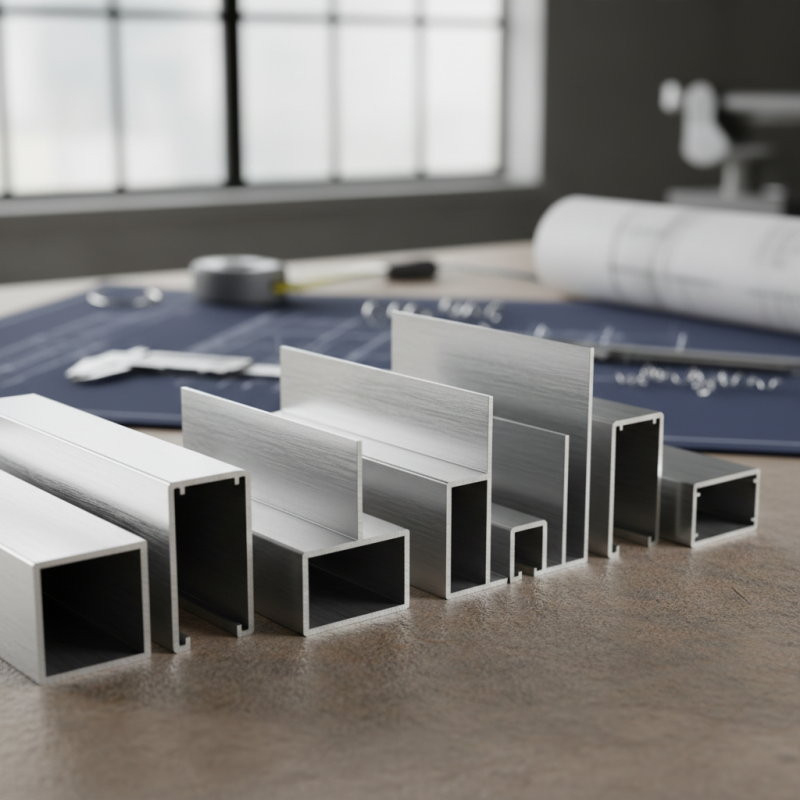
When choosing aluminum corner extrusion profiles, evaluating design specifications is crucial. Understanding the dimensions is essential. Profiles come in various shapes and sizes. Know the intended application. Will it be used for structural support or decorative elements? Each function requires different specifications.
Structural requirements cannot be overlooked. Load-bearing capabilities should match the use case. Consider factors like weight and stress levels. The extrusion's thickness may vary, influencing strength. When in doubt, consult with experts or reference engineering guides. Testing prototypes can also yield insights. Sometimes, practical experience reveals issues that documents don’t.
Designing may involve trade-offs. Aesthetics versus strength is a common dilemma. You might need a profile that looks appealing but lacks durability. It's easy to overlook these elements. Even experienced designers hit snags. They face challenges that require reflection and adjustment. Finding the right balance is key for optimal results.
Assessing Cost-Effectiveness and Supplier Reliability
When selecting aluminum corner extrusion profiles, evaluating cost-effectiveness is vital. A lower price may seem appealing, but it can sometimes lead to compromises in quality. Suppliers offering the cheapest products may cut corners in manufacturing. This can result in profiles that are less durable or not meeting your specifications.
Tips: Always compare prices among various suppliers. Look for transparency in pricing and hidden costs. Consider the total life cycle cost of the product, not just the initial price.
Supplier reliability plays a crucial role too. A dependable supplier delivers quality material on time. Delays can hinder your project timeline and lead to increased costs. Research the supplier’s history and reviews from past clients. A reliable supplier often has a strong track record of customer satisfaction.
Tips: Request samples to assess quality. Check their production capacity. It's important to understand their communication style and responsiveness as well. If they don’t respond quickly, consider it a red flag.
How to Choose the Best Aluminum Corner Extrusion Profiles?
| Profile Type |
Cost per Unit ($) |
Min Order Qty |
Lead Time (Weeks) |
Supplier Reliability (1-5) |
Material Thickness (mm) |
| Standard L-Shaped |
2.50 |
100 |
4 |
4 |
2.0 |
| Heavy-Duty Angle |
3.75 |
50 |
6 |
5 |
3.0 |
| Custom Profile |
5.00 |
10 |
8 |
3 |
2.5 |
| Slim Profile |
2.00 |
200 |
3 |
5 |
1.5 |







 wechat