2026 How to Choose Aluminum Channel Extrusion Profiles for Construction?
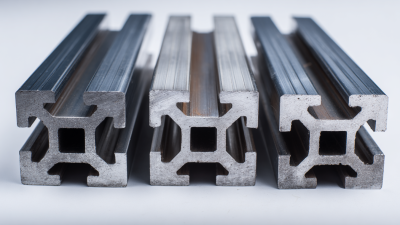
Choosing the right Aluminum Channel Extrusion Profiles for construction is crucial. These profiles are widely used due to their strength, lightweight nature, and versatility. They play a vital role in framing, structural supports, and architectural detailing.
Understanding the specific needs of your project is essential. Will the profile be exposed to harsh conditions or load-bearing situations? The answer to this question can significantly impact your material choice. Sourcing from reputable suppliers ensures quality and reliability.
However, it's easy to overlook details. Not all extrusions fit every application perfectly. Consider factors like compatibility, finish, and structural integrity. Take the time to reflect on your decisions. A thorough selection process can prevent costly mistakes down the line.
Understanding Aluminum Channel Extrusion Profiles and Their Uses
Aluminum channel extrusion profiles are highly versatile in construction. They serve various purposes, from structural support to aesthetic enhancements. Their lightweight nature and corrosion resistance make them ideal for diverse architectural applications. According to a report by the Aluminum Association, the use of aluminum in building construction has increased by over 30% in the past decade, emphasizing its growing relevance.
When selecting aluminum channel profiles, consider the specific application. Profiles can differ in size, shape, and alloy composition. For structural purposes, larger profiles with higher strength ratings may be essential. For decorative elements, thinner, more intricate profiles might suffice. Aim for profiles that align with environmental considerations. Many manufacturers now focus on sustainable practices, which enhance reliability.
Tip: Always check load-bearing capacities. An underperforming profile can compromise the entire structure.
Furthermore, customization is often possible. Tailored solutions can fit unique project specifications. This flexibility can lead to higher costs and longer lead times. Therefore, careful planning is key. Matching the profile to project needs should be a priority.
Tip: Consult with professionals to ensure you make informed choices.
2026 Aluminum Channel Extrusion Usage in Construction
Factors to Consider When Selecting Aluminum Profiles for Construction
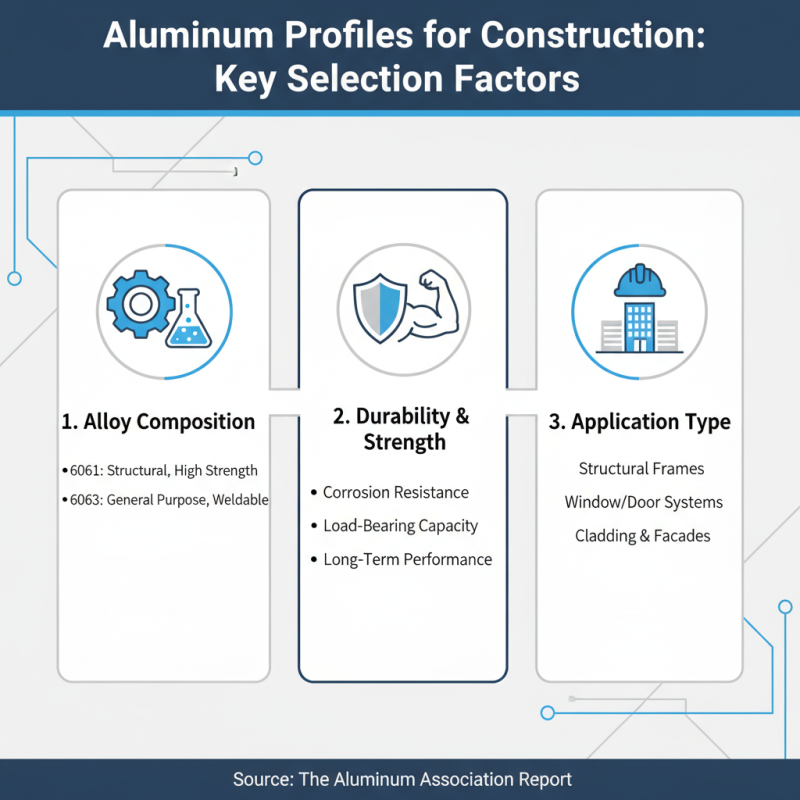
When selecting aluminum channel extrusion profiles for construction, several critical factors emerge. The alloy composition significantly affects the profile's durability and strength. Common alloys, such as 6061 and 6063, offer excellent corrosion resistance and good weldability. According to a report by the Aluminum Association, profiles made from 6061 are often preferred in structural applications due to their superior mechanical properties.
Another consideration is the profile's intended load-bearing capacity. Engineers must calculate the expected loads accurately. This ensures the chosen profile can support the structure safely. A misunderstanding here could lead to costly repairs or safety hazards. Load capacities can vary significantly based on the extrusion's shape and dimensions. Utilizing design software can help visualize and verify performance before selection.
Additionally, thermal performance is often overlooked. Aluminum conducts heat effectively, leading to potential thermal bridging in buildings. This can impact energy efficiency. A well-planned insulation strategy should accompany aluminum channels. Sustainability is also a concern, as recycling aluminum can reduce environmental impact. Careful evaluation of manufacturing processes and lifecycle assessments is necessary. Not all profiles meet high sustainability standards despite being made of recyclable material.
Types of Aluminum Channel Extrusions Available in the Market
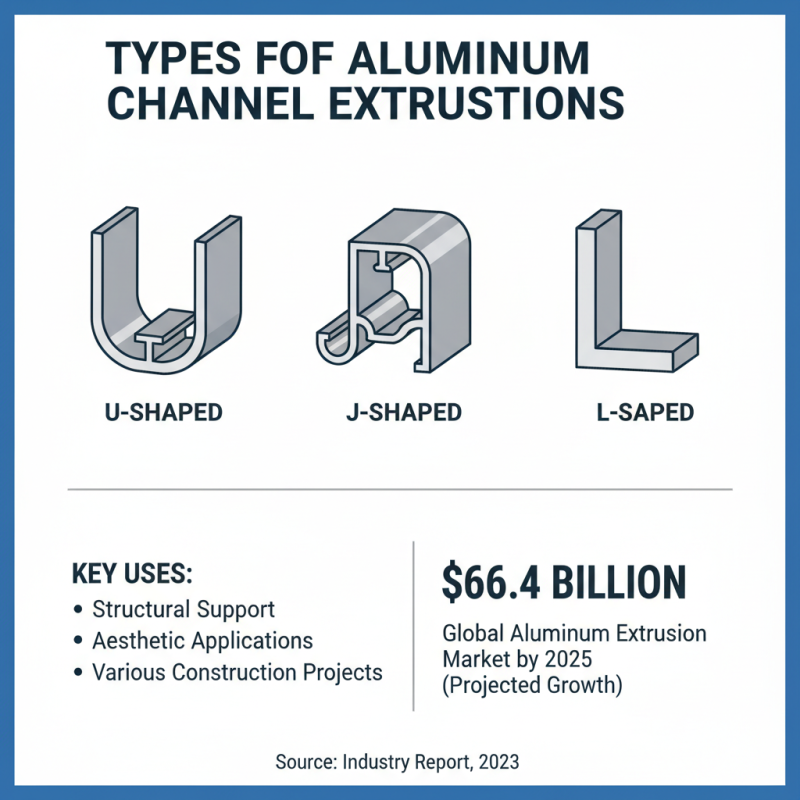
When choosing aluminum channel extrusion profiles for construction, it's essential to understand the various types available in the market. Common options include U-shaped, J-shaped, and L-shaped channels. Each type serves specific purposes, from structural support to aesthetic applications. According to a recent industry report, the global aluminum extrusion market is expected to reach $66.4 billion by 2025, indicating growing demand.
U-shaped channels are commonly used for framing and supports. J-shaped channels often find their place in signage and advertising due to their unique design. L-shaped channels provide corner support and strength in various construction projects. It’s crucial to select the right profile based on load-bearing requirements and design specifications.
Tips: Always consider the thickness and alloy type. These factors influence strength and durability. Conduct a cost-benefit analysis to ensure the best value. Remember, not all aluminum channels are created equal. You might find variations in quality and finish among suppliers. Prioritize reliable sources to avoid pitfalls in your project. The wrong choice can lead to structural failures or costly renovations.
Key Benefits of Using Aluminum Extrusions in Construction Projects
Aluminum extrusions are increasingly popular in construction projects. They offer several key benefits that enhance a building’s design and functionality. One major advantage is their lightweight nature. This makes them easy to handle and transport. Projects can proceed more efficiently when materials are lighter. Additionally, aluminum channels resist corrosion. This ensures durability over many years, reducing the need for frequent maintenance.
Another benefit of aluminum is its excellent strength-to-weight ratio. This allows for strong structural support without the need for heavy components. Designers value this quality as it opens up new possibilities for innovative architectural designs. Moreover, aluminum extrusions are highly customizable. This versatility lets architects and builders create specific shapes tailored to their project needs. For example, they can be produced in various sizes and finishes.
However, challenges do exist. Some may find aluminum to be costlier than other materials initially. This can raise budget concerns during project planning. Yet, the long-term savings in maintenance and energy efficiency often offset this initial cost. It’s crucial to consider the overall lifecycle of the material. Making informed choices about aluminum extrusions can lead to successful outcomes in construction projects.
Best Practices for Installing and Maintaining Aluminum Channel Profiles
Installing aluminum channel profiles requires attention to detail and precision. Start by ensuring that all surfaces are clean and free from debris. Any dirt can affect adhesion and compromise stability. Use appropriate tools for cutting and drilling, focusing on maintaining straight edges. A level installation ensures proper alignment, preserving both function and aesthetic. Remember that aluminum can expand and contract with temperature changes, so consider this when fitting.
Maintenance is crucial for the longevity of aluminum profiles. Regular cleaning prevents corrosion and keeps surfaces looking new. Use mild detergents and soft cloths to avoid scratching. Inspect connections and joints routinely. Tighten any loose fittings and address rust or scratches immediately. An overlooked problem can lead to bigger issues, such as structural failure. Be mindful of wear and tear, particularly in high-traffic areas. Sometimes, you need to reflect on your approach and adjust practices to ensure reliability.
2026 How to Choose Aluminum Channel Extrusion Profiles for Construction? - Best Practices for Installing and Maintaining Aluminum Channel Profiles
| Profile Type |
Dimensions (mm) |
Weight (kg/m) |
Load Capacity (kg) |
Common Applications |
| Standard Channel |
40 x 40 |
1.2 |
100 |
Frameworks, Structural Support |
| Slotted Channel |
30 x 30 |
0.9 |
80 |
Shelving, Racking Systems |
| Lipped Channel |
50 x 25 |
1.5 |
150 |
Conveyor Systems, Automotive |
| Flat Channel |
20 x 10 |
0.6 |
50 |
Signage, Decorative Elements |
| Heavy Duty Channel |
100 x 50 |
3.0 |
300 |
Industrial Machinery, Frameworks |









 wechat