Why Choose Standard Aluminum Profiles for Your Projects?
In the construction and manufacturing sectors, selecting the right materials is crucial. Experts emphasize the importance of using quality products. David Larson, an industry leader, states, "Standard Aluminum Profiles can transform your project with durability and versatility." His insight reflects a common belief among professionals.
Standard Aluminum Profiles are favored for their strength and lightweight nature. They provide a reliable choice for various applications. Architects and engineers often prefer these profiles due to their ease of use and cost-effectiveness. Yet, some may overlook the importance of sourcing from trusted manufacturers. Not all profiles meet the same standards of quality.
There is room for improvement in ensuring consistent quality control. Stakeholders must prioritize reliable suppliers. Investing in high-quality Standard Aluminum Profiles can lead to long-term benefits. The decision can significantly impact a project's success. Reflecting on choices made today shapes successes and failures in the future.
Advantages of Standard Aluminum Profiles in Construction Projects
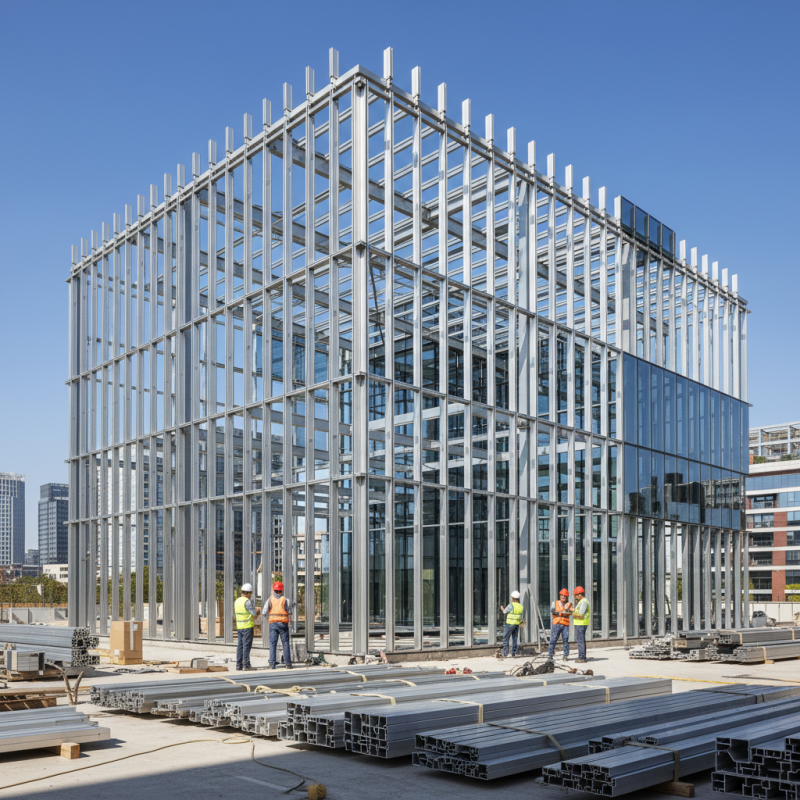
Standard aluminum profiles are gaining popularity in construction projects. They offer numerous advantages that make them reliable choices for builders and architects alike. One major benefit is their lightweight nature. This feature simplifies transportation and installation. Additionally, aluminum is resistant to corrosion, ensuring longevity even in harsh environments.
When selecting aluminum profiles, consider their versatility. They can be easily shaped into various forms. This adaptability allows for creative designs. Additionally, standard profiles simplify the planning process, as they come with predefined dimensions. However, it's crucial to assess if these profiles meet specific project needs. Sometimes, customized solutions might be more suitable.
Tips: Always check the local standards for aluminum usage. Understanding these regulations can prevent potential issues. Ensure your team is trained in installing aluminum profiles for optimal results. Quality installation is vital for the structure's integrity.
Why Choose Standard Aluminum Profiles for Your Projects?
| Feature |
Description |
Advantages |
| Lightweight |
Aluminum profiles are significantly lighter than steel and other materials. |
Easier to handle and install, reducing labor time and costs. |
| Corrosion Resistance |
Aluminum naturally forms a protective oxide layer that resists corrosion. |
Longer lifespan and minimal maintenance required. |
| Versatility |
Can be easily extruded into various shapes and sizes for different applications. |
Suitable for a wide range of construction projects. |
| Cost-Effectiveness |
Generally lower cost compared to other metals, coupled with low maintenance needs. |
Reduces overall project costs. |
| Recyclability |
Aluminum can be recycled multiple times without losing its properties. |
Environmentally friendly option in construction. |
Key Properties of Aluminum: Strength, Durability, and Lightweight Benefits
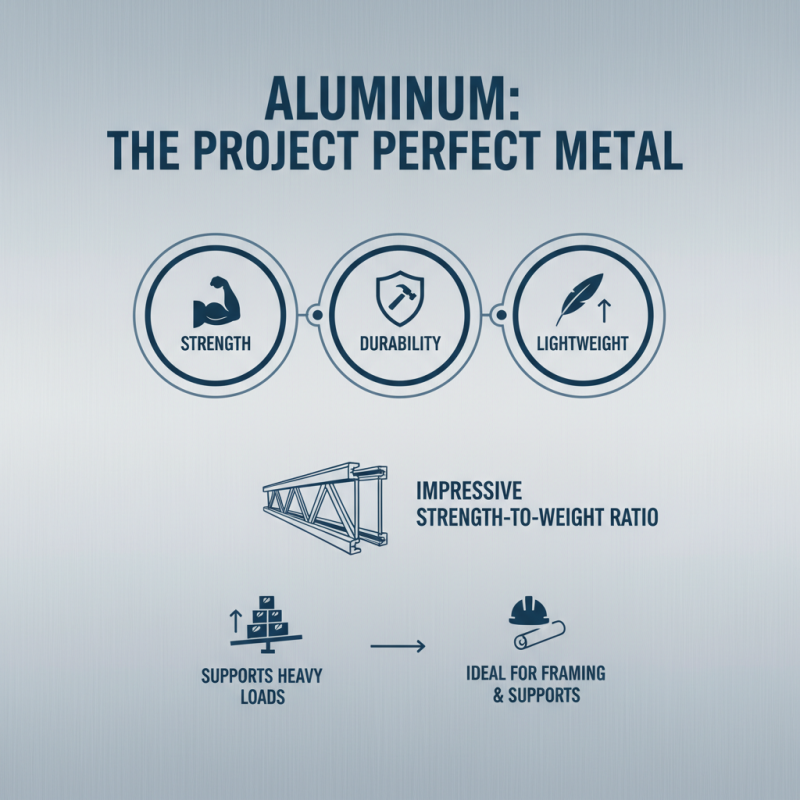
Aluminum is renowned for its key properties: strength, durability, and lightweight benefits. These attributes make it an ideal choice for various projects. Its strength-to-weight ratio is impressive. This means aluminum structures can support heavy loads while remaining light. Builders and designers often prefer it for framing and supports.
Durability is another essential factor. Aluminum is resistant to rust and corrosion. This extends the lifespan of projects significantly. Imagine a railing or window frame that retains its appearance over time. That’s the power of aluminum. Yet, it’s crucial to consider specific environmental factors. Not all aluminum handles extreme conditions equally.
Lightweight benefits can be a double-edged sword. Although easier to transport, lighter materials may sometimes raise concerns about stability. Fine-tuning designs is necessary to address these issues. Balancing weight and strength can lead to innovative solutions. Enthusiasts often experiment with various profiles to perfect their craft. The result? Unique, functional designs that stand the test of time.
Cost-Effectiveness of Standard Aluminum Profiles: A Comparison with Alternatives
Standard aluminum profiles have gained popularity in various projects due to their cost-effectiveness. When compared to alternatives, they often present a more affordable solution. The initial investment in standard aluminum is usually lower, which can be a decisive factor for budget-conscious projects. Additionally, they offer significant durability and longevity, reducing the long-term costs associated with replacements or repairs.
In contrast, some alternatives may seem appealing, yet they can lead to unexpected expenses. For example, while certain composite materials might have a lower price tag, their maintenance can be costly. Standard aluminum profiles also require minimal upkeep. Aesthetic choices may lead to higher expenses with options like premium plastics or wood. But, these materials can fade, warp, or degrade over time, potentially leading to more financial strain.
Moreover, while exploring options, one might overlook the environmental impact. Aluminum is recyclable, which helps reduce waste. In this regard, standard aluminum profiles can contribute positively to sustainability goals. But it’s crucial to balance cost with quality. Sometimes cheaper alternatives compromise on structural integrity, leading to costly mistakes later on. A thoughtful selection process is essential for long-term project success.
Performance Metrics: How Aluminum Profiles Outperform Other Materials
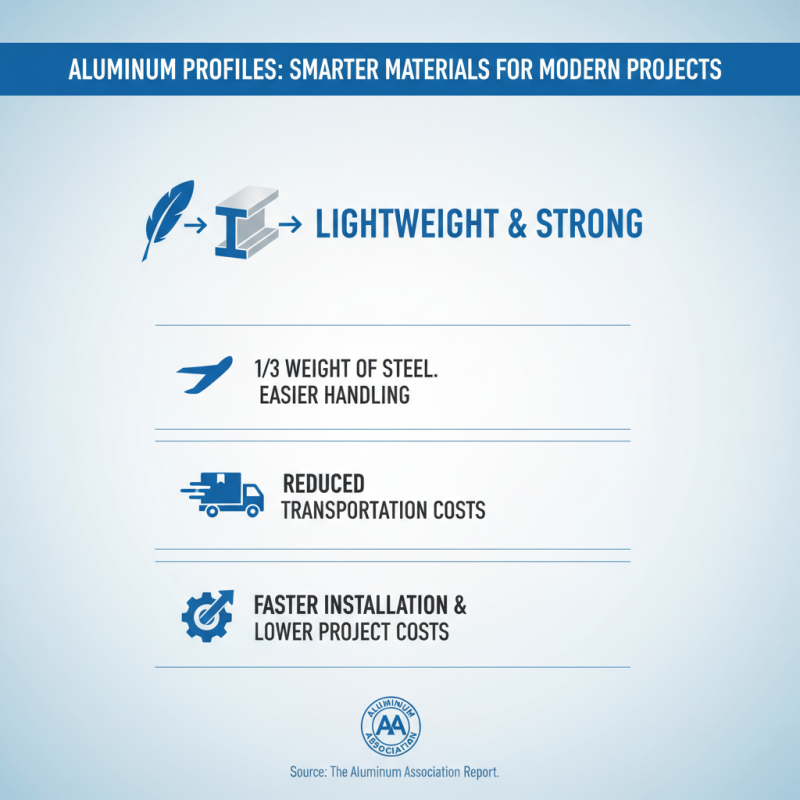
Aluminum profiles have distinct advantages over other materials. They offer a combination of lightweight properties and remarkable strength. According to a report by the Aluminum Association, aluminum is about one-third the weight of steel while maintaining structural integrity. This weight advantage leads to easier handling and transportation, which can lower project costs significantly.
Moreover, aluminum profiles excel in corrosion resistance. Unlike steel, they do not rust, making them ideal for demanding environments. A study published in the Journal of Materials Science highlights that aluminum can last up to 25 years without heavy maintenance. This long lifespan is a notable performance metric for architects and engineers focused on sustainability.
Additionally, aluminum's thermal efficiency plays a vital role in energy-saving strategies. It has a lower thermal expansion compared to other commonly used materials. When subjected to temperature fluctuations, aluminum profiles remain stable. However, it’s essential to consider that aluminum can also be more expensive upfront in some applications. Evaluating the total cost of ownership can provide a clearer picture of its long-term benefits.
Sustainability Considerations of Using Standard Aluminum in Projects
Sustainability is a key factor in today's construction projects. Standard aluminum profiles present an eco-friendly choice for builders and architects alike. Aluminum is a highly recyclable material, reducing waste. When you choose standard profiles, you support a circular economy.
However, the process of aluminum extraction can be energy-intensive. Mining bauxite is not without its challenges. The environmental impact is significant. Transitioning to recycled aluminum is crucial. Yet, the industry still relies heavily on virgin materials. This raises questions about progress.
Standard aluminum profiles are versatile and strong. They offer durability that can extend a project’s lifecycle. Yet, the reliance on this material must consider sustainability goals. Seeking greener alternatives or improvements in recycling would enhance sustainability. It's an ongoing journey, not a destination.
Aluminum Profiles Applications and Sustainability Benefits







 wechat