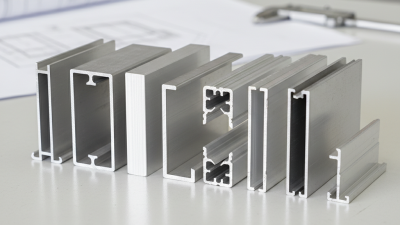
Choosing a China-based Channel Aluminum Extrusion Profiles manufacturer is not just a price comparison. The right supplier must understand the profile’s job, the alloy, and the conditions it will face. A channel used for a light display frame has different needs from one supporting machinery or architectural panels. Small details matter: wall thickness, corner radius, straightness, and the fit of a mating part. A drawing can look clean on screen and still cause trouble on the production line.
Aluminum materials author J. Gilbert Kaufman provides a useful technical perspective on selecting alloys and tempers. The following is an editorial paraphrase, not a verbatim quotation: “Match the aluminum alloy and temper to the application, not just the product label.” That principle helps buyers ask better questions. Can the manufacturer hold the specified dimensions across a long extrusion? Does it inspect samples with calibrated tools? Can it explain its surface-finishing options and packaging methods? Ask for drawings, inspection records, and a production sample where practical. Look closely at cut ends and the finish under ordinary lighting. A polished photograph is not enough. Some buyers, myself included, can focus too heavily on quoted price; that is an easy mistake. This guide examines how to compare Chinese manufacturers through technical capability, communication, quality checks, and realistic lead times. The strongest choice is not always the largest factory. It is the supplier that can show how its process fits your requirements—and admit where it cannot.
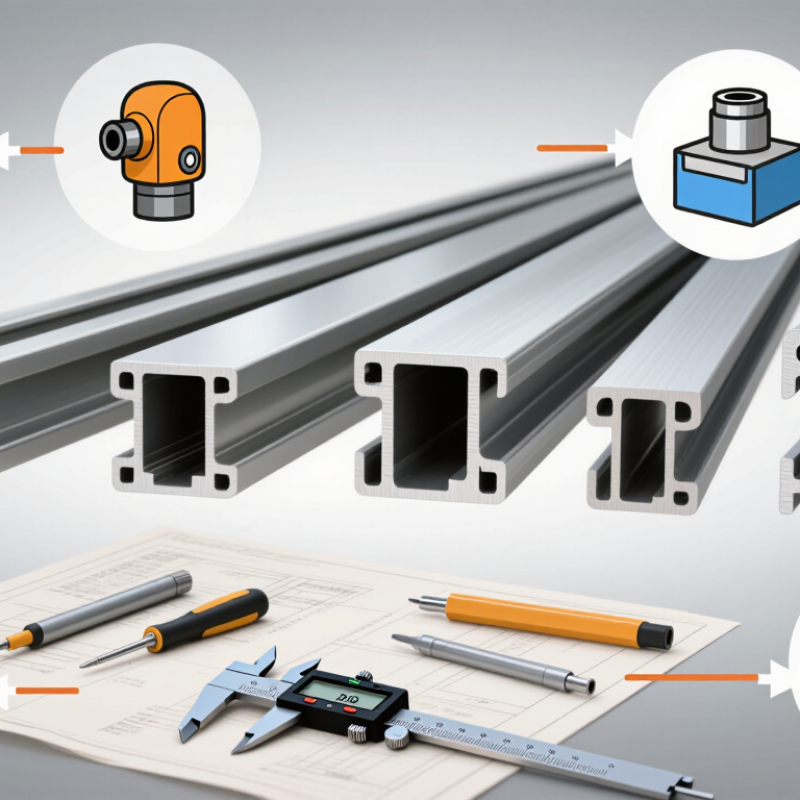
Channel aluminum extrusion profiles are long components with a C-shaped or U-shaped cross-section. A heated aluminum billet is pressed through a shaped steel die, creating a continuous profile that can be cut to length. The flat base is the web; the sides are flanges. Some designs include slots or grooves for fasteners. A simple shape, with useful flexibility.
These profiles appear in machine frames, sliding guides, shelving, and equipment enclosures. Their open shape can reduce weight, but strength depends on alloy, wall thickness, span, and loading. A channel that works as a cable guide may not be suitable as a structural support. Check engineering drawings and load requirements before specifying one.
The International Aluminium Institute reports that about 75% of all aluminum ever produced remains in use, reflecting the material’s long service life and recyclability. The U.S. Department of Energy states that recycled aluminum uses about 95% less energy than primary production. These figures describe aluminum broadly, not every extrusion or finished product. Surface finish, dimensional tolerances, and installation conditions still matter.
One detail is easy to miss: thin flanges may flex under concentrated loads. Check the actual section data.
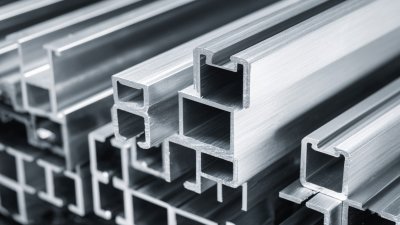
Aluminum channel profiles begin as cylindrical billets, commonly heated to roughly 400–500°C for many 6xxx-series alloys. A hydraulic press pushes each billet through a shaped steel die, forming the channel’s open profile. The hot extrusion is then cooled, stretched to correct twisting, and cut to length. Depending on the alloy and temper, artificial aging can improve strength. Die design and temperature control matter; small variations may affect wall thickness or straightness.
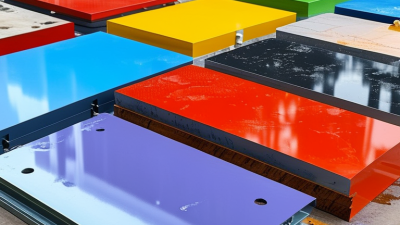
Finishing starts with inspection for dimensions, surface marks, and distortion. Profiles may be machined, anodized, or powder-coated to suit their use. Coating choice should follow the working environment, not appearance alone. For example, exposed outdoor channels may need stronger corrosion protection than indoor trim. The International Aluminium Institute reports that about 75% of all aluminium ever produced remains in use, highlighting the value of recovering clean extrusion offcuts for recycling. Still, recycling quality depends on keeping alloy grades and coatings properly managed.
Tips: Ask for the alloy, temper, dimensional tolerances, and finish specification before production. Check a sample under actual lighting; minor scratches can be easy to miss. Details matter.
Channel aluminum profiles are commonly extruded in 6063 for smooth surfaces and intricate shapes, or 6061 and 6005A where higher strength is needed. The right alloy depends on load, corrosion exposure, finish, and machining—not just price. A 2022 International Aluminium Institute and CRU outlook projected global aluminum demand to rise from 86.2 million tonnes in 2020 to 119.5 million tonnes by 2030. This growth makes precise specifications more important.
Custom options can include channel width, height, wall thickness, corner radius, and cut length. Dimensions should be checked against drawings and the intended assembly; a few millimeters can affect fit. Profiles may also be supplied with drilled holes, slots, anodizing, or powder coating. Small details matter. Thin walls can reduce weight, but may twist during handling or installation. Ask for sample measurements and tolerances before approving production.
Tips: Share a dimensioned drawing, alloy temper, finish, and expected load. Request a trial piece for fit checks. Fit first. Surface appearance alone does not confirm strength.
Representative minimum tensile strength values are shown for common extrusion tempers; applicable requirements vary by product standard, thickness, and specification. Channel dimensions—including web width, flange width, wall thickness, and cut length—can be customized, subject to tooling and engineering feasibility. Alloy, temper, surface finish, cutting, and machining options depend on the project.
Channel aluminum extrusion profiles are common wherever a project needs a straight, lightweight support with an open side. Their U-shaped cross-section can guide panels, cover edges, or hold components in position. In machine frames, they often carry wiring, guards, brackets, and adjustable mounting rails. A practical example is a channel fixed beneath a workbench to keep cables away from feet and moving tools. Small details matter.
In buildings, channels can support ceiling panels, partition edges, signs, and lighting components. Their clean lines suit both visible and concealed installations. For outdoor use, the alloy and surface finish should match exposure to moisture and temperature changes. A profile that looks suitable indoors may not perform as expected outside. Check the installation conditions.
Channels also appear in vehicle interiors, display fixtures, and electronic enclosures, where they help organize parts or provide a mounting edge. Selection depends on the load, span, wall thickness, and fastening method—not shape alone. For heavier assemblies, verify the profile’s capacity with design data rather than relying on appearance. Extrusions are adaptable, but they are not automatically rigid. Dust can also collect inside an open channel, so cleaning access deserves attention during design.
When evaluating leading channel profile manufacturers in China, start with the drawing, not the sales pitch. Ask how they review wall thickness, corner radii, straightness, and the fit between mating parts. A capable technical team should flag tight tolerances that may raise tooling costs or slow production. Details matter.
Request sample profiles made with the proposed alloy and temper, then inspect them under consistent lighting. Check dimensions with calipers, examine surfaces for die lines or scratches, and test whether each channel seats correctly in your assembly. Ask for inspection records, batch traceability, and clear explanations of rejected pieces. A sample is useful, but one sample cannot show process stability.
Also compare die ownership, maintenance plans, extrusion capacity, finishing options, packaging, and realistic lead times. Ask who handles drawing revisions and how changes are approved. Written answers help; vague promises do not. Still, a checklist can miss things: a clean sample may hide inconsistent production, and the lowest quote may exclude protective wrapping. Evaluate communication during technical discussions, not only price. Clear limits and honest trade-offs often reveal more than a polished brochure.