10 Best Architectural Aluminum Profiles for Modern Design?
In contemporary architecture, the use of Architectural Aluminum Profiles has become increasingly significant. Industry reports indicate that the architectural aluminum market is projected to reach $187 billion by 2025. This growth underscores the demand for aesthetic, lightweight, and durable materials in modern designs. Architects and designers lean towards these profiles for both functional and visual appeal.
As buildings become more complex, the versatility of architectural aluminum is vital. These profiles offer endless possibilities for customization. They cater to various design aesthetics, from sleek minimalist looks to bold innovative structures. Yet, the challenge lies in choosing the right profile that balances form and function. Not every aluminum profile is suitable for every project; performance requirements differ widely based on design intent.
Moreover, the process of integrating architectural aluminum into designs requires reflection. Designers must consider sustainability, manufacturing, and lifetime impacts. Selecting high-quality profiles can lead to environmental benefits and long-term cost savings. However, the temptation to prioritize aesthetics over functionality can lead to regrets when performance issues arise. Balancing these factors is crucial for successful architectural outcomes.
Understanding Architectural Aluminum Profiles and Their Benefits
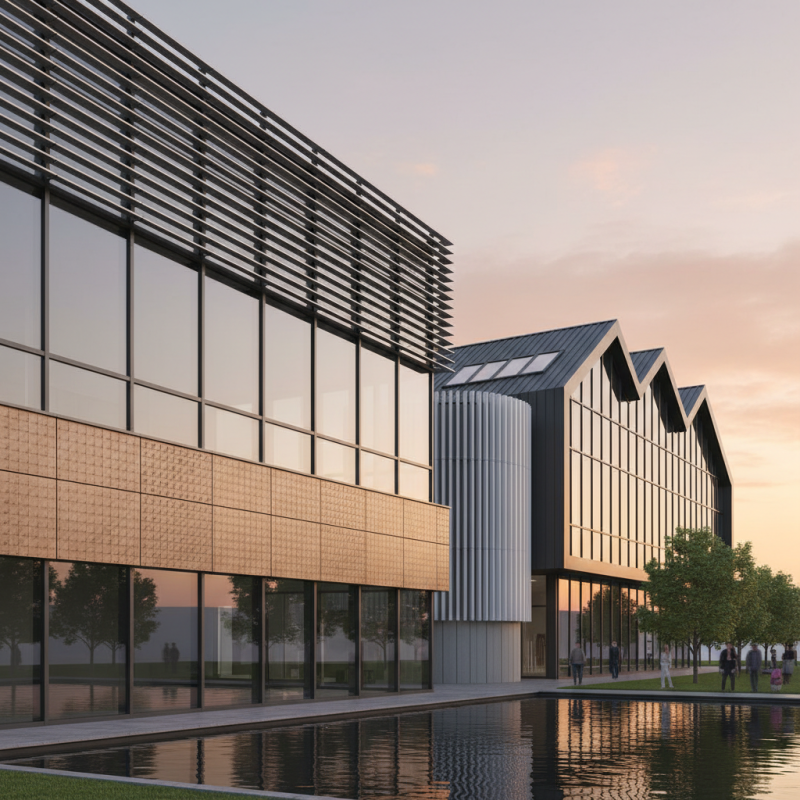
Architectural aluminum profiles have become essential in modern design. They offer strength, lightweight properties, and versatility. Architects and designers appreciate their ability to create sleek, contemporary aesthetics. Profiles come in various shapes and sizes. They can frame windows, doors, and facades. This adaptability allows for innovative designs that stand out.
One of the primary benefits of using aluminum is its durability. Unlike other materials, aluminum resists corrosion and weathering. This attribute ensures longevity and low maintenance. However, some designers may overlook thermally broken aluminum options. These options enhance energy efficiency but may come with higher costs.
Incorporating aluminum profiles can improve overall architectural projects. They can accommodate complex geometries with ease. However, achieving perfect installation can be tricky. Misalignment or poor joining can lead to issues later. Attention to detail during design and assembly is crucial. Recognizing these imperfections is key to refining the use of aluminum profiles.
Key Features to Look for in Modern Aluminum Profiles
When evaluating modern aluminum profiles, several key features stand out. Durability is critical. Aluminum profiles can withstand various weather conditions without significant degradation. Reports indicate that aluminum can last 30 years or more with proper treatment. This longevity makes it a favorite in architectural design.
Another significant feature is thermal efficiency. Modern aluminum profiles often incorporate thermal breaks. This helps reduce energy costs by preventing heat transfer. Research shows that well-designed aluminum systems can improve energy efficiency by up to 30%. This benefit appeals to eco-conscious builders and architects.
Aesthetic flexibility is also crucial. Aluminum profiles can be customized in shape and finish. They offer sleek lines and a modern appearance, which aligns with contemporary design trends. However, the challenge lies in balancing aesthetics and functionality. Not every profile design achieves this. Designers often need to test combinations to find what truly works. It’s an ongoing process of trial and error that continually shapes the industry.
10 Best Architectural Aluminum Profiles for Modern Design
| Profile Name |
Key Features |
Applications |
Finish Options |
| Slim Flat Bar |
Lightweight, high strength, customizable |
Window frames, furniture |
Powder-coated, anodized |
| Structural Tube |
Robust design, excellent load-bearing |
Support structures, railings |
Brushed, anodized |
| Corner Profile |
Easy installation, seamless connections |
Walls, decorative elements |
Glossy, matte |
| Channel Section |
Versatile, good for mounting |
Hanging systems, signage |
Anodized, powder-coated |
| L-Shaped Profile |
Strong angles, easily adjustable |
Framing, borders |
Raw, anodized |
| C-Channel |
High structural integrity, easy to weld |
Framework, stairs |
Powder-coated, standard finish |
| U-Shaped Profile |
Encloses edges, enhances aesthetics |
Edge protection, displays |
Anodized, various colors |
| Flat Bar |
Sleek design, multiple uses |
Furniture, frames |
Polished, powder-coated |
| Pillar Section |
Strong support, aesthetic appeal |
Pillars, door frames |
Brushed, anodized |
| T-Slot Profile |
Modular, easy to assemble |
Workstations, frames |
Various finishes, customizable colors |
Top 10 Architectural Aluminum Profiles for Contemporary Design
When exploring architectural aluminum profiles for contemporary design, it’s essential to consider both aesthetics and functionality. Modern architecture often prioritizes clean lines and minimalistic features. Aluminum profiles can achieve this ideal through sleek designs that enhance visual appeal. The lightweight nature of aluminum allows for easy installation, making it a favorite among architects.
One notable aspect of modern aluminum profiles is their versatility. They can be tailored for various applications, from windows to curtain walls. The variety of finishes available adds a personal touch. However, it’s crucial to reflect on the durability of these materials. Environmental factors can affect their longevity. Regular maintenance is necessary to keep them looking fresh over time. This aspect can sometimes be overlooked during the design phase.
Lighting also plays a significant role in how these profiles are perceived. The right aluminum profiles can create striking contrasts and shadows. However, poor lighting can diminish their impact entirely. Selecting the perfect combination requires careful thought. Each profile should not only serve a functional purpose but also evoke emotion and inspire. This balance is sometimes challenging to achieve, yet profoundly rewarding when done right.
10 Best Architectural Aluminum Profiles for Modern Design
This chart represents the popularity ratings of the ten best architectural aluminum profiles for modern design. Each profile is rated on a scale from 0 to 10, with higher ratings indicating greater popularity among architects and designers.
Applications of Aluminum Profiles in Modern Architecture
Aluminum profiles are increasingly popular in modern architecture. Their lightweight and strength make them ideal for a variety of applications. In fact, the global aluminum profile market is expected to reach USD 87.04 billion by 2026, according to a recent report. This trend reflects a growing preference for sustainable building materials.
In facade design, aluminum profiles create stunning visual effects. They can form intricate patterns while maintaining structural integrity. Moreover, these profiles are often integrated with glass, promoting energy efficiency. Their durability also means less maintenance over time. Architects appreciate the flexibility they offer in design.
Tip: Consider the finish of aluminum profiles. Options like anodized or powder-coated finishes enhance both aesthetics and corrosion resistance.
Another application is in window and door systems. Aluminum frames are
weather-resistant and provide excellent insulation. They are crucial for achieving
energy-efficient buildings. Some designs even incorporate
thermal breaks to improve performance. However, the challenge lies in balancing aesthetics with functionality.
Tip: Always test the thermal performance of aluminum profiles in your designs. Small adjustments can greatly impact energy efficiency.
Despite their benefits, some architects hesitate to use aluminum. Concerns about environmental impact linger. The production process is
energy-intensive. Ongoing recycling efforts are essential. Reflecting on these challenges can lead to
innovative solutions in design.
Sustainability and Innovations in Aluminum Profile Design
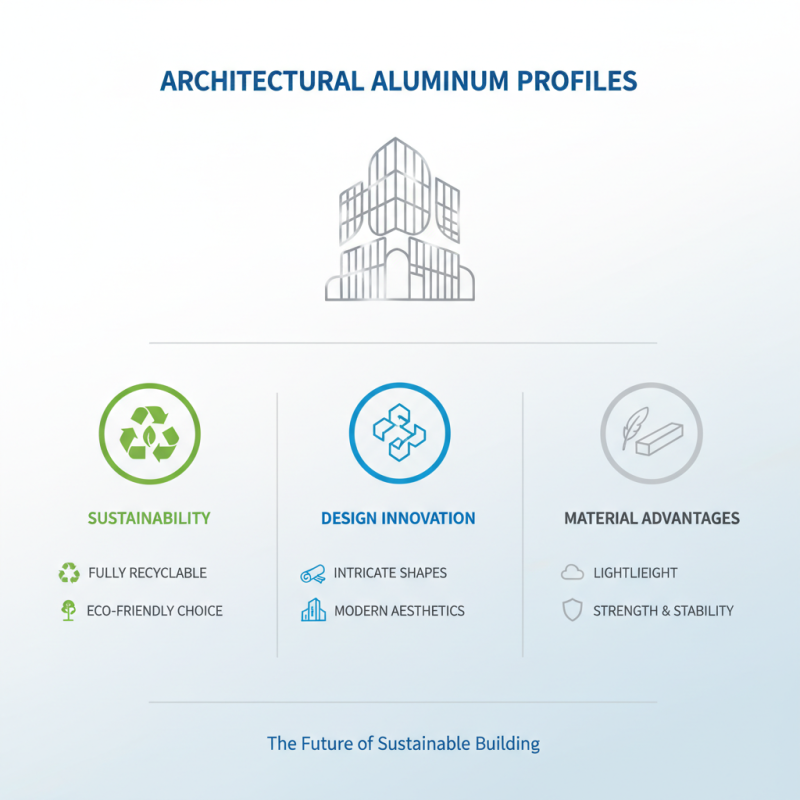
Architectural aluminum profiles are increasingly popular due to their sustainability and design innovations. As a lightweight material, aluminum is fully recyclable. This property makes it an eco-friendly choice for modern architecture. Designers appreciate its ability to create intricate shapes while maintaining strength and stability.
One important aspect is energy efficiency. Aluminum profiles are often used in creating well-insulated facades. This can drastically reduce energy costs for heating and cooling buildings. Investing in high-quality insulation can also enhance the overall lifespan of buildings.
**Tip:** Consider profiles with thermal breaks. They reduce heat transfer, which improves energy efficiency.
Moreover, innovations in surface treatments allow for diverse finishes. Anodizing and powder coating offer durability and aesthetic appeal. Yet, not all finishes are equal; some can wear out faster. It's vital to select based on environmental exposure and maintenance needs.
**Tip:** Regular maintenance can extend the life of aluminum profiles. Simple cleaning can prevent damage from pollutants.
Purchasing aluminum profiles might seem straightforward, but careful consideration is essential. Assessing sustainability and design impact leads to better architectural choices. The right decisions can ensure a balance between aesthetics and environmental responsibility.









 wechat