Top Aluminum Extrusion Tips for Global Buyers How to Choose?
In the world of manufacturing, Aluminum Extrusion plays a crucial role. It is a versatile process that shapes aluminum into desired forms. Many global buyers seek ways to optimize their purchasing experience in this area. Different suppliers offer various quality standards and prices.
Choosing the right Aluminum Extrusion manufacturer can be overwhelming. Buyers often face challenges, such as inconsistent product quality and delivery delays. Understanding these factors is essential for making informed decisions. A reliable supplier should demonstrate expertise in the field and maintain high-quality standards.
When selecting suppliers, consider their experience and reputation. Look for companies with proven track records. Many buyers overlook these details, which can lead to issues down the road. It's important to reflect on previous experiences and learn from them. Making informed choices will ultimately lead to better outcomes in your Aluminum Extrusion projects.
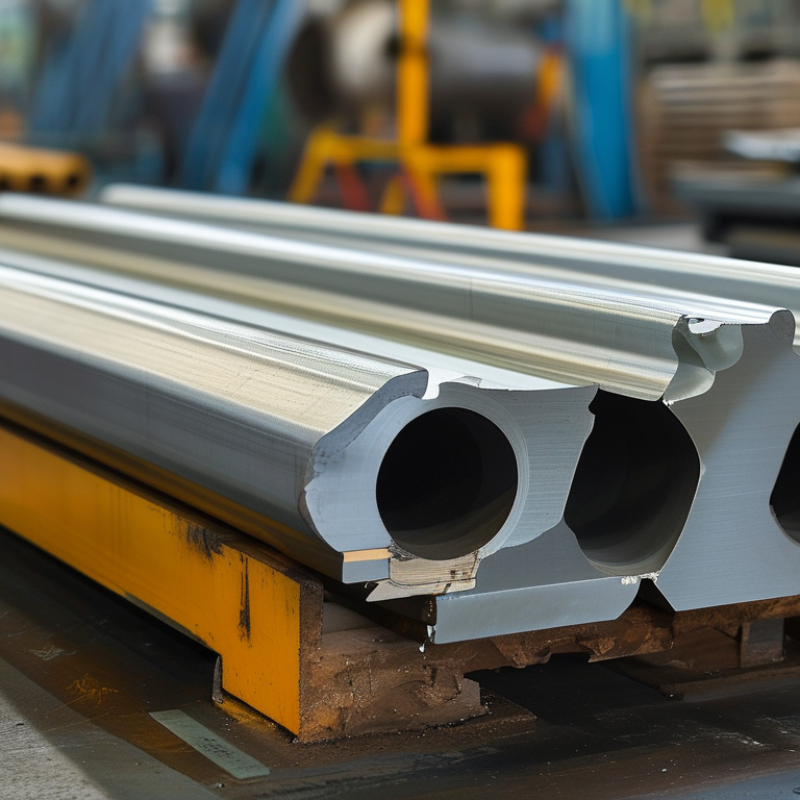
Understanding the Importance of Aluminum Extrusion in Global Markets
Aluminum extrusion plays a vital role in global markets, as it meets diverse industrial needs. According to the International Aluminum Institute, the global aluminum extrusion market is projected to reach 22.8 million tons by 2025. This growth reflects the metal's lightweight properties and strong resistance to corrosion. Industries such as construction, automotive, and aerospace are leading the demand for aluminum extrusions.
The application of aluminum extrusion in building materials, for instance, has significantly increased. In regions like North America, energy-efficient buildings are driving adoption. Reports show that aluminum windows and doors improve efficiency, reducing HVAC loads by 20% to 30%. Moreover, the automotive sector is progressively shifting towards lighter materials to enhance fuel efficiency. Yet, challenges exist. Some manufacturers struggle with maintaining consistent quality during production. This inconsistency can lead to significant waste and cost overruns.
A thorough understanding of technological advancements is crucial. Techniques like heat treatment and surface finishing can enhance aluminum's properties. However, buyers must stay informed about the latest methods to avoid subpar products. The landscape is dynamic, and relying solely on outdated knowledge may lead to poor decisions in procurement. Staying updated with industry standards and innovations ensures reliability in sourcing quality aluminum extrusions.
Top Aluminum Extrusion Tips for Global Buyers How to Choose? - Understanding the Importance of Aluminum Extrusion in Global Markets
| Dimension |
Value |
Importance |
| Alloy Type |
6063 |
Good surface finish, extrudability |
| Wall Thickness |
1.2mm |
Durability and strength balance |
| Length |
6 meters |
Standard shipping size |
| Surface Treatment |
Anodized |
Corrosion resistance and aesthetic appeal |
| Finish |
Brushed |
Enhanced visual texture |
| Application |
Architectural |
Widely used in buildings and structures |
Key Factors to Consider When Selecting Aluminum Extrusion Suppliers
Choosing the right aluminum extrusion supplier is crucial for global buyers. Quality and reliability should be your primary focus. According to a recent industry report by the Aluminum Association, nearly 30% of production defects stem from poor supplier selection. This statistic highlights the importance of comprehensive evaluations.
While assessing suppliers, consider their production capabilities. Look for facilities equipped with advanced technology. Manufacturers using state-of-the-art extrusion presses can achieve more precise dimensions. Precision is vital in achieving the desired specifications for projects. Additionally, experience matters. A supplier with over 10 years in the industry tends to have better insights into varying market needs.
Check for certifications. ISO 9001 is a standard that ensures quality management. A certified supplier is more likely to adhere to consistent quality practices. Furthermore, evaluate their customer service. Prompt communication can mitigate potential issues during the project. Responsiveness is often reflective of a supplier's commitment to clients. Ultimately, thorough research is essential. Rely on industry assessments rather than solely on claims made by suppliers.
Evaluating Quality Standards and Certifications for Aluminum Extrusions
When evaluating aluminum extrusions, quality standards and certifications play a critical role. International standards such as ISO 9001 ensure manufacturers adhere to effective quality management systems. Also, look for certifications like ASTM, which focuses on material performance. These certifications indicate that the product can withstand various environmental conditions.
Understanding the specific requirements for your project is essential. Different industries demand unique standards. For instance, automotive applications may require stricter criteria compared to general construction uses. Be mindful that not all manufacturers might meet these rigorous standards, leading to potential challenges. Quality inspections can help identify inconsistencies early in the process.
Documentation is crucial. Request material certificates and test reports to verify compliance with specifications. A lack of proper documentation may hint at potential quality issues. Establishing a reliable supply chain is vital. Making informed choices can ensure you receive high-quality aluminum extrusions that meet your needs.
Top Aluminum Extrusion Quality Standards Evaluation
Comparing Costs and Lead Times in Global Aluminum Extrusion Purchases
When considering global aluminum extrusion purchases, cost and lead time are critical factors. The cost of aluminum extrusion has shown fluctuations due to various global market trends. Reports indicate that aluminum prices increased by about 15% in the past year due to production disruptions and rising demand. Buyers must understand these dynamics to make informed purchasing decisions.
Lead times can vary significantly across regions. In North America, the average lead time for aluminum extrusions is around 4 to 8 weeks. In contrast, Asian suppliers may deliver products within 3 to 6 weeks. This disparity can impact production schedules. Buyers should factor in these timelines when planning their projects, as delays can disrupt entire supply chains.
It's essential to reflect on the importance of sourcing flexibility. The choice of supplier location can alter both cost and lead times. Risk factors associated with international shipping, tariffs, and local regulations also affect pricing. Buyers should weigh these elements against their specific needs. Balancing cost with timely delivery is often more complex than it appears at first glance.
Exploring Sustainable Practices in Aluminum Extrusion Manufacturing
Sustainable practices in aluminum extrusion manufacturing are crucial. With growing environmental concerns, many manufacturers are adopting eco-friendly techniques. This shift not only helps the planet but also appeals to conscious buyers. Energy efficiency in production is one key aspect. Using renewable energy sources can significantly reduce carbon footprints. Many companies are exploring these avenues.
Tips for global buyers include evaluating suppliers' sustainability practices. Ask about their energy sources, recycling programs, and waste management. A supplier committed to sustainability often reflects a responsible business ethos. Assess certifications that indicate adherence to environmental standards. This ensures you engage with reliable partners.
Another important factor is material sourcing. Consider suppliers who use recycled aluminum. This not only lowers environmental impact but often reduces costs. Track the lifecycle of materials to ensure eco-friendliness. Remember, not all suppliers prioritize sustainability equally. Research thoroughly and reflect on your choices. Making informed decisions can drive positive change in the industry.









 wechat